
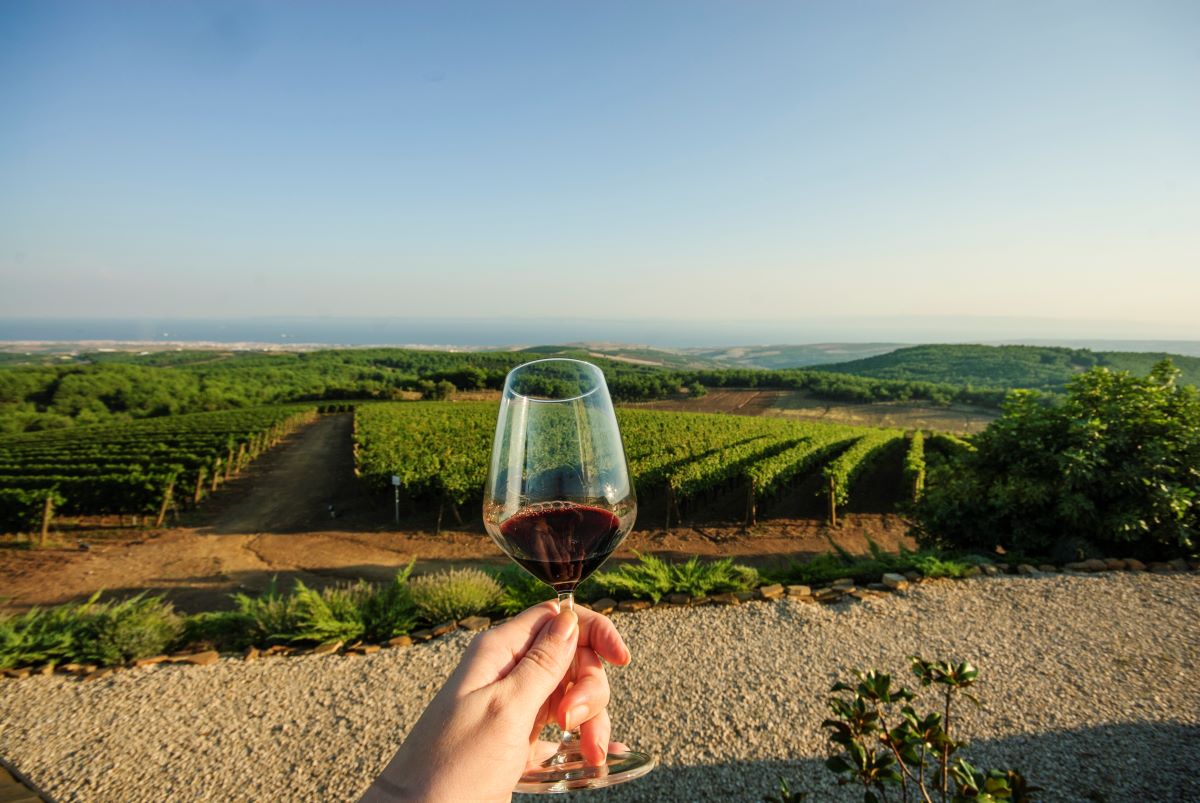
Most people picture Turkey as a land of vibrant bazaars, layered history, and turquoise coastlines. Few realize it is also one of the world’s oldest but most misunderstood wine countries.
Grape cultivation traces its beginnings to eastern Anatolia, and wine has been made here since before history was recorded. Hittites, Assyrians, Phrygians, and other ancient civilizations made their mark on wine long before Greeks and Romans inhabited the country’s vineyards. Here like nowhere else cultures, terroir, and a treasure trove of native grapes blend to create a grand coupage.
Producing high-quality wines almost entirely consumed domestically, Turkish vineyards remain a true insider experience for wine travelers.
Why Haven’t I Had Turkish Wine Before?
Turkey produces around eight million liters of wine annually. Red wine dominates production, but Turkish wineries also craft whites, rosés, amber wines, sparkling wines, sweet wines, and fortified styles. Despite this richness of choice, a mere 3% gets exported. While some is available in the US market, tracking it down is not always easy.
Visiting and Trying the Wines of Turkey
Wine tourism is a relatively nascent industry in Turkey. Many wineries are not regularly open to the public, but visitors who arrange a tasting are often welcomed with warm Turkish hospitality. Renting a car is the best way to get around to the often-far-flung wineries. Thankfully, Google Maps works relatively well in the country.
Alternatively, you can opt to explore urban wine tourism at wine bars in Istanbul, Izmir, Ankara, and other cities. You can also book guided Turkish wine tastings and even excursions into wine country if you don’t want to drive yourself.
Dominant Grape Varieties Produced in Turkey
International grapes have led production numbers since the modern wine industry took root in the 1930s. But the real enticement of the Turkish wine industry lies in the richness of its native grape varieties. Turkey has documented more native grape types than any other country—more than 1,400. It is, in fact, the world’s fifth largest grape producing country.
While international grapes remain popular, more and more wineries are investing in native grapes. The last 20 years have seen a major shift towards resurrecting the country’s lost grapes, with wineries like Paşaeli, Gelveri, Likya, Tasheli, Antioche, and others leading the way.
Despite the new enthusiasm for native grapes, introducing them to the market is a slow process. Only about 90 different grapes are commercially cultivated and used to make wine. The most common that you will see are:
White
- Bornova Misketi
- Emir
- Narince
Black/Red
- Boğazkere
- Çal Karası
- Kalecik Karası
- Karasakız
- Öküzgözü
- Papazkarası
Turkish Wine Grape Varieties of Special Significance
Emir
From the ancient volcanic soils and high elevation of Cappadocia, Emir has the ability to create some of the country’s best white wines. A finicky and difficult to work with grape, Emir demands a specific terroir and does not grow well outside Cappadocia. Wines are always dry and rarely oak aged with racy acidity, a distinct “salty” minerality, and notes of green apples and limes.
Kalecik Karası
Also from Central Anatolia, but closer to Turkey’s capital, Ankara, is Kalecik Karası. It produces medium-bodied red wine that can be made in a variety of styles, from serious oak-aged to traditional method sparkling. Its flavor profile ranges from bright red fruit to earthy notes and it is known for having a distinctive cotton candy aroma.
The Main Wine Regions of Turkey
Turkey has eight rough wine regions and six wine routes, but no appellation system*. While some similarities can be found throughout the regions, their distinct climates, soils, and elevations make for some intriguing wines.
Thrace
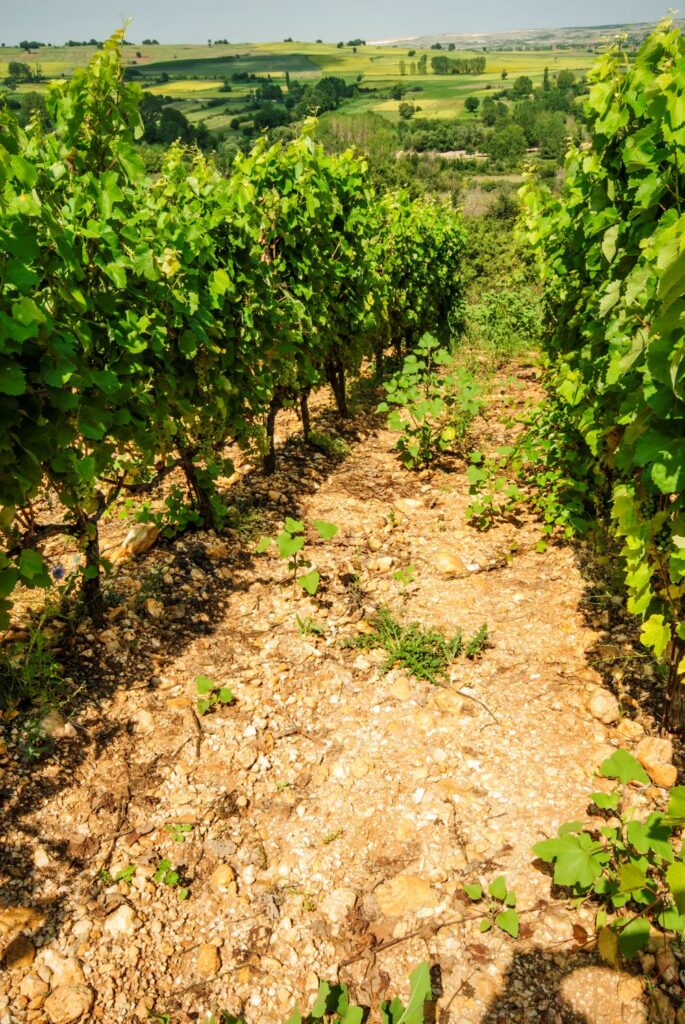
Bordering Greece and Bulgaria is Turkish Thrace. With its cold snowy winters and hot, dry summers, Thrace has a largely continental climate with marine influences from the Black Sea. The main topographical feature is the Strandja Massif. Highly diverse soils including gneiss, shell limestone, clay, sand, chalk, and quartz contribute to the distinctive character of wines from the Kırklareli subregion.
One of Turkey’s wine routes, the Trakya Bağ Yolu runs through Thrace with many member wineries offering onsite restaurants and even hotels to facilitate tourism.
International grapes reign supreme in Thrace, but the regional Papazkarası (also spelled Papaskarası) grape has gained ground. Vineyards are generally old bush vines, preferring the sandy soils of upper Thrace around Edirne. A versatile grape, it produces fruity-savory medium-bodied red wines as well as crisp rosés, blanc de noir, and traditional method sparkling wines.
Marmara
The Marmarawine region lies on both the European and Anatolian sides of the Sea of Marmara and includes the island Avşa. All enjoy milder temperate to coastal climates and take advantage of sea breezes.
Modern vineyards and international grapes abound. However, especially in the Şarköy where Turkish Greek winemakers once grew grapes, old vineyards still produce white native grape varieties like Yapıncak. The Marmara region also includes Turkey’s first ever Geographically Indicated wine region (2025): Avşa Adakarası, made from the Adakarası grape exclusive to the island Avşa.
Aegean
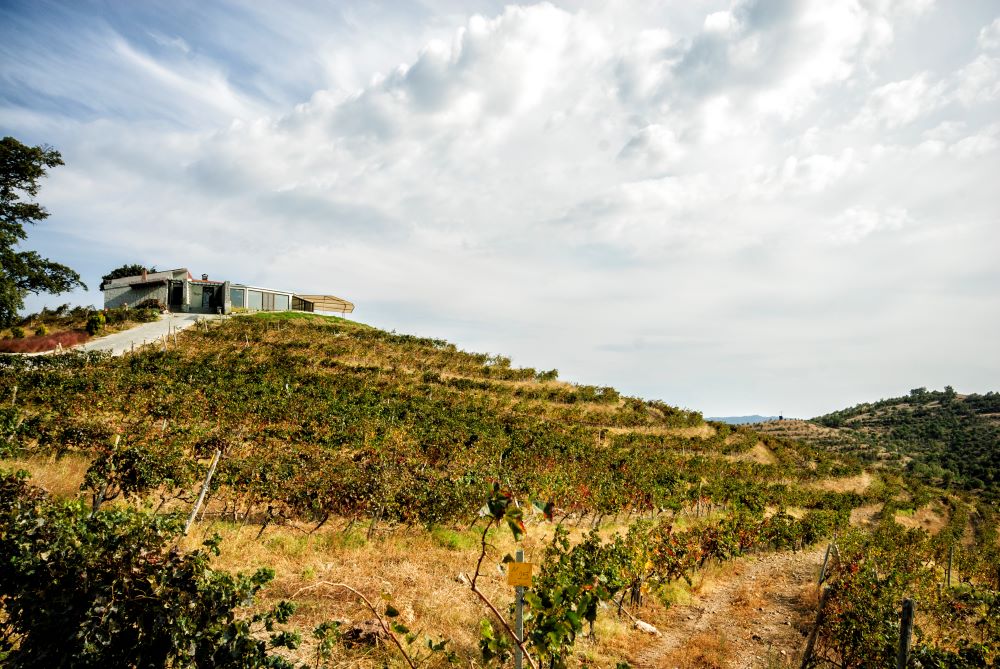
The Aegean region is geographically fractured. The majority sits at the western edge of Anatolia, along the Aegean Sea, but it also includes the Gallipoli Peninsula and the Aegean islands Bozcaada and Gökçeada. While the whole area has a classic Mediterranean climate, diverse soils, elevation (from sea level up to 2,950 feet), and sea influence create a patchwork of mesoclimates.
A number of well-known and rare grapes have emerged from the Aegean including: Bornova Misketi, Çakal, Çal Karası, Karasakız, Osmanca, Sıdalan, and Sultaniye to name a few. This region is also home to five remaining wine routes: Urla Bağ Yolu, İç Ege Bağ Rotası, Güney İzmir, Çal Bağ Yolu, and the newest Lidya Antik Bağ Rotası.
Black Sea
While the most northerly of all Turkish regions, the Black Sea is far from cold. The temperate, marine climate makes this the country’s greenest area. It is home to two of Turkey’s largest agricultural crops: hazelnuts and tea.
It’s still developing as a wine region, currently hosting only three licensed wineries. But the combination of climate and deep, loamy soil make it a promising place for development.
While a smattering of international grapes grows here, the Black Sea produces several native varieties including Narince—the most well-known white grape in Turkey—as well as emerging grapes Dişi Mercan and Merzifon Karası.
Central Anatolia
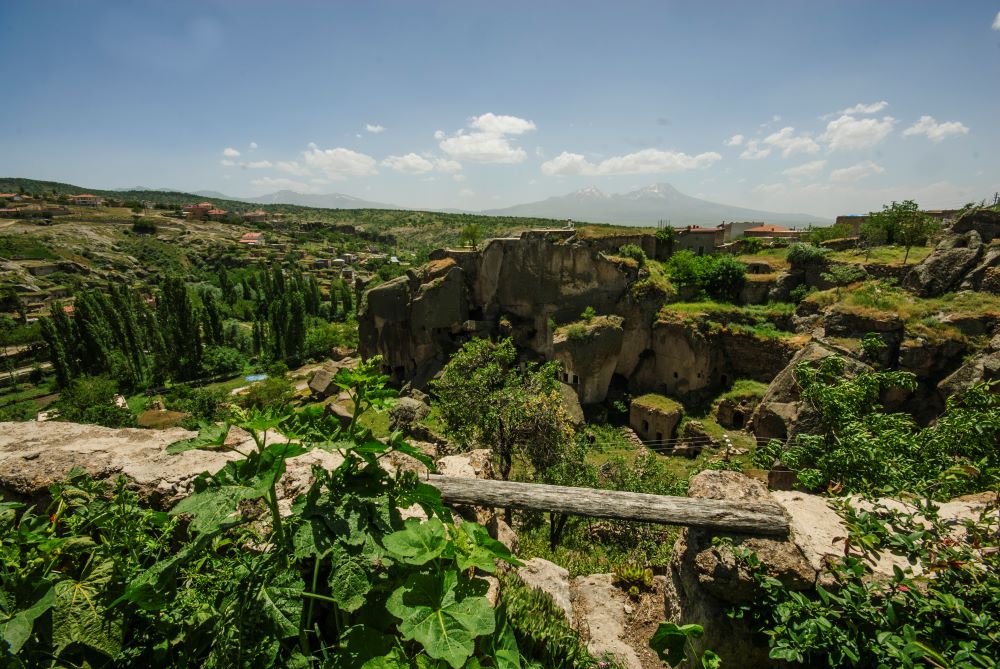
Running from the Turkish capital Ankara to Cappadocia’s famous fairy chimneys is Central Anatolia. True to its name, this land-locked region sits in the center of Turkey. Generally high elevations 3,000 to 4,560 feet and a semi-arid, cold continental climate lead to harsh growing conditions. Nonetheless, two of the country’s greatest grapes, Emir and Kalecik Karası originate here.
The ancient Hittite capital Hattusa sits in Central Anatolia. Viticulture played such a vital role in the Hittite Kingdom (1700 – 1200 BC) that their lands were called “Wiyanawanda”: land of the grapevine. It is from their word for wine, “wiyana” that many modern languages derive their own word for wine.
Mediterranean
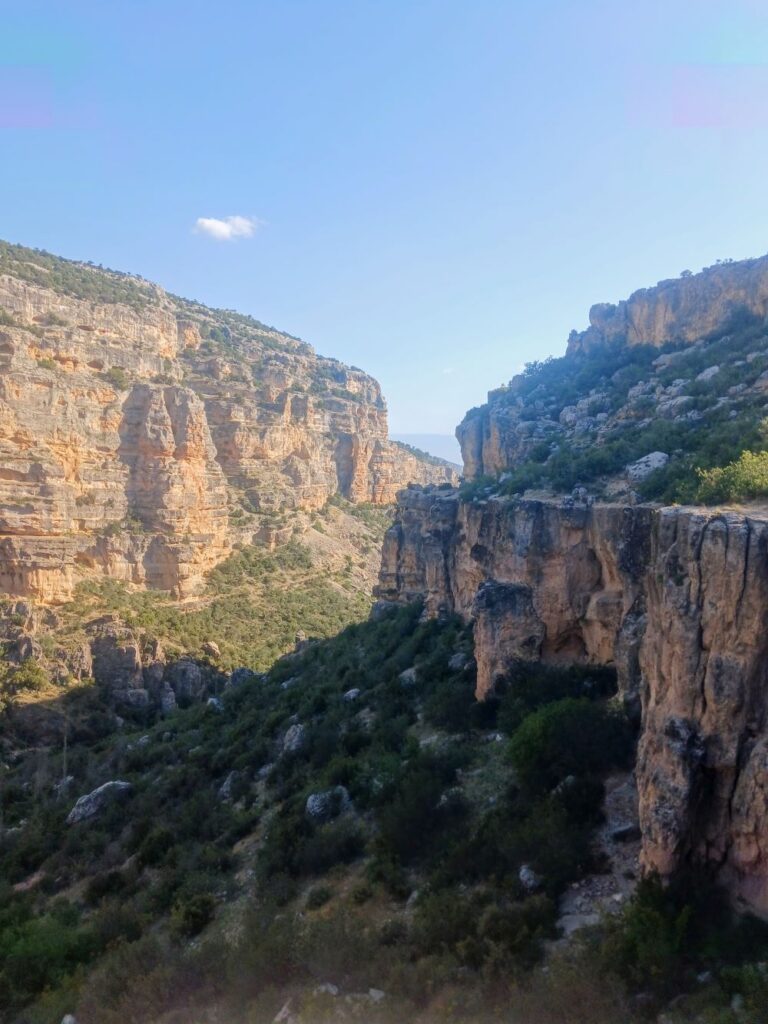
More well-known for Turkey’s Turquoise Coast, the hot Mediterranean climate may seem like an unlikely place for vineyards. The majority of vineyards in this region are not on the beaches though. They sit high above the sea between 1,650 to 5,000 feet in the shell limestone of the Taurus Mountains. These elevations ensure significant day-night temperature shifts, allowing grapes to ripen slowly while maintaining fresh acidity.
Wine history is never far from one’s mind when touring the wineries. Vineyards host ancient wine presses carved into the bedrock of the Taurus Mountains, evidence of thousands of years of viticulture.
While this region includes a relatively small number of wineries spread out along the long Mediterranean coast, the wines coming out of here demonstrate the region’s potential. In fact, native grapes outnumber wineries with many rare varieties such as Acıkara, Fersun, Gök, Patkara, Tilki Kuyruğu. Barburi, Barburi Blanc, and more.
Eastern Anatolia
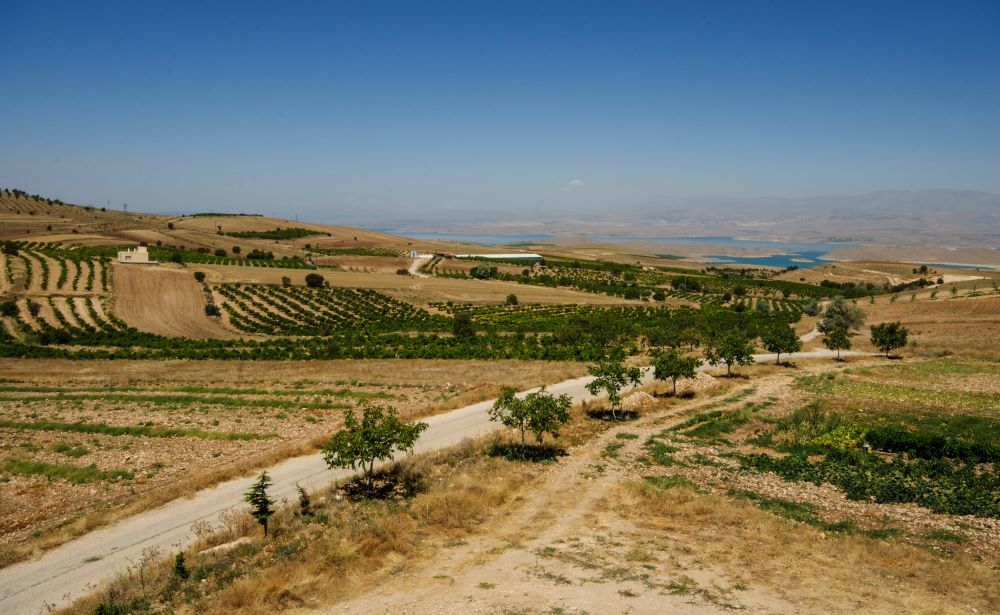
What Eastern Anatolia lacks in winery numbers, it makes up for in fascinating geography, including plains, plateaus, massifs, and dormant volcanoes at the highest average altitude of all Turkey’s regions at 7,200 feet. A firmly continental climate, Eastern Anatolia has long, cold and snowy winters.
Few international varieties grow here, but Turkey’s most popular black grape Öküzgözü hails from Eastern Anatolia. Lesser-known Eastern Anatolian grapes Kösetevek and Erciş Karası have recently begun making a name for themselves.
Southeast Anatolia
One of the smallest regions in terms of wine production, but one of the longest continuously producing is Southeast Anatolia. Bordered by Iraq and Syria, this is one of the most conservatively Muslim areas of the country, but it’s also home to the remnants of the ancient Assyrian people. Historically, Assyrians were one of the civilizations instrumental in early wine production.
Hot and semi-arid, one of Turkey’s key grapes, Boğazkere, comes from one of Southeast Anatolia’s sub-regions while several up-and-coming grapes like Kerküş, Mazrona, and Bilbizeki have emerged.
Frequently Asked Questions about Turkish Wine & Turkish Wine Regions
Yes. Turkey is in fact one of the oldest wine producing countries in the world. Wines are made from international grapes as well many of the country’s 1,400 native grapes. The majority of Turkish wines are consumed domestically and only a small percentage is exported.
There are eight wine-producing regions in Turkey including: Thrace, Marmara, Aegean, Black Sea, Mediterranean, Central Anatolia, Eastern Anatolia, and Southeastern Anatolia. Wildly varying geography and distinct mesoclimates make it difficult to generalize about most of the regions.
One of the largest grape-producing countries in the world, Turkey has recorded over 1,400 unique grape varieties. While less than 100 are used in commercial wine production, most of these grapes can be found only in Turkey.
Turkey does not have an appellation system. While this makes it more difficult as a consumer to assess origin, winemaking styles, and quality, the lack of restrictions has led to a great spirit of adventure and experimentation in wineries.
If you enjoyed this article, consider following Winetraveler on Facebook and LinkedIn to interact with other readers and for wine travel inspiration around the world. Be sure to follow us on both X and Instagram to stay up to date with our trending content.