
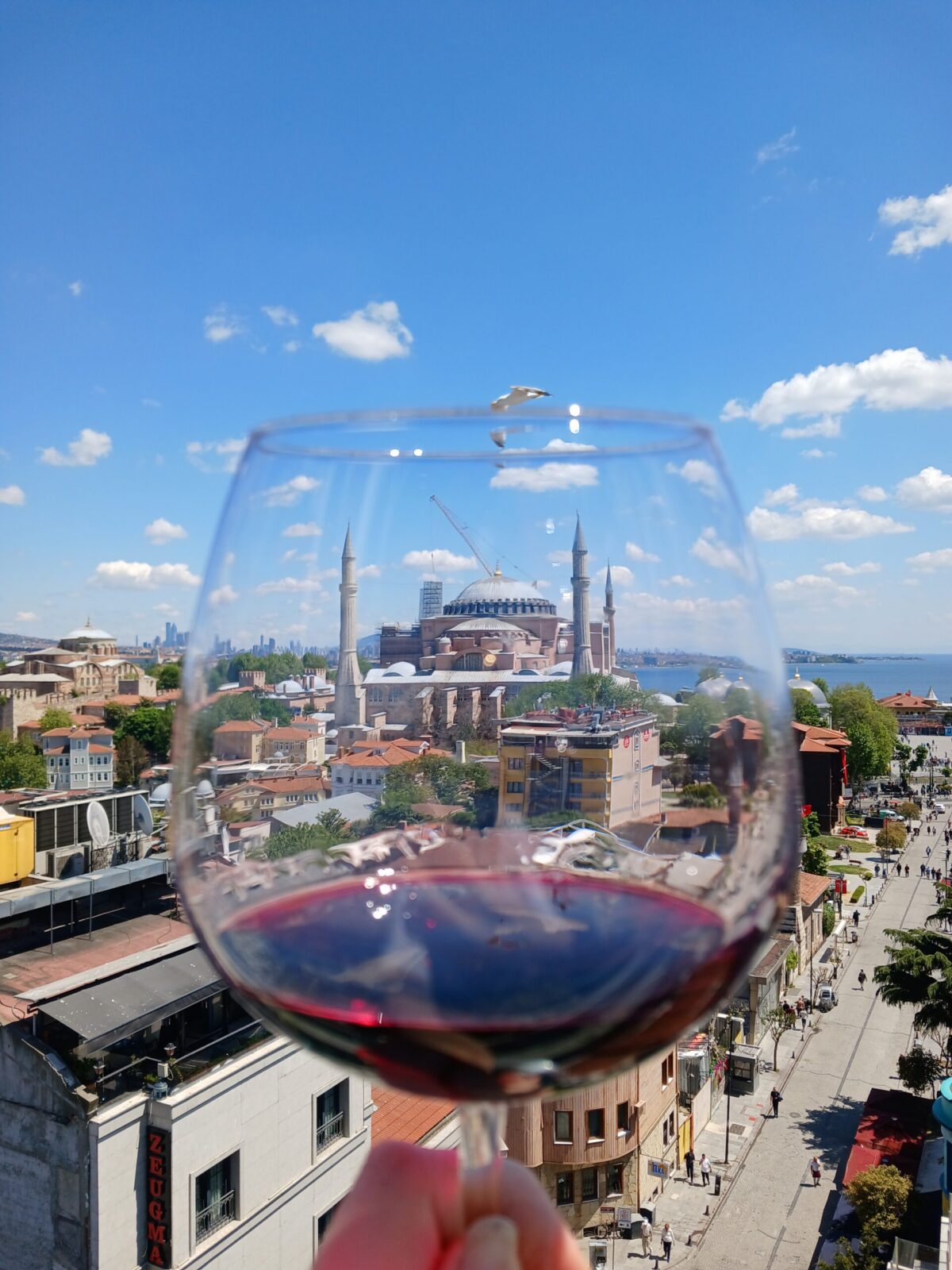
Turkey elicits images of minarets, fezes, kebab, and endless glasses of tea. Visitors have long flocked to Istanbul and beyond to explore the country’s ancient ruins, sandy beaches, and stunning countryside. One thing that many people miss is its wine. Despite being one of the oldest wine producing countries on earth, few have discovered the wines or even had a chance to try them–here’s why.
Turkey Doesn’t Really Export Its Wine

While many think Turkey might be too hot for vines, the truth is that heat is tempered by sometimes stunning elevation across the country. Some vineyards sit as low as 280 feet above sea level, while others soar past 3,000 feet, and in a few cases, climb above 5,500 feet.
The country’s varied soils–everything from granite, clay, limestone, and volcanic tuff–and varied microclimates create a perfect environment for terroir-driven wines. Indeed, the country has a long history of doing just that with viticulture and winemaking stretching back beyond the Greeks and Romans to Hittite, Assyrian, and other ancient empires. However, the economy and cost of wine production, the current political environment, and the dominance of beer and rakı culture keeps wine production low.
Turkey is the world’s fifth-largest grape producer, yet only about 3% of those grapes are used for alcohol production. The vast majority are sold as table grapes or used to make raisins, one of the county’s larger export products. The small amount of wine produced is consumed almost entirely domestically by locals and tourists.
Turkish Wine Discovery Happens Best On the Ground

While yes, a small amount of wine does make it out onto the export market, Turkey is a destination where wine discovery happens best, and often only, on the ground. With more than 1,400 identified endemic grape varieties, Turkey is home to more native grapes than any other country. While maybe only 100 are used in wine production, it still offers grapes and flavors you can’t find anywhere else, making it well worth a trip to discover the wines.
The sprawling metropolis of Istanbul, once home to great hans and taverns where wine flowed freely, is the best place to start your Turkish wine discovery journey. While wine now exists in the background of the call to prayer echoing over the city, Istanbul houses several wine bars like Wayana and Solera that focus on not only Turkish wine, but indigenous grapes. Some of those offer tastings, but guided tastings with local wine experts are also bookable through websites like Viator, Fernwayer, Get Your Guide, TripAdvisor, etc.
If urban wine exploration just won’t do, venturing into wine country doesn’t take much more than a rental car, Google Maps, and maybe Google Translate.
Upper Thrace Is the Best for Those Curious about Native Turkish Grapes
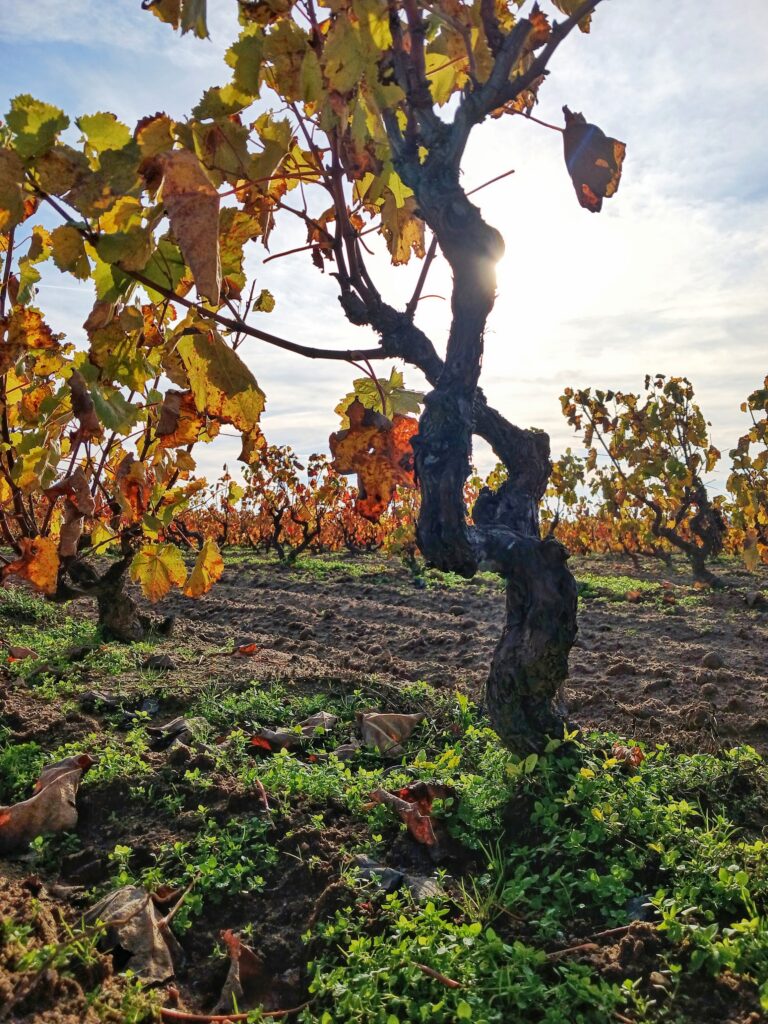
A 90-minute drive gets you to the edge of the nearest wine region, Turkish Thrace. Despite the centuries of winemaking in Thrace, as the most western winemaking region in the country, this is Turkey’s youngest wine region.
Papazkarası, or Papaskarası, is king in this area. This ancient grape has a history going back at least 1,500 years. Meaning “black of the pope”, Papazkarası allegedly earned its name as the favored wine of the Constantinople-based popes of the Byzantine era.
It makes medium-bodied wines that are highly acidic with aromas and flavors of red and black fruits, olives, purple flowers, pepper, and spice. It takes well to oak and, as such, produces a variety of red wines as well as rosés, blanc de noir white wines, and traditional method sparkling wines.
Wine and Tourism Go Hand in Hand
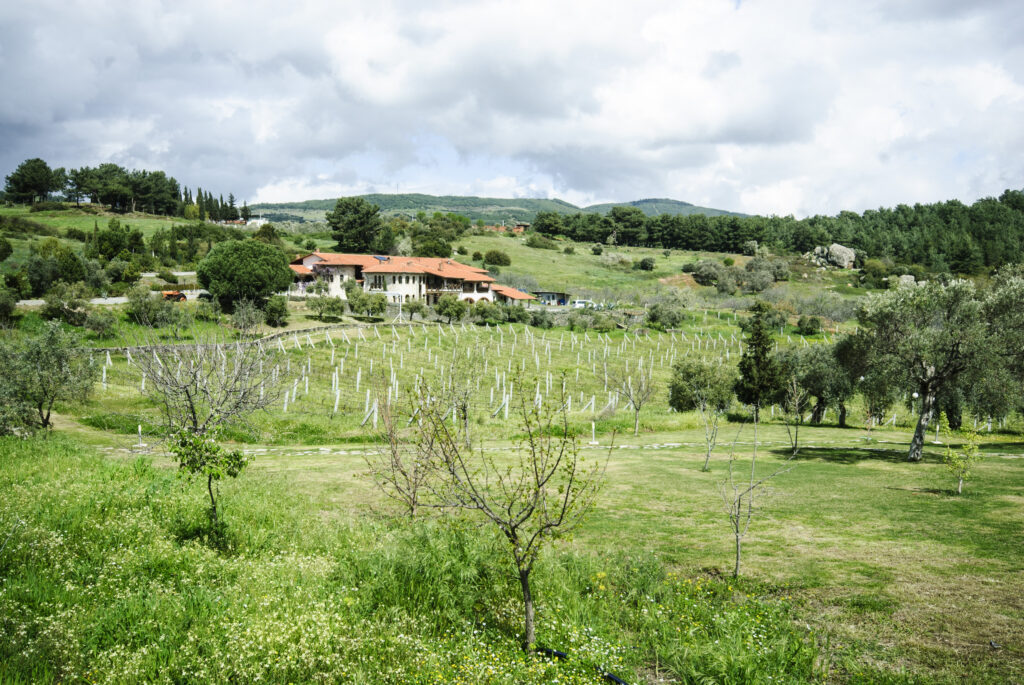
As grape cultivation and civilization developed side by side, combining wine and traditional tourism is often quite easy. Ancient ruins, ports, beaches, and other points of interest are never far from a vineyard.
One of the most famous Greco-Roman sites along the Aegean, Ephesus, is no more than a 10-minute drive from one of Turkey’s most popular winery hotels, 7Bilgeler. A visit and a wine tasting here can easily fit into even a day trip to visit all the sites around Ephesus.
Cappadocia draws millions of tourists every year for its otherworldly landscape and sunrise hot air balloon rides. What many don’t know is that those balloons float above one of the world’s most ancient regions. The high elevation and volcanic soils have hosted vineyards for millenia. Today, tasting rooms in the Cappadocia villages open their doors to tourists, and a stunningly beautiful drive will put you within reach of several wineries that happily welcome visitors.
Tours
If you don’t want the bother of driving yourself, or want to freely imbibe at all the tastings, you can book tours with wine-activity focused companies like Vines & Pearls. These companies offer multiple options including day trips, overnight tours, guided with a wine professional, or even something as simple as a private driver to take you from point A to B.
Don’t Forget to Take Some Home
Unless you happen to live in Texas, where America’s largest Turkish wine importer and shop is based, finding Turkish wine in the US is difficult. Not only is so little exported, but the quality can be inconsistent. Prepare yourself to buy wine while you’re in Turkey. Using wine protectors like Wine Diapers or Jet Bags is a great way to secure bottles in your suitcase. If you don’t bring enough of those, one of the best souvenirs to take home is a Turkish towel and those can be used as additional padding.
If you fly out of the Istanbul Airport (as opposed to the Sabiha Airport), don’t forget to check out Duty Free. The Turkish wine selection in the duty free shops has improved greatly over the past few years. There you get not only a great selection, but also get to avoid the very steep Turkish alcohol taxes.
If you enjoyed this article, consider following Winetraveler on Facebook and LinkedIn to interact with other readers and for wine travel inspiration around the world. Be sure to follow us on both X and Instagram to stay up to date with our trending content.
[…] Continue reading on Winetraveler […]