Wine destination
Malta is perhaps best known for its big-bodied red wines, in addition to its refined and refreshing white wines. Some of the more popular reds include Cabernet Sauvignon, Merlot, Syrah, Grenache and Carignan.
Malta is perhaps best known for its big-bodied red wines, in addition to its refined and refreshing white wines. Some of the more popular reds include Cabernet Sauvignon, Merlot, Syrah, Grenache and Carignan. White wines that are popular include Chardonnay, Sauvignon Blanc and Chenin Blanc.
Malta also has two indigenous grape varieties -- Gellewza and Ghirghentina.
The terroir here is predominantly comprised of limestone soil, in addition to a hot and dry climate.
Malta’s wine identity rests on two grapes found essentially nowhere else: Ġellewża (red) and Girgentina (white), the islands’ only indigenous varieties and, until recently, Malta’s sole registered geographical indications in the EU. Protected wines fall under three appellations administered by Malta’s Agriculture Directorate — DOK Malta, DOK Gozo and the broader IĠT Maltese Islands. Production is genuinely boutique: the total is tiny by any measure, so a visit feels personal, and the oldest houses — Emmanuel Delicata (winemaking roots to 1907) and Marsovin — trace their lineage back more than a century.
Looking for the full list? Our editors’ guide to the 5 best Malta wineries to visit covers each estate in depth — this page is the island overview and planning base.
A few established estates welcome visitors (book ahead — Malta’s estates are small):
RELATED: For a fuller local list, see our guide to the best Malta wineries to visit.
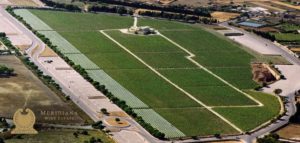
In the Winetraveler winery directory: Meridiana Wine Estate and Emmanuel Delicata — visiting hours, tastings and traveler notes.
Malta’s wine-tour inventory is healthy for such a small country, from full-day estate visits to Valletta tasting experiences:
Malta’s Mediterranean climate keeps the islands mild year-round, but the most atmospheric window is late summer to early autumn: international varieties are picked in August and the indigenous Girgentina and Ġellewża come in later, in September, so an August–September visit can catch the working harvest. The flagship estates cluster on the main island (Meridiana at Ta’ Qali, Marsovin at Marsa, Delicata at Paola), while Gozo estates like Ta’ Mena require a short ferry crossing.
Malta International Airport (MLA), near Luqa, is the only airport and sits about 15 minutes from Valletta; most of the main island’s estates are within a 30-minute drive of it. Distances are small — Malta is roughly 27 km end to end — so a hire car or a taxi covers the wine estates easily, and the flagship wineries at Ta’ Qali, Marsa and Paola can all be reached by bus from Valletta. For Gozo, take the ferry from Ħirkewwa to Mġarr (about 25 minutes, frequent sailings); the Gozo estates are a short drive from the harbour.
Maltese cooking is Mediterranean with Sicilian and North African echoes, and it pairs naturally with the islands’ wines. Try fenek (rabbit, stewed or fried) with a Maltese red blend; ġbejniet (small sheep’s-milk cheeses) and ftira (the ring-shaped bread) with a crisp Girgentina; and in autumn, lampuki (dorado) with a local Chardonnay or Vermentino. Pastizzi — the flaky ricotta or pea pastries sold everywhere — are the classic street snack between tastings.
Compare hotels and vineyard stays across Malta.