Wine destination
Wine is made in all fifty states, but the scale is lopsided: California alone produces about 80 percent of the country's wine, and the United States is divided into roughly 280 federally recognized appellations, or AVAs.…







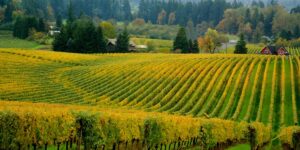




Wine is made in all fifty states, but the scale is lopsided: California alone produces about 80 percent of the country's wine, and the United States is divided into roughly 280 federally recognized appellations, or AVAs. For a traveler, the real choice narrows to a handful of regions.
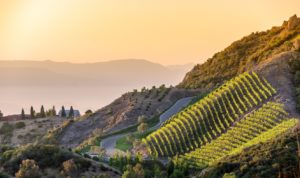
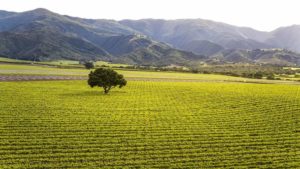
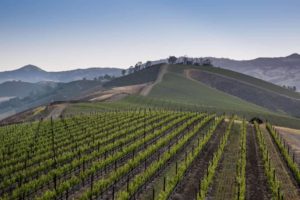
In California, Napa Valley is Cabernet Sauvignon country — the benchmark reds and the most polished tasting-room scene. Neighboring Sonoma trades that gloss for range, with Pinot Noir and Chardonnay in the cool Russian River Valley and old-vine Zinfandel up in Dry Creek. Paso Robles, on the Central Coast, leans on Rhône varieties and Zinfandel; Santa Barbara County, farther south, grows Pinot Noir and Chardonnay in fog-cooled valleys. North in Oregon, the Willamette Valley is single-minded about Pinot Noir. Washington's Columbia Valley and its Walla Walla sub-region turn out Bordeaux-style reds and Syrah from a warm, dry interior.
On the other coast, New York's Finger Lakes makes the country's best Riesling on steep slopes above the lakes, and the rising Eastern and Southern scenes — Virginia, with Viognier and Cabernet Franc, and Texas Hill Country, with Tempranillo and Viognier — are worth watching. Harvest runs the Northern Hemisphere window, roughly August into October depending on latitude and grape, though the tasting rooms pour year-round. The simplest way to read the map is by coast: the West Coast drives volume and reputation, while the East Coast works cooler, in aromatic whites and lighter reds.
Wine is made in all 50 states, but a handful of regions anchor a trip. Dive into our detailed guides:
Landmark wineries that shaped American wine, all open to visitors:
Guided tours run from the gateway cities — San Francisco for Napa and Sonoma, Portland for the Willamette, and around the Finger Lakes: