Wine destination
Portugal packs an unusual amount of wine diversity into a small country. The Douro Valley in the north gave the world Port and now turns out some of Europe's most serious dry reds; the Minho makes crisp, low-alcohol Vinh…
Portugal packs an unusual amount of wine diversity into a small country. The Douro Valley in the north gave the world Port and now turns out some of Europe's most serious dry reds; the Minho makes crisp, low-alcohol Vinho Verde; and the warm Alentejo in the south produces ripe, approachable reds at scale. Inland, Dão and Bairrada round out the mainland's serious regions.
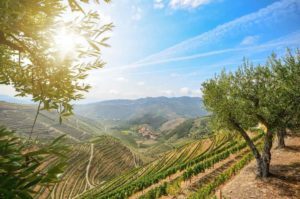
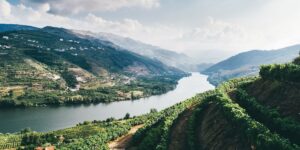
What sets Portugal apart is its grapes. Rather than lean on international varieties, its winemakers work largely with native ones — Touriga Nacional, Touriga Franca and Tinta Roriz for reds, Alvarinho and Arinto for whites — which is why Portuguese wine tastes like nowhere else. The Douro's terraced vineyards, carved into schist above the river, are a UNESCO World Heritage Site and among the most dramatic wine landscapes anywhere.
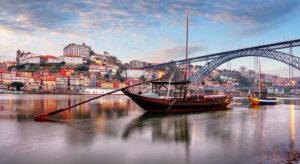
For travelers, Portugal is compact and welcoming: Porto is the gateway to the Douro, Lisbon puts you within reach of several regions, and quintas — wine estates — increasingly offer tastings, stays and river cruises.
Portugal’s Douro is the oldest demarcated and regulated wine region in the world, established in 1756 — a claim its official regulator, the IVDP, still makes today. The country built its fame on Port, the fortified wine aged in the lodges of Vila Nova de Gaia, but its lasting distinction is its native grapes: Touriga Nacional, Touriga Franca and Tinta Roriz for reds, Alvarinho and Arinto for whites. The Douro’s schist terraces above the river are a UNESCO World Heritage Site, among the most dramatic wine landscapes anywhere.
Portugal packs remarkable diversity into a small country:
Historic estates and Port lodges open to visitors (many by appointment):
The classic day out is a Douro Valley tour from Porto, usually combining two quintas, lunch and a river cruise; Lisbon opens up the southern regions:
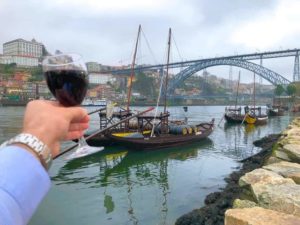
The vindima (grape harvest) runs roughly mid-September to mid-October, when working quintas open for picking and foot-treading and the terraces turn from summer green to autumn flame. The Port lodges are concentrated in Vila Nova de Gaia across from Porto, while the vineyards and estates lie upriver in the Douro Valley itself — reachable by road, train, or river cruise. Some estates require prior appointment.