
← Part of the Spain wine region guide
Spanish Cheese and Wine Make for Perfect Party Starters
Imagine hosting a tapas night that transports you and your friends straight to a bustling bodega in Barcelona or a cozy café in Madrid. The secret to recreating this authentic Spanish experience lies in the details: the rich flavors, the cultural nuances, and most importantly, the perfect pairing of Spanish cheeses with exquisite wines.
Spanish cheeses shine brightest alongside Spanish wines: aged sheep's-milk cheeses love Tempranillo-based Rioja, Cava's bubbles cut through a whole board, and oxidative sherries handle the pungent extremes like Cabrales. The same-terroir logic rarely fails.
Spanish Cheese & Wine Pairings at a Glance
| Food | Recommended Wine | Why It Works |
|---|---|---|
| Manchego (aged, sheep's milk, La Mancha) | Rioja Reserva (Tempranillo, oak-aged) | The cheese's nutty richness and firm fat mirror Tempranillo's dried-cherry fruit and vanilla oak; tannin scrubs the fat while both share an earthy backbone |
| Idiazábal (smoked, sheep's milk, Basque) | Garnacha (Campo de Borja/Navarra, ripe red) | Garnacha's ripe red-berry fruit and soft, low-tannin structure carry the cheese's assertive smoke without a tannin clash; warmth echoes the cured character |
| Mahón (cow's milk, Menorca) | Cava Brut (Macabeo/Xarel·lo/Parellada) | Mahón's salty tang is lifted by Cava's acidity and CO2 scrub, resetting the palate; the wine's citrus-apple fruit balances the saline bite |
| Cabrales (raw-milk blue, Asturias) | Pedro Ximénez or Oloroso sherry | Intense salt and pungent mold need a wine that won't be flattened: PX's syrupy sweetness counterbalances the salt-and-funk — a classic sweet-vs-savory tension |
| Tetilla (soft cow's milk, Galicia) | Albariño (Rías Baixas) | Pairs by refreshment: Albariño's zesty acidity and saline minerality cut the cream and echo the cheese's gentle lactic tang without overpowering it |
| Garrotxa (aged goat's milk, Catalonia) | Verdejo (Rueda) or Godello | The goat cheese's herbal, hazelnut notes align with Verdejo's crisp acidity and citrus; acidity cleanses the coating fat while minerality mirrors the earthiness |
| Torta del Casar (raw sheep's milk, runny) | Cava or a mineral Godello | This gooey, savory, slightly bitter cheese is fat-heavy; sparkling acidity and bubbles cut the richness and cleanse the palate, keeping the pairing bright |
| Roncal (firm aged sheep's milk, Navarra) | Navarra Tempranillo-Garnacha blend | A dense, piquant sheep's cheese meets a medium-bodied regional red: shared terroir, moderate tannin to cut fat, and red fruit for the nutty depth |
| Mixed cheese board (soft to aged) | Cava Brut / Brut Nature | Bubbles and racy acidity are the universal board solvent: CO2 and acid scrub fat and salt across every style, so one glass bridges creamy, hard, smoked and blue |
| Aged Manchego Viejo / hard sheep's cheese (12+ mo) | Amontillado or dry Oloroso sherry | Long-aged cheese develops crystalline, umami intensity that oxidative sherry matches note-for-note: dry nuttiness and saline tang meet the savory depth |
| Valdeón (Castilla y León blue) | Pedro Ximénez sherry | Like Cabrales, this rustic blue is salty and sharp; PX's raisin-fig sweetness tames the pungency, the textbook sweet-wine-with-blue-cheese contrast |
Tapas are more than just appetizers; they are a culinary tradition deeply rooted in Spanish culture, designed to encourage conversation, extend meals, and of course, complement the local wines.
RELATED: Visit These Exquisite Tapas & Wine Bars During Your Next Visit to Madrid
Choosing the right cheese and wine can elevate your tapas night from a casual get-together to an unforgettable gastronomic adventure. Spain offers a treasure trove of cheeses, each with its own unique texture, flavor, and history. When paired with the right wine, these cheeses can truly shine, creating a harmonious balance that tantalizes the palate and enriches the dining experience.
This guide aims to introduce you to the top five Spanish cheeses that are not only delectable on their own but also make perfect companions to a variety of Spanish wines. So, let’s embark on this flavorful journey and make your next tapas night a true Spanish fiesta.
- Spanish Cheese and Wine Make for Perfect Party Starters
- Spanish Cheese & Wine Pairings at a Glance
- The Basics of Pairing Spanish Cheese with Wine
- Five Best Spanish Cheeses to Pair with Wine
- Understanding Spain's Protected Designations of Origins for Cheese
- More Interesting Facts about Spanish Cheese, Wine & Culture
- Make Your Next Tapas Night Unforgettable
- Frequently Asked Questions
- Related Wine-Pairing Guides
The Basics of Pairing Spanish Cheese with Wine
When it comes to the art of pairing cheese and wine, the possibilities may seem endless, but a few guiding principles can make the process not only easier but also more rewarding. The key elements to consider are texture, flavor intensity, and regional affinity. Texturally, a hard, aged cheese like Manchego pairs well with a robust red wine, while a creamy, soft cheese like Tetilla might be better suited for a lighter, crisper white wine. The intensity of the cheese’s flavor should also match that of the wine; a mild cheese can be overwhelmed by a strong wine, and vice versa.
RELATED: The Ultimate Wine & Cheese Pairing Guide: This Cheese, That Wine
Regional affinity is another important aspect to consider. Often, cheeses and wines that come from the same region pair well together. This is not just a matter of tradition but also of terroir—the unique combination of climate, soil, and other environmental factors that give both wine and cheese their distinctive flavors. For instance, a smoky Idiazabal from the Basque Country might pair wonderfully with a local red wine from the same region.
Five Best Spanish Cheeses to Pair with Wine
Manchego
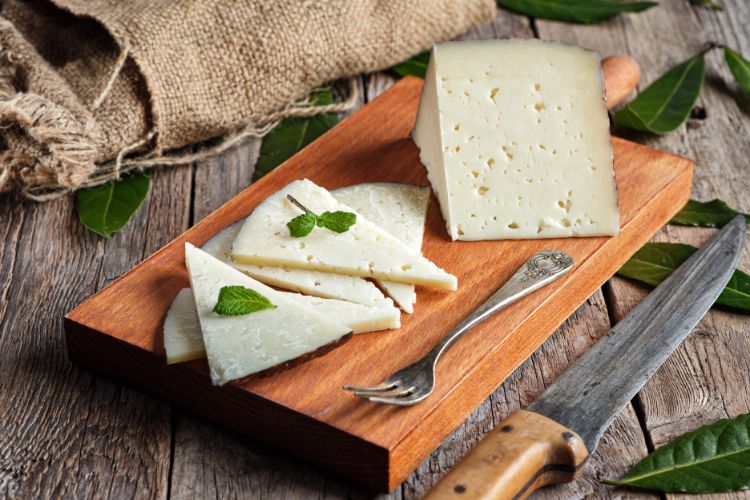
Manchego is perhaps the most iconic of all Spanish cheeses, hailing from the La Mancha region, the land of Don Quixote. Made from sheep’s milk, its nutty and crumbly texture makes it incredibly versatile for pairing with a variety of wines and foods. It’s a cheese that embodies the essence of Spanish gastronomy, making it a must-have on any tapas night.
Fun Fact: Manchego cheese is aged for different periods, and each aging period gives it a distinct flavor profile, ranging from semi-curado (mild) to curado (more intense) to viejo (most intense).
Our Picks for Best Manchego Wine Pairings
- Tempranillo: The robust, fruity flavors of Tempranillo can stand up to Manchego’s nutty and crumbly texture, creating a harmonious balance.
- Cava: Yes, sparkling wine can also work here. The effervescence of Cava cuts through the richness of Manchego, offering a refreshing contrast.
RELATED: Try These Sparkling Wines from Around the World
Manchego-based Tapas Ideas
- Manchego cubes with quince paste
- Sliced Manchego with marcona almonds and a drizzle of honey
- Manchego and jamón ibérico roll-ups
Cabrales
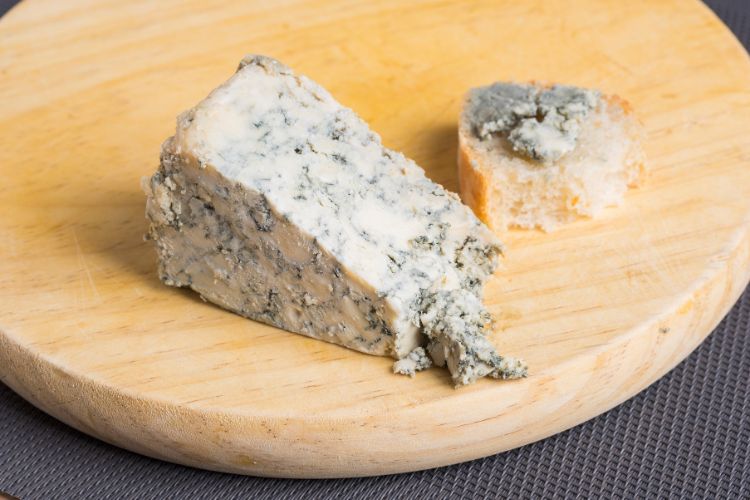
Cabrales is a blue cheese that comes from the rugged landscapes of Asturias. Known for its bold, spicy, and complex flavors, it’s a cheese that commands attention. It’s not for the faint-hearted but offers a rich, multi-layered experience for those who appreciate intense cheeses.
Fun Fact: Cabrales is often aged in natural caves to develop its unique mold and strong flavor.
Our Picks for Best Cabrales Wine Pairings
- Sweet Sherry: The sweetness of Sherry can mellow out the strong, spicy flavors of Cabrales. Note that not all Sherry is sweet, learn more about Sherry with our detailed guide.
- Ribera del Duero: Full-bodied reds from Ribera del Duero can complement the intensity of this blue cheese.
RELATED: Ribera del Duero Wine Region: Visitor’s Travel Guide
Cabrales-based Tapas Ideas
- Cabrales on crusty bread with a drizzle of honey
- Cabrales-stuffed dates wrapped in bacon
- Cabrales and walnut-stuffed piquillo peppers
Mahón
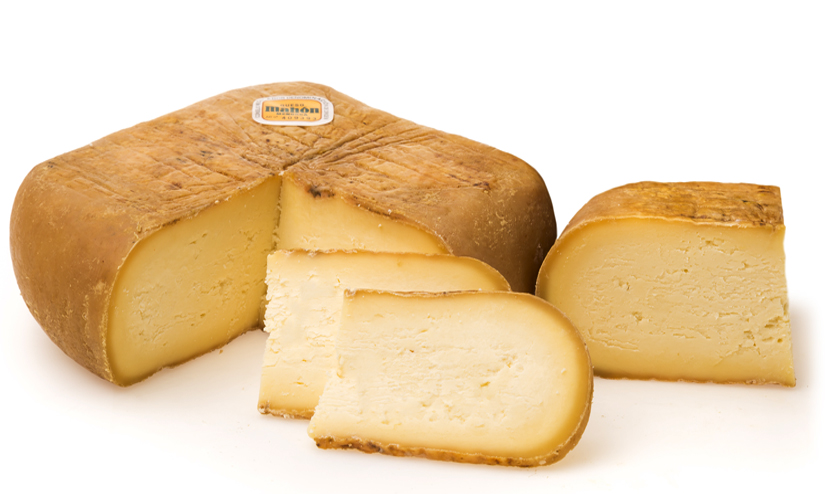
Mahón is a cow’s milk cheese from the island of Menorca, one of Spain’s Balearic Islands. Its buttery, tangy, and slightly salty profile makes it a versatile choice for a range of tapas dishes. The cheese is often sold in a distinctive square shape, adding a unique visual element to your tapas spread.
Fun Fact: Mahón cheese can be rubbed with paprika or oil, giving it an additional layer of flavor and a distinctive orange rind.
Our Picks for Best Mahón Wine Pairings
- Albariño: The crisp acidity of Albariño pairs well with the buttery texture of Mahón.
- Verdejo: The herbal notes in Verdejo can complement the tanginess of Mahón.
Mahón-based Tapas Ideas
- Mahón with fig jam on a toasted baguette
- Sliced Mahón with pear and arugula salad
- Mahón and chorizo skewers
Idiazabal
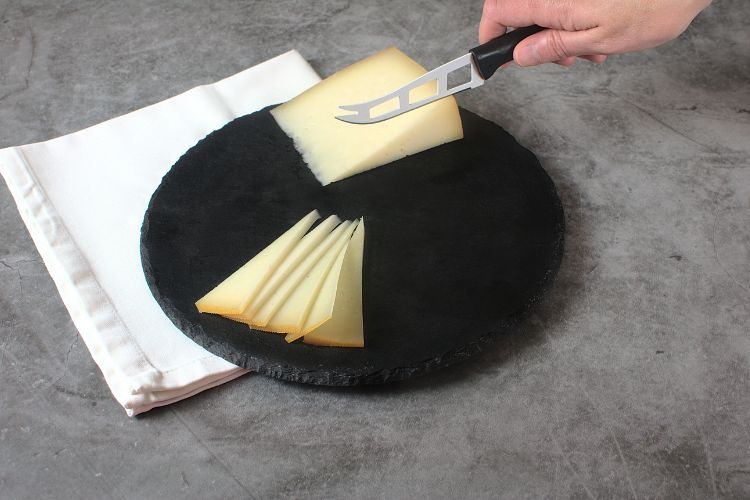
Idiazabal is a sheep’s milk cheese that originates from the Basque Country and Navarre. Its smoky, nutty, and firm characteristics make it a hit for those looking for a cheese with a bit of an edge. It’s particularly good for grilling, adding another dimension to your tapas night.
Fun Fact: Idiazabal is often smoked over beechwood, hawthorn, or cherry wood, which contributes to its distinctive smoky flavor.
Our Picks for Best Idiazabal Wine Pairings
- Rioja: The balanced tannins in Rioja can complement the smoky and nutty flavors of Idiazabal.
- Garnacha: The fruit-forward profile of Garnacha offers a nice counterpoint to Idiazabal’s smokiness.
RELATED: These are the Best Wineries in Rioja to Visit
Idiazabal-based Tapas Ideas
- Grilled Idiazabal with roasted peppers
- Idiazabal and chorizo on a skewer
- Idiazabal with black olive tapenade on crusty bread
Tetilla
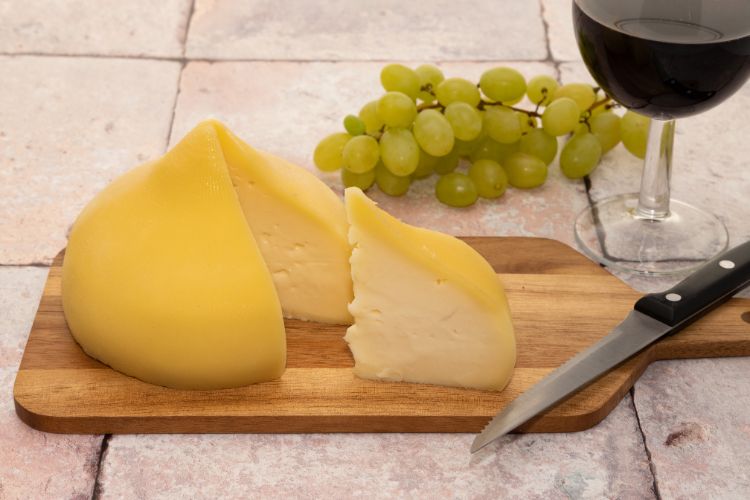
Tetilla is a cow’s milk cheese from the Galicia region of Spain, known for its distinctive breast-like shape from which it gets its name (“Tetilla” means “small breast” in Spanish). It has a creamy, mild, and slightly sweet profile, making it an excellent choice for those who prefer a less intense cheese. Its soft texture and subtle flavor make it a versatile addition to any tapas spread.
Fun Fact: Tetilla was one of the first Spanish cheeses to receive a Protected Designation of Origin (PDO) status, ensuring that the cheese is produced, processed, and prepared in Galicia.
Our Picks for Best Tetilla Wine Pairings
- Godello: The light, floral notes of Godello work well with the creamy and mild characteristics of Tetilla.
- Cava: The bubbles in Cava offer a delightful contrast to Tetilla’s creamy texture, making for a refreshing pairing.
Tetilla-based Tapas Ideas
- Tetilla cheese melted over boiled potatoes with a sprinkle of paprika
- Tetilla and green olive skewers
- Tetilla with membrillo (quince paste) on a cracker
Understanding Spain’s Protected Designations of Origins for Cheese
Spain takes the quality and origin of its food and wine seriously, employing a system of Protected Designations of Origin (PDOs) to ensure that products meet strict criteria related to their geographical origin and production methods. Known as “Denominación de Origen Protegida” (DOP) in Spanish, this system is similar to the classification system used for wine regions.
Just as wines like Rioja and Ribera del Duero have specific PDOs that dictate everything from grape variety to aging process, cheeses such as Manchego, Cabrales, and Tetilla also have PDO status. To earn this designation, the cheese must be produced, processed, and prepared in a specific region and adhere to traditional methods and quality standards. One key difference between the two systems is that while wine PDOs often specify the aging process (like Crianza, Reserva, and Gran Reserva for Rioja wines), cheese PDOs may focus more on the type of milk used and the specific production techniques. Both systems aim to protect the reputation of the regional foods, promote rural and agricultural activity, and provide a guarantee of quality for the consumer.
More Interesting Facts about Spanish Cheese, Wine & Culture
The Concept of “Sobremesa”
“Sobremesa” is a uniquely Spanish tradition that doesn’t have a direct translation in English. It refers to the time spent lingering at the table after a meal, engaging in conversation, and often enjoying more wine and cheese. In Spain, meals are not just about food; they are social events that provide an opportunity for family and friends to catch up, discuss life, and share experiences. Sobremesa is a testament to the Spanish emphasis on enjoying the good things in life at a leisurely pace.
The Influence of Moorish Cuisine on Spanish Cheese
One lesser-known fact about Spanish cheese is the influence of Moorish cuisine, especially in the southern regions of Spain. The Moors ruled parts of Spain for nearly 800 years, and their culinary traditions have left an indelible mark. For example, the use of spices like cumin and coriander in some Spanish cheeses can be traced back to Moorish influence. This adds another layer of complexity and history to the already rich story of Spanish cheese-making.
Make Your Next Tapas Night Unforgettable
Spain’s culinary traditions are steeped in a culture of sharing and enjoyment, and there’s no better way to honor that than by hosting your own tapas night. Don’t be afraid to mix and match, to experiment with new combinations, and to step outside of your comfort zone.
Whether you’re a seasoned connoisseur or a curious beginner, the world of Spanish cheese and wine offers a playground for your palate. So go ahead, uncork that bottle of Ribera del Duero or slice into a fresh wheel of Tetilla—your perfect pairing is waiting to be discovered.
How to Pair Spanish Cheese & Wine Pairings
- Default to Spanish reds for aged sheep's-milk cheeses: Tempranillo-based Rioja and Navarra reds have the tannin, oak and fruit to match Manchego and Roncal.
- When in doubt over a whole board, pour Cava — its bubbles and acidity scrub fat and salt across every style, the most versatile board wine.
- Fight pungent blues with sweetness or oxidation: Cabrales and Valdeón need Pedro Ximénez or Oloroso sherry, where sugar and concentration counterbalance salt and funk.
- Lean on acidity to cut fat: crisp whites like Albariño, Verdejo and Godello refresh against creamy oily cheeses (Tetilla, Torta del Casar).
- Follow same-terroir logic — a cheese and wine from the same region usually harmonize (Galician Tetilla + Albariño; Basque Idiazábal + Navarra Garnacha).
- Match intensity: mild cheeses want light fresh wines; aged umami-heavy cheeses stand up to oxidative sherries like Amontillado and Oloroso.
Frequently Asked Questions
What wine goes best with Manchego cheese?
Aged Manchego pairs classically with Tempranillo-based Rioja, especially a Reserva. The wine's dried-cherry fruit, vanilla oak and moderate tannin cut the cheese's firm fat while echoing its nutty richness. Both come from central Spain, reinforcing the match.
Does Cava pair well with cheese?
Yes — Cava is one of the most versatile cheese wines. Its acidity and carbonation scrub fat and salt, letting it bridge creamy, hard, smoked and blue cheeses on one board. Brut or Brut Nature styles keep the pairing crisp rather than sweet.
What wine pairs with Spanish blue cheeses like Cabrales?
Sweet or oxidative sherry is the answer. Pedro Ximénez brings syrupy raisin-fig sweetness that counterbalances Cabrales' salt and pungent mold, while dry Oloroso offers nutty concentration. The sweet-versus-savory contrast keeps neither side harsh.
Should I serve Spanish cheese with red or white wine?
It depends on the cheese. Aged sheep's-milk cheeses like Manchego and Roncal favor Tempranillo and Garnacha reds, while creamy tangy cheeses such as Tetilla and Torta del Casar shine with crisp whites like Albariño and Godello. Cava works across the board.
What is the best wine for a Spanish tapas cheese board?
Cava Brut is the safest single choice — its bubbles and acidity handle every style. If you prefer reds, a young Rioja or Garnacha covers most aged cheeses, and a small glass of Oloroso or PX sherry handles the blues and hardest cheeses.
Why do Spanish cheeses and Spanish wines pair so well?
Because they evolved together within the same food culture, so their intensities complement local cooking. Practical mechanisms back it up: tannin and acidity cut fat, bubbles cleanse salt, and sweet sherries tame pungent blues.


Collect your Winetraveler passport — tap the regions & grapes you’ve tasted. Your stamps follow you across the whole site.
- Curious1 stamps
- Explorer3 stamps
- Connoisseur6 stamps
- Sommelier12 stamps
- Vigneron20 stamps
Your stamps are saved on this device.