
Wine and Cheese Pairing Tips for Different Kinds of Wine
Is there anything more classic than a wine and cheese pairing? They’re natural partners for each other and they’re the perfect way to start a meal, end a meal, or just have a snack. Despite popular belief, however, not every wine and cheese pairs well together. The best pairings balance out the acidity, weight, boldness of flavor, and saltiness or sweetness, while the worst pairings can leave bitter, acrid tastes in our mouths.
The most reliable wine-and-cheese pairings favor high-acid or sweet wines over big reds: acidity and bubbles cut fat, sweetness balances salty blues, and matching intensity keeps neither element from overpowering the other.
Wine & Cheese Pairings at a Glance
| Food | Recommended Wine | Why It Works |
|---|---|---|
| Fresh goat / chèvre (Crottin de Chavignol) | Sauvignon Blanc, dry (Sancerre) | The wine's bracing acidity mirrors the cheese's tangy lactic acidity, while grassy notes echo the chèvre's fresh, chalky character |
| Fresh mozzarella / burrata | Vermentino or Pinot Grigio, light dry white | A crisp, delicate white with lively acidity cuts the milky richness without overwhelming the mild, creamy flavor |
| Bloomy brie | Champagne / dry sparkling | Bubbles and high acidity scrub the fatty, buttery paste from the palate, cleansing between bites |
| Bloomy camembert | Chardonnay, unoaked to lightly oaked | A fuller-bodied white matches the cheese's earthy, mushroomy weight; rounder texture complements the buttery interior |
| Washed-rind (Taleggio, Époisses) | Gewürztraminer or Alsatian Pinot Gris (aromatic off-dry) | An aromatic, slightly sweet white whose floral intensity and touch of sugar stand up to and tame the pungent rind |
| Hard aged cheddar | Cabernet Sauvignon, full-bodied red | Firm tannins and bold dark fruit have the structure to match the sharp, savory intensity of aged cheddar |
| Aged Gouda | Tawny Port or Madeira | The wine's oxidative caramel, toffee and nutty notes echo the butterscotch sweetness and crunchy crystals of long-aged Gouda |
| Parmigiano-Reggiano | Lambrusco (dry frizzante) or Sangiovese | Frizzante acidity and light bubbles cut the salty, umami richness; the Emilia-Romagna regional match balances savory crystals against fresh fruit |
| Blue — Roquefort | Sauternes, botrytized sweet (Sémillon) | The textbook sweet-versus-salty contrast: honeyed sweetness balances the piercing salt and coats the palate against the pepper |
| Blue — Stilton | Vintage or Tawny Port | Port's rich sweetness and warming alcohol counter Stilton's salty, pungent intensity — the traditional British pairing |
| Alpine (Gruyère, Comté) | Jura Chardonnay / Vin Jaune or dry Riesling | Nutty, oxidative, savory whites mirror the cheese's toasted-nut and brothy flavors — Comté with Jura wine is the definitive match |
| Sheep's milk (Manchego, Pecorino) | Tempranillo (Rioja) or Sangiovese (Chianti) | A savory, moderately tannic red echoes the nutty, salty depth of aged sheep's milk; same-terroir regional logic |
In general, we love to explore the adage of “if it grows together, it goes together” by pairing wines with cheeses from the same area, but there are always delightful exceptions to try! Here, we explore the most popular wine styles and the cheeses that work best together.
How to Best Pair Wine with Cheese
Quick Rules for Pairing Wine and Cheese
- White wine usually beats red: high-acid, aromatic whites flatter more cheeses, while red tannins clash with many creamy, salty, or funky styles and can taste metallic.
- Use acidity to cut fat: crisp whites and sparkling refresh the palate against rich, buttery cheeses, resetting taste between bites.
- Pair sweet wine with blue cheese: honeyed, botrytized, or fortified sweetness (Sauternes, Port) balances the salt and piquancy of blues better than anything dry.
- Match intensity to intensity: delicate fresh cheeses want light wines; bold, aged, or pungent cheeses want fuller, assertive wines.
- Follow regional logic — what grows together goes together: Sancerre with chèvre, Comté with Jura wine, Manchego with Rioja, Parmigiano with Lambrusco.
- Bubbles and salt are natural allies: sparkling wine's effervescence and acidity make it a versatile, near-universal board partner.
Sparkling Wine
Pairs with: Burrata, Gorgonzola, Comté, Brie, Camembert, Roquefort
Sparkling wines like Champagne are always festive and fun but they can be a little tricky to pair with cheese due to the high levels of acidity. In general, bubbly pairs best with fresher, creamier cheeses but there are a few exceptions.
Prosecco is the simplest to pair because it can work with fresh burrata. There, the clean milkiness of the cheese doesn’t overwhelm the bubbles, and the bubbles melt the cheese in your mouth.
For sweeter Italian bubbly like Moscato d’Asti, we can go bolder on the flavor. Gorgonzola is a fun experience because the saltiness balances the sweetness while the creamy texture still holds up.
If we move to Cava, firmer sheep’s milk cheeses work well, like a young Manchego, while aged Cava works surprisingly well with comté.
For Champagne, we have a whole new profile to explore. Dry, non-vintage Champagnes pair beautifully with very creamy cheeses, like triple crème, brie, or camembert. Rosé Champagnes can also work with gruyere or chèvre, though make sure it’s not an overly pungent chèvre. Demi-sec Champagnes work well with Roquefort and other milder blue cheese that play against the salty-sweet combination while still extracting nuanced flavors.
Pinot Grigio/Gris
Pairs with: Fresh Mozzarella, Ricotta, Fresh Feta, Edam
Pinot Grigio is light and quaffable, so we want to be sure to stick to cheeses that won’t overwhelm it – a cheddar, for example, will completely smother the flavors. For Pinot Grigio, the best bets are fresh mozzarella or even ricotta because creaminess is a natural partner for the acidity and light fruit. If it’s a bolder Pinot Grigio, it can handle fresh feta as long as the feta isn’t too salty. (Go for authentic Greek feta to be sure). For a weightier Pinot Gris from Alsace or even Oregon, Edam pairs well because it’s still supple but has earthier notes that match those of the wine.
RELATED: Get to Know the Many Flavors of Sauvignon Blanc
Sauvignon Blanc
Pairs with: Goat Cheese, Gouda, Muenster, Havarti
French Sauvignon Blanc – whether it’s from the Loire Valley or Bordeaux – absolutely loves goat cheese. The two are considered one of the most classic food and wine pairings, and for good reason. Naturally acidic Sauvignon Blanc melts right through creamy chèvre, while the grassy herbal notes highlight the pungency of the cheese. And, the fun part is that we get to play with different types!
Since Sauvignon Blanc does tend to be so herbal, try it with different herbal-wrapped goat cheeses because each will extract slightly different notes from the wine. Bordeaux Blancs that aren’t Sauvignon Blanc-dominant work well with firmer cheeses that complement the soft roundness of Sémillon. For those, Gouda, Muenster, and Havarti all pair well and highlight the soft sweetness of both the cheese and the wine.
Chardonnay
Pairs with: Camembert, Époisses, Chèvre, Edam, Fontina
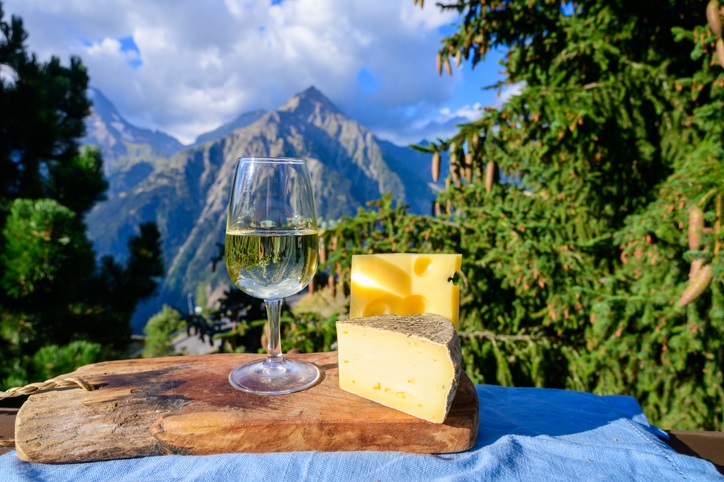
Chardonnay is another fun category for cheese pairings because the many different styles can send us in different directions. Chablis is typically the leanest, driest iteration and the bright acidity pairs perfectly with melty camembert or brie. Bolder white Burgundies can work with bolder cheeses similar to brie, like Époisses, while still balancing the acid and cream. New World unoaked Chardonnays can pair well with mild chèvre with flowers or herbs because the creaminess of the cheese is still balanced by the acidity of the wine and the floral or herbal notes highlight the bolder flavors of the wine. Bold, oaky Chardonnays stand up well to firmer cheeses. Try one with an Edam or a Fontina. Either will have a firmer but supple texture that will complement the wine, and the nutty, buttery flavors of the cheese will meld right in.
Riesling
Pairs with: Edam, Emmental, Havarti, Jack, Roquefort
Riesling is the ultimate shape-shifter because can run from bone dry and lean to unctuous and sweet. It’s worth considering a cheese pairing party based around Riesling alone! For dry Rieslings, go with Raclette, Edam, or Emmental – basically, semi-firm cow’s milk cheeses from Alpine regions. Brightly acidic Riesling will make the cheese melt in your mouth while highlighting the natural sweetness of cow’s milk.
Off-dry Rieslings can handle stronger flavors, like Havarti, Jack, or Colby – just be sure not to go with a cheese that has been aged or it will overwhelm the subtle sweetness of the wine.
Sweeter Rieslings, like Trockenbeerenausleses (TBAs) or any similar dessert-level wine, can handle bold bleus like Roquefort. The high-tone saltiness of Roquefort spars perfectly with the rich sweetness, while the creamy texture of the cheese is still broken down by the natural acidity of Riesling.
Other White Wines
Grüner Veltliner
Pairs with: Chèvre, Camembert, Herbed Boursin, Swiss Cheese
Since Grüner Veltliner is clean, green, and has a punch of spice, leverage those herbal notes – herbed chèvre or Boursin work very well here. Grüner can also work well with very fresh cheeses like ricotta or burrata due to its acidic nature. Finally, a simple Swiss cheese can work because it lends just a hint of nuttiness while allowing the fruit to shine.
Gewürztraminer
Pairs with: Muenster, Gruyère, Haloumi, Cheddar
Gewürztraminer is typically a wild medley of flavors so it’s worth trying several different types of cheese to experience the different notes. In general, Gewürztraminer works well with semi-soft to semi-hard cheeses. Muenster and Gruyère work well with Alsatian Gewürztraminers, while halloumi and mild cheddar can work with bolder New World iterations that have lower acid levels.
White Rhône Wines
Pairs with: Chèvre, Gouda, Comté
White blends from the Rhône Valley provide another fun category to explore because they work with such a wide range of cheeses. White Rhônes tend to include Viognier, Marsanne, and Roussanne but can also include a range of other grapes. Most work very well with a bright, fresh chèvre or even a Neufchatel. For firmer cheeses, lean towards Gouda or Comté to play off the subtle nuttiness of both the wine and the cheese.
Rosé
Pairs with: Burrata, Ricotta, Cantal, Goat Cheese, Manchego
Rosé has a range of styles so it can also pair with a variety of cheeses. For those very light, shell-pink rosés, go with equally light and delicate flavors in cheese. Burrata and ricotta work very well and both play off the fresh, subtle fruit notes of the wine. For a more traditional Provençal rosé, we can turn to slightly bolder flavors. Cantal from central France works well because it has slightly nutty notes with an underlying sweetness. Goat cheese can also work well, particularly if Herbs de Provence encase the log. For a more deeply-colored rosé, we can think more towards Drunken Goat or Manchego.
RELATED: 10 Top French Cheeses and Wines To Pair Them With
Pairing Red Wines with Cheese
Gamay/Beaujolais
Pairs with: Farmer’s Cheese, Chèvre, Edam, Gouda, Comté
Gamay can be lighter and fruitier than most reds and it tends to have broad appeal. It also works well with a variety of cheeses, from light fresh farmer’s cheese to bolder cheddar. It’s best to think of the weight of the wine and the age of the cheese to work out pairings here. Beaujolais Nouveaus go well with farmer’s cheese, chèvre, and Edam, while cru Beaujolais are better with Gouda, Comté, and mild cheddars. Gamay/Beaujolais tend to be surprising because different cheeses will highlight notes we might not have noticed otherwise, like orange peel or cardamom.
Pinot Noir
Pairs with: Époisses, Taleggio, Emmental, Gouda
With Pinot Noir, we can go in two different directions and we highly recommend both! Funky Époisses or Taleggio works best with acidic Burgundies that complement the runny creaminess of the cheeses, while the cheeses extract mushroomy and fruity notes from the wine. For New World Pinots, steer more towards semi-hard cow’s milk cheeses like Emmental or Gouda. There, the cheese provides a bit of firmness against the fuller body of the wine and the wine will highlight the fruitier notes of the cheeses. Very bold Pinots from hotter regions, like Paso Robles, can even work well with mild cheddars or smoked Gouda. Quite the flavor experiment!
Cabernet Franc
Pairs with: Aged Chèvre, Herbed Boursin, Drunken Goat, Colby
Cabernet Francs also love cheese because of the earthy and herbal notes in the wine but the acidity can be a little tricky. Aged goat cheese is a great choice because the acidity levels match as well as the pungency. Herbal chèvres can work as well, particularly with some rosemary or thyme. Similarly, herbed Bousin pairs nicely with many Loire Valley Cab Francs.
For Cab Francs that aren’t as herbal, like a bolder New World iteration, move towards Drunken Goat to still have a touch of funk without overpowering the wine, or Manchego to highlight the dusky fruit of the wine. Bold Cab Francs can also go with Monterey Jack, Colby, or mild cheddars. Sharp cheddars work against the wine’s acidity and can taste acrid together so stick to younger versions.
Grenache/Garnacha
Pairs with: Young Manchego, Basque, Ossau Iraty, Halloumi
Although Grenache can work with a range of cheese styles, it really shines with semi-hard sheep’s milk cheeses. Young Manchego is an obvious choice but it’s fun to experiment with a range of others: sheep’s milk gGouda, halloumi, Asiago, Basque, and Ossau Iraty all work well with Grenache and highlight the range of notes in the wine: orange peel, ripe berry fruit, spikes of spice. Avoid overly salty cheeses because they can smother the fruit of Grenache. For a fun experiment between fat and acid, fry the halloumi first.
Tempranillo
Pairs with: Manchego, Asiago, Fontina, Roncal, Idiazabal
The king of Spanish grapes deserves equally royal treatment! Best known from Rioja, Tempranillo can produce a range of styles depending on how long it’s aged and that’s a good rule of thumb for pairings. Younger Riojas work best with younger Manchegos as well as Asiago and Fontina. Aged Riojas pair well with Roncal, a gamier Spanish cheese, as well as pecorino and aged Manchego. Older Riojas – when they turn to that lovely garnet color – can pair with Idiazabal, another Spanish favorite, because the mellowed acid matches the buttery texture of the cheese while the nutty notes play well off each other. (But honestly, when in doubt? Just go with Manchego.)
RELATED: Best Wineries to Visit in the Rioja Region of Spain
Sangiovese
Pairs With: Parmigiano Reggiano, Grana Pardana, Asiago, Fontina
Sangiovese makes us happy because it’s the wine of Tuscany and all the delicious food that goes with it! For cheese pairings, we can consider deconstructing a pizza with perfect results: Sangiovese pairs well with Parmagiano Reggiano, Asiago, Fontina, and Grana Pardana. The acidity of Sangiovese helps break down those firm cow’s milk cheeses and the ripe fruit can stand up to saltiness with good effect. Also consider pairing a mozzarella on a Sangiovese-centric cheese board to compare how the wine interacts with the extremely different styles of cheese.
Merlot
Pairs with: Colby, Jack, Cheddar, Gorgonzola, Manchego, Taleggio
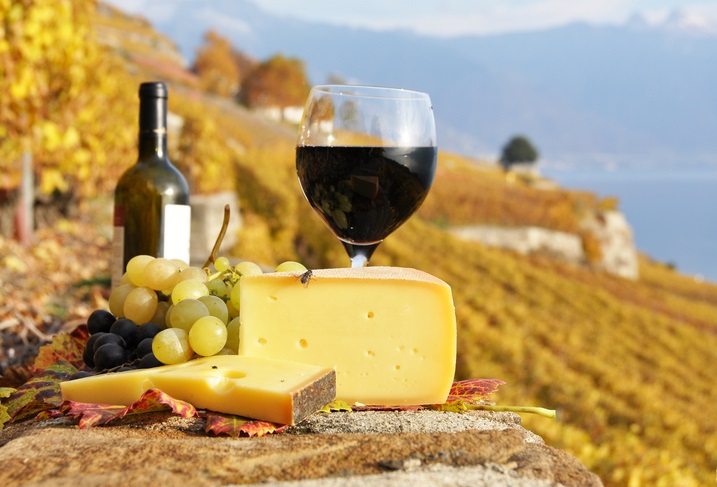
Merlot likes moderation. Any cheese that leans too hard in one direction will likely clash with or overpower friendly Merlot. But, for that reason, Merlot can pair well with many popular cheeses found on cheese boards. Colby, Jack, and cheddar all play well because they have bold enough flavor to match Merlot’s fuller body. However, milder bleus like Gorgonzola also work well because they highlight the fruitiness of the wine. Taleggio is a surprisingly good match as well and pulls out the earthier notes of the wine.
RELATED: Learn All About Switzerland’s Wines & Wine Regions
Malbec
Pairs with: Gouda, Cheddar, Gorgonzola, Pyrenees Brebis
Malbec has been compared to Merlot due to its soft tannins and lower levels of acidity but it can produce incredibly robust wines depending on where it’s from. Malbec can handle Gouda and cheddar without batting a lash but it also works very well with a variety of bleu cheeses, including those that overwhelm Merlot. For Malbecs from Cahors, lean more towards nutty cheeses from France, like Pyrenees Brebis or even Roquefort – both will lend a creamy texture to the pairing and take the flavor profile in different directions.
Syrah/Shiraz
Pairs with: Petit Brebicet, Cheddar, Pecorino with Peppercorns
Syrah tends to like sheep’s milk cheeses from rugged regions, similar to where it thrives in France. Petit Brebicet is a delightful pairing because there’s just a hint of funkiness that complements the gaminess of Syrah. Manchego pairs well, as does cheddar and there we can begin to go with bolder cheddars. Ossau Iraty from Southern France is another wonderful pairing, particularly if you want to pretend you’re in the lavender-dotted fields of Provence. Another fun pairing for bolder Syrahs is pecorino spiked with black peppercorns. Not for the faint-of-heart, the burst of spice highlights the spiciness of Syrah.
Cabernet Sauvignon
Pairs with: Aged Cheddar, Red Leicester, Stilton, Smoked Gouda
The big guns have arrived! Cabernet Sauvignon is a BIG wine and it likes equally BIG cheese profiles – we’re finally ready for sharp cheddar, Gloucester, Red Leicester, and Stilton. Basically, any cheese that would be served after dinner in Merry Old England can work with Cabernet Sauvignon. Bold flavors stand up to the boldness of Cab, while salty notes can extract the blackberry-cassis fruit. Cabernet can also work with oddball cheeses like smoked Gouda because it will highlight those cigar box notes of the wine. Mild cheeses are simply overwhelmed by Cab, so while they may not be terrible pairings, they probably won’t be worth trying.
Zinfandel
Pairs with: Aged Manchego, Sharp Cheddar, Parmigiano Reggiano, Stilton
Zinfandel is one of the boldest wines in the vinosphere so aged cheeses work best with it: this is where our extra sharp cheddars, our aged Manchegos, and our salt-crystaled Parmigiano Reggianos become superstars. There’s really no way to overpower Zin so the key is making sure the cheese is powerful enough to match it. Smoked Gouda pairs well because Zin can have a smokey quality, and cheeses dotted with jalapeño work as well because the spiciness matches. Aged bleus are also ideal, like Stilton, because Zinfandel can take the place of Port: there’s enough bold fruit to match the saltiness of the cheese without having too much sweetness.
You are reading “The Ultimate Guide to Pairing Wine and Cheese” Back To Top
Frequently Asked Questions
Does red or white wine pair better with cheese?
White wine pairs better with most cheeses. Its acidity cuts richness and its lack of tannin avoids the metallic clash tannins create with creamy, salty, or pungent cheeses. Reds work best with hard, aged styles like cheddar, Gouda, and Manchego.
What wine goes with a mixed cheese board?
Dry sparkling wine or Champagne is the most versatile choice. Its bubbles and bright acidity refresh the palate across fresh, bloomy, hard, and even blue cheeses, so one bottle can span a varied board without overpowering any style.
Why is Sauternes paired with Roquefort?
It is a classic sweet-and-salty contrast. Sauternes' honeyed, botrytized sweetness balances Roquefort's intense salt and peppery bite, while its viscous texture coats the palate. The two are neighbors in southwest France, a time-honored regional pairing.
What wine pairs with brie and camembert?
For brie, Champagne or dry sparkling cuts the buttery paste with bubbles and acidity. For earthier camembert, a lightly oaked or unoaked Chardonnay matches its mushroomy weight. Both bloomy cheeses favor bright whites over tannic reds.
What should I drink with blue cheese besides Sauternes?
Fortified and sweet wines work best. Tawny or vintage Port is the classic partner for Stilton, while late-harvest Riesling, Tokaji, or Pedro Ximénez sherry also balance blue's salt and pungency with sweetness and richness.
What wine goes with aged cheddar?
Full-bodied Cabernet Sauvignon or Bordeaux stands up to aged cheddar's sharp, savory intensity, its tannins matching the cheese's firm bite. Tawny Port is another traditional choice, its sweetness contrasting the cheese's salt and crunch.


Collect your Winetraveler passport — tap the regions & grapes you’ve tasted. Your stamps follow you across the whole site.
- Curious1 stamps
- Explorer3 stamps
- Connoisseur6 stamps
- Sommelier12 stamps
- Vigneron20 stamps
Your stamps are saved on this device.