
Best Wines to Pair with Different Kinds of Sushi
Sushi has become a staple in the American diet, but it can be confusing for a lot of people. What are all those different types of rolls? What’s the difference between sushi and sashimi? And most importantly, what kind of wine pairs well with sushi?
Dry sparkling (Champagne/Cava), off-dry Riesling, and Grüner Veltliner are the best all-rounders: their high acidity cuts through oily fish and soy, low tannin avoids the metallic clash reds cause with fish, and a touch of residual sugar tames wasabi and pickled-ginger heat.
Wine & Sushi Pairings at a Glance
| Food | Recommended Wine | Why It Works |
|---|---|---|
| Tuna nigiri (maguro) | Dry rosé (Provence) or chilled Pinot Noir | A low-tannin, high-acid pink or light red echoes lean red fish's weight without the tannin-iron clash a bigger red would cause |
| Salmon nigiri | Off-dry Riesling or Pinot Gris | Salmon's oiliness is cut by high acidity, while a hint of residual sugar and stone-fruit flavors flatter the rich, buttery flesh |
| Yellowtail (hamachi) nigiri | Grüner Veltliner or Albariño | Zesty acidity and subtle white-pepper/saline notes lift the clean, fatty richness and refresh the palate between bites |
| Fatty tuna (otoro) | Vintage Champagne or blanc de blancs | Otoro's high fat coats the mouth; aggressive bubbles and cutting acidity scrub the palate clean, and autolytic depth stands up to the richness |
| Eel (unagi) with sweet kabayaki glaze | Off-dry Riesling Kabinett or Vouvray demi-sec | The sweet-savory soy glaze needs matching residual sugar so it doesn't taste sour; acidity keeps the pairing lifted |
| Tempura roll (shrimp/vegetable) | Champagne, Cava, or Prosecco | Carbonation and acidity slice through fried batter and oil, resetting the palate the way a squeeze of lemon would |
| Spicy tuna roll / wasabi bites | Off-dry Riesling or Gewürztraminer | Residual sugar counterbalances chili and wasabi heat while acidity keeps the wine from feeling flabby against the spice |
| Salmon roe (ikura) & sea urchin (uni) | Blanc de blancs Champagne or dry Chablis | Briny, umami-rich roe/uni is matched by high-acid, mineral, unoaked whites and bubbles that cleanse the richness and echo the salinity |
| Vegetable rolls (cucumber, avocado) | Sauvignon Blanc or Grüner Veltliner | Herbaceous whites mirror fresh vegetal flavors; bright acidity handles rice vinegar and pickle without overpowering |
| Sashimi (assorted raw fish, no rice) | Dry Champagne, Muscadet, or dry Riesling | With no rice to buffer, crisp, low-alcohol, high-acid unoaked whites keep the fish clean and never mask its subtlety |
| California / crab-avocado roll | Cava or dry rosé | Sweet crab and creamy avocado pair with a lightly fruity, high-acid sparkling or pink whose freshness offsets the richness |
Here, we’ll break down the different kinds of sushi rolls and which wines work with which ingredients. The most important thing to keep in mind is that the more elements a roll contains, the more flavors to consider when pairing. Kanpai!
Sashimi
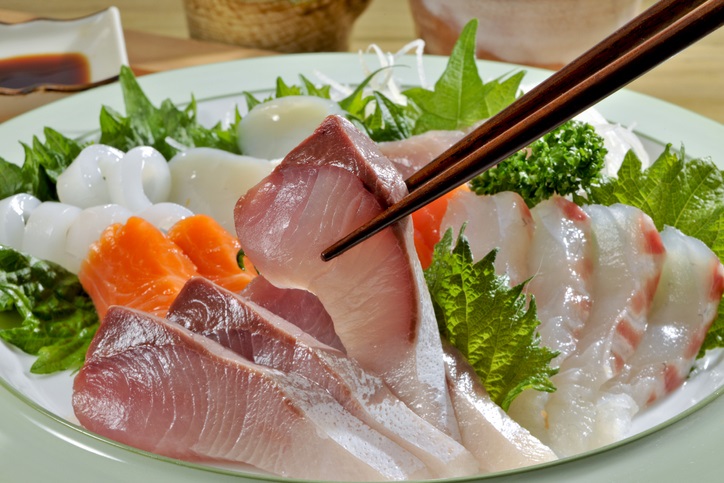
Sashimi is the simplest offering because it’s just small cuts of seafood. That’s it – no bells and whistles about it! Therefore, pairings are more about the type of seafood.
Lighter fish pairs well with equally light wine, like Pinot Grigio or Melon de Bourgogne (Muscadet). Muscadet also tends to lend some sea salt brininess, highlighting those notes of the fish.
We can get a little fuller in body with heftier seafood, like mackerel, halibut, and yellowtail. Chablis works well because of its clean minerality, highlighting the nuanced flavors of the fish without overpowering or intruding.
Tuna has deeper flavors and weight – as does salmon – and both work well with fuller-bodied rosé or Pinot Noir. Both wines will provide the proper weight and help temper umami flavors from the fish and soy sauce – and they can handle a bit of wasabi as well.
SHOP NOW: Use our most-recommended wine glasses when pairing these wines with sushi
Moving away from fish, scallops and squid work very well with Assyrtiko or Albariño because the honeyed, floral notes highlight the sweetness of the meat. Octopus and unagi (eel) are both much heftier and richer and can therefore work with red wine. Pinot Noir is an excellent pairing because it’s not overly acidic and matches the weight well, and it works with the sauce in which unagi is typically marinated. The subtle sweetness works with fruitier Pinots without overpowering the pairing.
Finally, tamago is another popular option. It’s a Japanese egg omelet that is sliced to mimic sashimi, nigiri, or sushi. And while you’re probably thinking “Just egg? That’s easy!”, it’s the seasoning to notice here: there’s a little mirin, sugar, and soy sauce whisked in before it’s cooked. Tamago can therefore pair with Vouvray or other Loire Valley Chenin Blancs that have hints of honey and toffee without overbearing sweetness at all.
RELATED: Learn More About the Loire Valley Wine Region
Nigiri
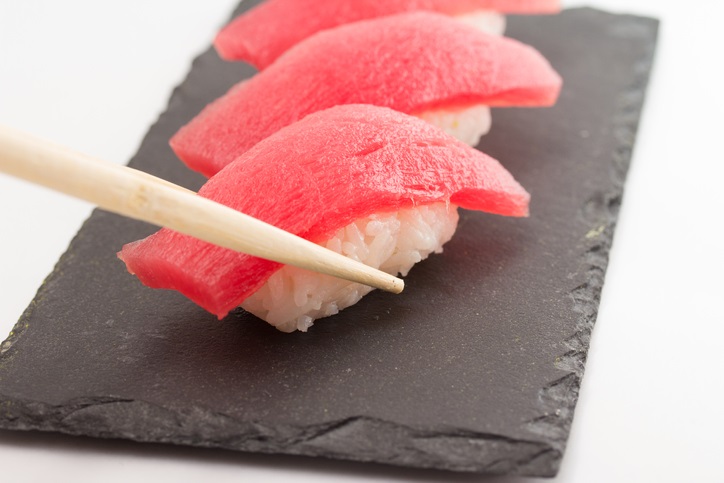
Nigiri is any of the above on top of a bit of rice, sometimes with a strip of seaweed wrapped around it all. The pairings for nigiri are similar to those listed above for sashimi but the consideration now shifts towards the rice. When prepared for sushi, rice is often seasoned just a bit. Most consumers then go in for a dip in soy sauce with wasabi. Both of those are powerful flavors so if we’re big soy users, we can shift just about any nigiri to pair with red wine (if we want).
Earthier Pinots from Oregon or Cabernet Franc works very well here, picking up the umami notes of soy sauce. For those who want to stick with white wine, a dry Riesling – particularly with a little age on it – or a Loire Valley Chenin Blanc work very well because they each have earthy notes similar to those found in Pinot and therefore can pair with the soy.
Sushi Rolls (Maki), Uramaki, and Temaki
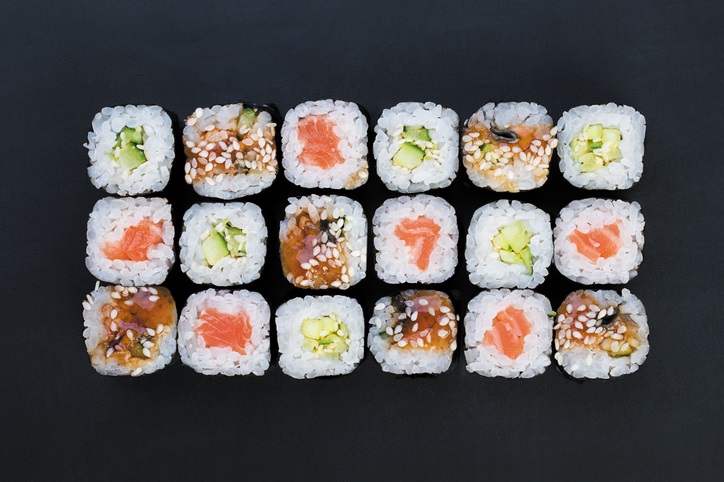
Okay, first things first: sushi, uramaki, and temaki are not the same. They are all types of rolls but there are indeed differences. We’ve categorized them together because the ingredients are almost identical across rolls – it’s the order of ingredients or the way the roll is created that differs. In other words, the flavors will be similar but the rolls might look different.
A sushi roll is the one we’re probably most used to seeing: an ingredient or two in the center, surrounded by rice, and then held together by a seaweed wrapper.
Uramaki is also known as an “inside out” roll because the ingredients will be on the outside with rice in the center.
Temaki is also known as a “handroll” – it’s more of a conical shape and usually has fewer ingredients involved.
Cucumber & Vegetarian Rolls
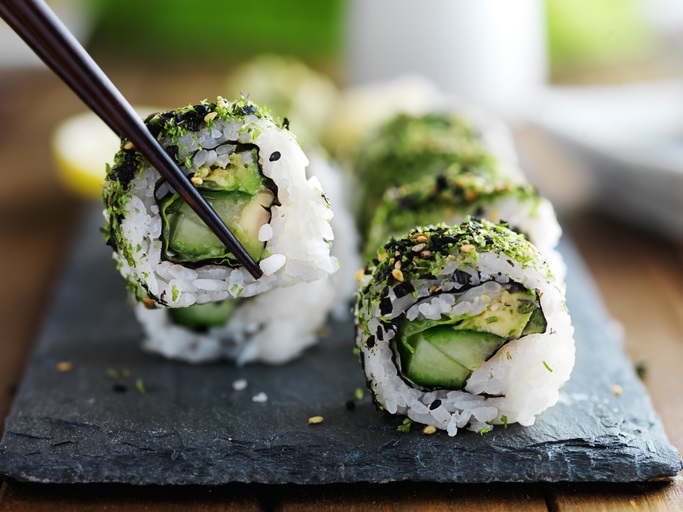
The simplest roll – regardless of style – is rice, seaweed, and one other ingredient. A cucumber or vegetarian roll works best with Albariño or Vinho Verde – lighter whites that come from maritime climates, thereby picking up a hint of that sea air. They both work well with just a bit of soy and wasabi and won’t overpower the brightness of the fresh vegetables.
California Rolls & Rainbow Rolls
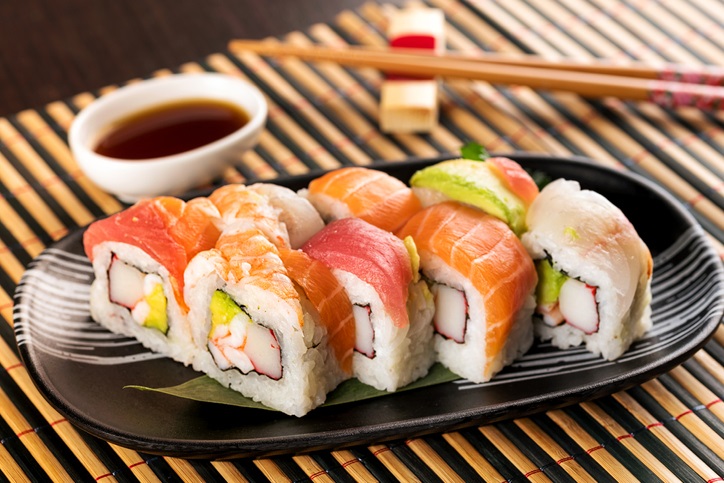
With more complicated rolls, we need to consider the ingredients. California rolls consist of cucumber, crab meat, and avocado, providing additional weight and depth. Rainbow rolls are basically California rolls with thin slices of sashimi on the outside – usually tuna, salmon, and yellowtail. Sauvignon Blanc can work well with both, providing acidity against crab and avocado and brightness against the sashimi. A Provençal rose can work well too providing weight and fruit that will highlight the different flavors and textures.
RELATED: Dive Deeper into France’s Provence Wine Region
Spicy Tuna & Salmon Rolls
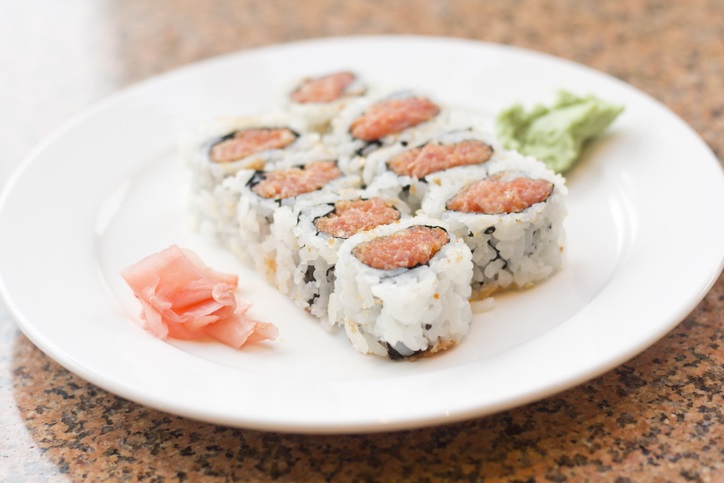
Spicy tuna or salmon rolls are similar to basic tuna or salmon rolls, but the spicy sauce changes the flavor entirely. The sauce is made of mayonnaise, spicy chili sauce, and a little lemon juice and sesame oil, but the creamy spice is what stands out. For these, a little sweetness would be a great balance against the spicy, so an off-dry Riesling or Chenin Blanc would work very well. The acidity of Riesling also balances the creamy sauce.
Shrimp Tempura Rolls & Dragon Rolls
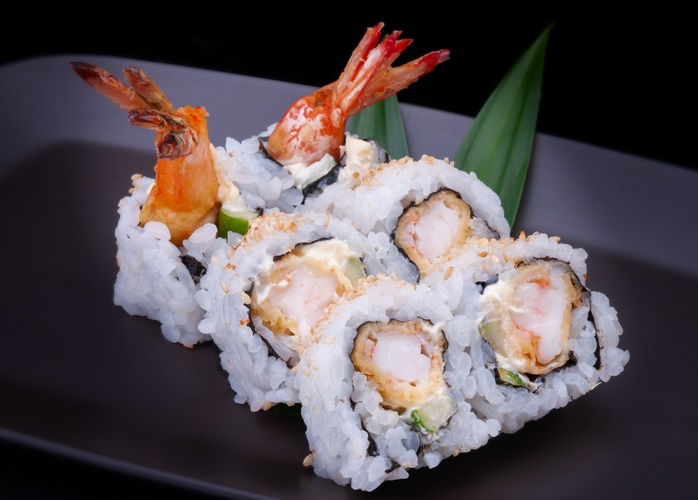
Shrimp tempura rolls are made with battered and fried shrimp along with cucumber and avocado. Actually, the protein isn’t always shrimp but the concept is the same: the tempura treatment before being added to the roll. Adding in one more rich ingredient brings us to dragon rolls, which usually consist of avocado, unagi (eel), and shrimp tempura.
Between tempura and avocado, we need something that can cut through the fattiness and here, we love pairing sparkling wine. A good Cava will work well because it will bring out those earthy notes of unagi and soy sauce. Besides… it’s bubbly.
Spider Rolls
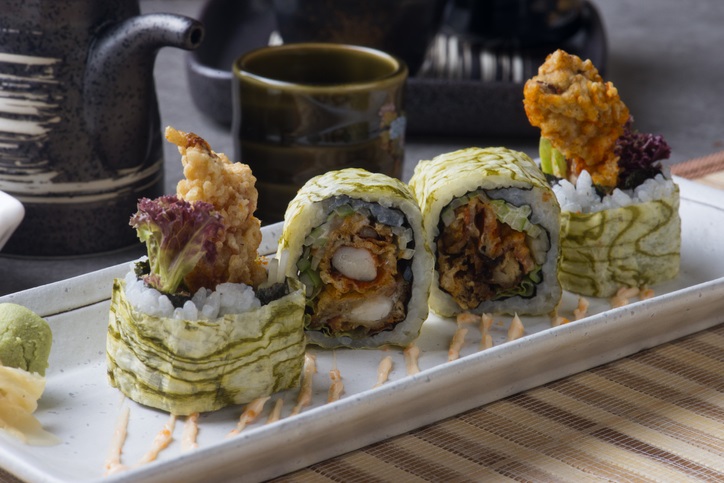
Spider rolls consist of tempura soft-shell crab, cucumber, avocado, and spicy mayo – they’re sort of a mash-up between spicy tuna rolls and dragon rolls. So it only makes sense that these work well with similar wines. Sparkling rosé and Lambrusco work well. The bolder fruit will stand up to both the spice and the weight of the dish. And besides… it’s bubbly.
RELATED: Exceptional Sparkling Wines to Try from Around the World
Philadelphia Rolls
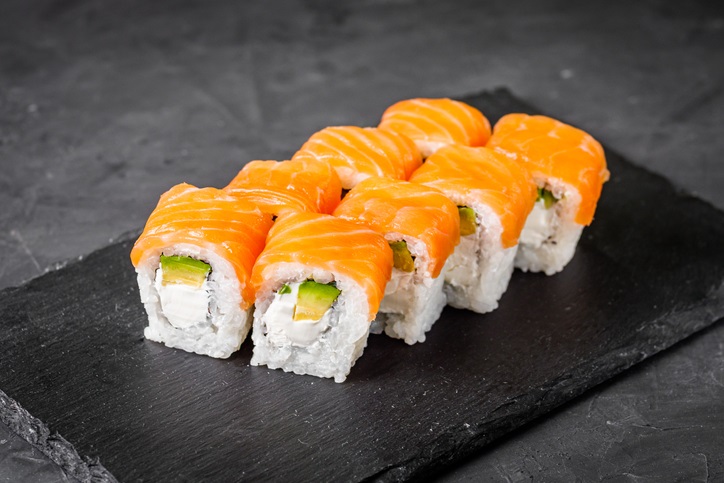
Philadelphia rolls take a serious departure from all other rolls by including salmon and cream cheese. We’re not claiming they’re traditionally Japanese, but we are claiming them to be delicious! And even better, Philadelphia rolls are among the few that work best with red wine. Pinot Noir in particular is the perfect pairing for them because it works well with the savory-sweet notes of salmon, along with the bright pungency of cream cheese. Gamay is also an incredible variety to pair with Philadelphia rolls.
Inari Pairings
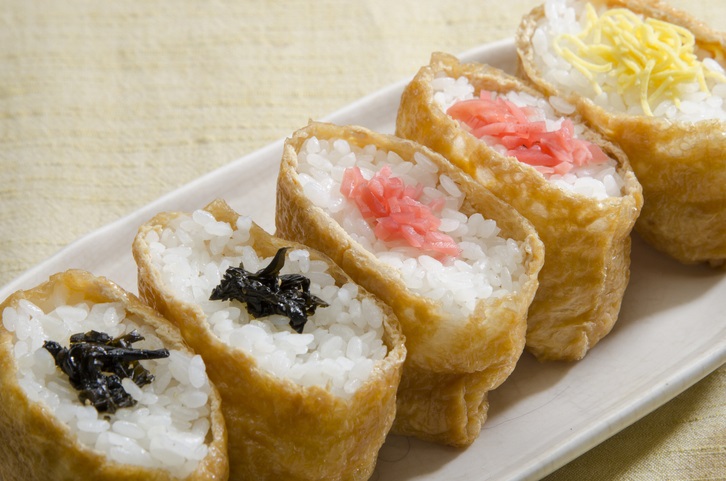
Finally, inari. While neither sushi nor sashimi, inari is a popular offering in sushi restaurants. Inari is those sushi-sized tofu pockets stuffed with rice. The tofu is seasoned and slightly sweet, and soy sauce is typically used as well. Viognier matches with inari because of its floral tones, but inari can also work with a bolder Gamay – even a Beaujolais Nouveau.
Ultimately, Japanese cuisine is about more subtle flavors and that’s probably the most important thing to keep in mind. A variety of wines work with sushi, but try to avoid wines with big fruit or tannins because both will overwhelm the nuanced notes of sushi and sashimi.
You are reading “Best Wine with Sushi Pairing Recommendations” Back To Top
what wine goes with sushi: Asian food with wine
How to Pair Wine & Sushi Pairings
- Prioritize high acidity and low-to-no tannin: acid cuts oily fish, soy, and rice vinegar, while tannin reacts with fish oils to create a metallic taste.
- Go off-dry when wasabi, chili, or ginger are in play: a touch of residual sugar tames the burn, whereas a bone-dry wine tastes harsher against heat.
- Reach for dry sparkling with anything fried or fatty: carbonation and acidity scour oil (tempura, otoro) and reset the palate.
- Avoid oaky, high-alcohol reds and heavily oaked Chardonnay: oak and tannin overwhelm delicate fish and clash with soy and raw seafood.
- Mind the soy and sweet glazes: umami intensifies a wine's bitterness, so match sweet unagi/teriyaki glazes with a wine of comparable sweetness.
Frequently Asked Questions
What is the best all-around wine for sushi?
Dry sparkling wine such as Champagne or Cava is the safest all-rounder. Its high acidity and carbonation cut through oily fish, fried rolls, and soy, while its lack of tannin avoids clashing with raw fish, making it flexible across a mixed platter.
Can you drink red wine with sushi?
Yes, but choose light, chilled, low-tannin reds like Pinot Noir or Gamay. High-tannin reds react with fish oils to create a metallic taste. Lean reds work best with meatier fish such as tuna and salmon rather than delicate white fish.
Why is Riesling good with sushi?
Riesling's naturally high acidity cuts oily fish and rice vinegar, while off-dry styles carry residual sugar that counterbalances wasabi, ginger, and spicy rolls. Its low alcohol and stone-fruit flavors flatter salmon and eel without overpowering delicate raw fish.
What wine goes with spicy tuna rolls?
An off-dry Riesling or Gewürztraminer works best. The residual sugar tames the chili and wasabi heat, since sweetness counteracts capsaicin, while the wine's bright acidity keeps it from tasting flat against the spice and creamy sauce.
Should sushi wine be sweet or dry?
It depends on the dish. Dry, high-acid whites and sparkling suit clean nigiri and sashimi, while off-dry wines are better for spicy rolls and sweet-glazed items like unagi. Match the wine's sweetness to the dish so neither tastes sour or cloying.
Does the soy sauce affect the wine pairing?
Yes. Soy sauce adds salt and umami that make a wine taste more bitter, dry, and tannic. High-acid, fruit-forward, low-tannin wines like Riesling, Grüner Veltliner, or sparkling handle soy best, whereas oaky or tannic wines turn harsh alongside it.


Collect your Winetraveler passport — tap the regions & grapes you’ve tasted. Your stamps follow you across the whole site.
- Curious1 stamps
- Explorer3 stamps
- Connoisseur6 stamps
- Sommelier12 stamps
- Vigneron20 stamps
Your stamps are saved on this device.