Assyrtiko at a Glance
Structure
- Body Medium
- Sugar Dry / Sweet
- Acid High
- Alcohol Medium
- Tannins Low
The Shape of Assyrtiko
Each spoke runs from delicate (centre) to pronounced (edge). Tap a benchmark to lay a familiar grape over the top.
More About Assyrtiko
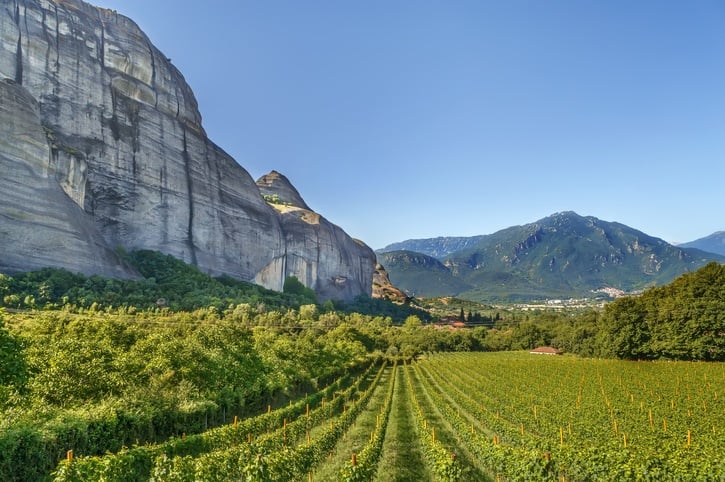
Assyrtiko is arguably one of the more well-known Greek white wine grapes. It makes a light-bodied, refreshingly crisp wine with flavors of citrus fruits, tropical notes, saline, and noticeable minerality. It is originally from the Cyclades island of Santorini but now has been widely planted across mainland Greece as well as in parts of Australia.
The Terroir of Assyrtiko
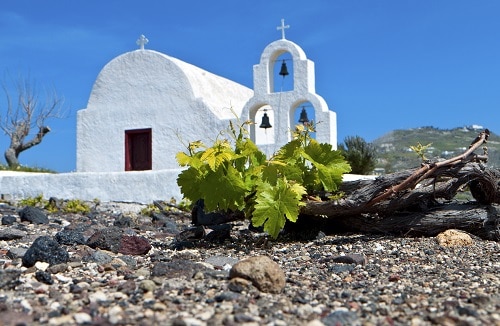
In the vineyard, Assyrtiko thrives in the volcanic ash-rich soils of Santorini, as well as the hot and dry climate that is often windy. Many of the vines located in Santorini are old vines of 70+ years and some may even be up to 250 years old. Most are ungrafted as it is unnecessary to graft the vines due to the fact that the volcanic soil lacks clay and has prevented the spread of the root louse, phylloxera.
Wine Styles of Assyrtiko
Assyrtiko grapes contain high acidity even when picked ripe, which makes the grape a great option for making dry, crisp single varietal wines or picking later in the harvest season to increase sugars and make sweeter wines.
Assyrtiko can be made into various styles of wine and can even be blended with other white grapes. Usual blending partners include the Greek grapes, Athiri and Aidani, or other grapes such as Sauvignon Blanc, Sémillon, and Malagousia. As a single varietal, Assyrtiko wines are usually clean, crisp, with high acidity.
RELATED: Learn About Unique Grape Varieties and Wine Regions to Visit with the Free Winetraveler App
If a winemaker chooses to age the wines in oak, the wines may be labeled “Nykteri,” which means the grapes are picked at night to avoid the heat of the day, vinified in oak or steel, but then they must be aged in oak for a minimum of three months. This method produces a bone-dry wine with high acidity but a fuller body than an Assyrtiko not aged in wood. When made into the sweet “Vinsanto” wine, Assyrtiko is picked as a late-harvest grape and must make up at least 51% of the blend. Vinsanto wines can have aromas and flavors of dried fruits like apricots, and sweet spices, and this style still maintains the minerality and acidity of other drier Assyrtiko wines.
Assyrtiko Food Pairings
Because of the grape’s naturally high acidity, Assyrtiko wines are an excellent pairing for food. Seafood dishes are common pairings as the wine does exceptionally well with grilled fish, oysters, shellfish, and even Mediterranean tomato-based dishes. In this case, the food and wine pairing rule of “what grows together, goes together” reigns supreme as the island classics of Santorini will lead the way as the best food pairings with this wine.
Learn About These Other Wine Grape Varieties
Jacqueline Coleman is a professional wine + travel writer, wine judge, columnist, and consultant based in Miami, FL.
Taste Assyrtiko at the Source
Assyrtiko is tied to a handful of regions. Explore each as a travel destination — with wineries, tours and guides.
Assyrtiko: Frequently Asked Questions
What does Assyrtiko wine taste like?
Assyrtiko delivers zesty lemon, lime and green-apple flavors with striking minerality, saline and flinty notes. This Greek white shows searing high acidity and a lean, focused body. Santorini's volcanic soils lend a distinctive smoky, salty character, while oak-aged versions gain richer texture.
Is Assyrtiko sweet or dry?
Assyrtiko is predominantly made bone-dry, showcasing intense citrus, minerality and racy acidity. Santorini also produces Vinsanto, a rich sun-dried dessert wine from Assyrtiko. The classic modern style, however, is a crisp, dry white prized for its structure and freshness.
What food pairs well with Assyrtiko?
Assyrtiko's high acidity and saline character pair superbly with fresh seafood, oysters, grilled fish and shellfish. It complements Greek dishes like grilled octopus, feta, tomato fritters and lemony vegetables. Its minerality also suits sushi, ceviche and bright, herb-driven Mediterranean fare.
What wines are made from Assyrtiko?
Assyrtiko produces crisp dry white wines, both unoaked and barrel-fermented, plus the sweet sun-dried Vinsanto of Santorini. It also appears in blends and sparkling wines. Renowned for retaining acidity in heat, it makes structured, age-worthy whites and rich dessert styles.
Where is Assyrtiko grown?
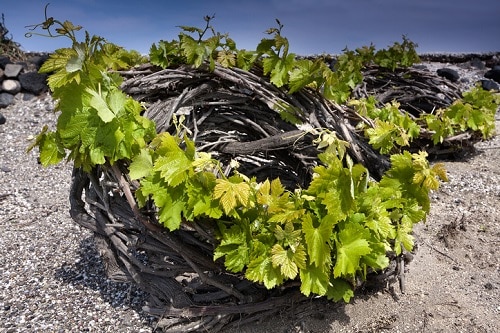
Assyrtiko originates on the Greek island of Santorini, where old vines grow in volcanic soil, trained in basket shapes against wind. It has spread across mainland Greece and gained international plantings in Australia, California and elsewhere, prized for retaining acidity in warm climates.
How should you serve Assyrtiko?
Serve Assyrtiko chilled, around 48-52°F, to highlight its citrus, minerality and racy acidity. Oak-aged or premium Santorini bottles show best slightly warmer in a larger glass. These structured whites can age several years, gaining honeyed, complex character while retaining freshness.