 ★ Top rated 6 to 8 hours 📍 Aix en Provence
 Cinsault at a Glance
Common Flavors
- Fruit Characteristics
- Additional Characteristics
Food Pairings
- Black Olives
- Sheep's Milk Cheeses
- Ratatouille
- Pizza
- Grilled Sausage
- French Dip Sandwiches
The Shape of Cinsault
Each spoke runs from delicate (centre) to pronounced (edge). Tap a benchmark to lay a familiar grape over the top.
Cinsault
More About Cinsault
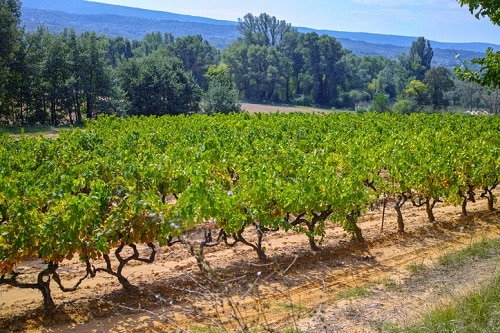
Cinsault (or, Cinsaut – we’re sticking to the first spelling for consistency) is the quintessential southern French grape. It thrives under the hot sun, and can be found throughout the Rhône Valley, Languedoc, Roussillon, and beyond. Seldom bottled on its own, it’s most often blended with Grenache, Mourvèdre, Carignan, and Counoise, though the options are almost limitless.
In Provence, it’s one of the grapes used for those famous Provençal Rosés that taste like summertime in a glass.
The Tasting Notes of Cinsault
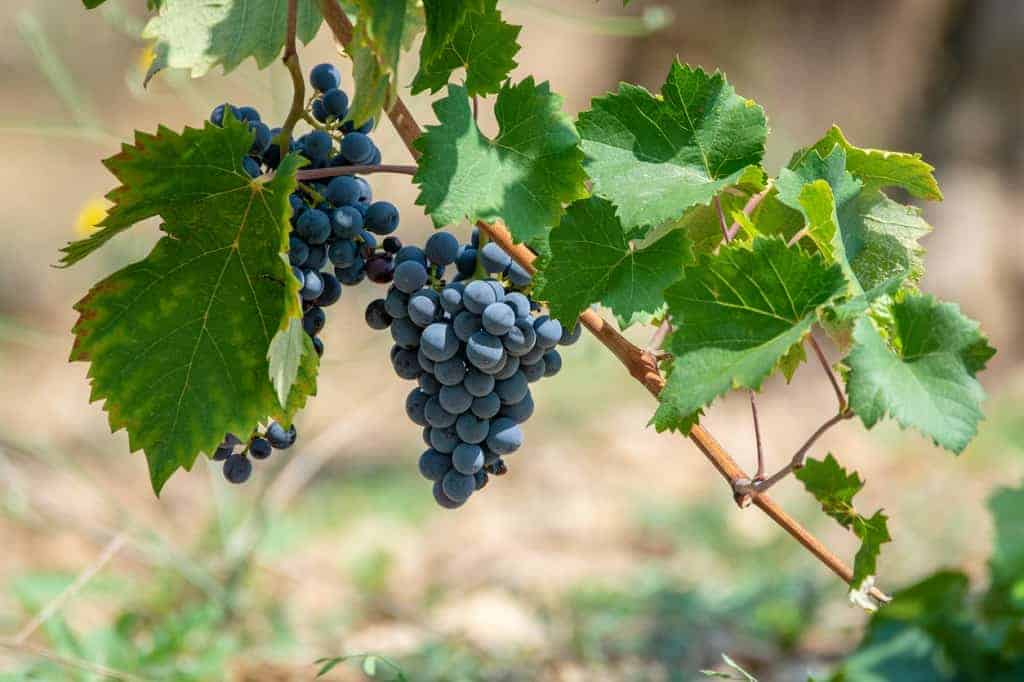
When bottled on its own, Cinsault typically produces fruity and fresh wines meant to be drunk young. Bright red berry fruits like cherry, ripe strawberry, and red currant dominate, complimented by black pepper, violets, and mulling spices. Basically, this is meant for popping open under the Provençal sun!
Cinsault Food Pairings
Cinsault and Cinsault-based blends are fairly versatile. Reds can work with standard southern French and Mediterranean fair: black olives, sheep’s milk cheese, ratatouille, and yes, even pizza. However, its spiciness can stand up to heartier fare like grilled sausage or garlic-heavy dishes. Rosés are perfect for niçoise salad or its sandwich twin the pan bagnat.
Important Wine Growing Regions for Cinsault
Cinsault is an important, although admittedly declining, player in the famous Chateauneuf-du-Pape blend and can also be found in other Southern Rhône blends. It’s also commonly used in Languedoc-Roussillon and Provence. In Italy, Cinsault goes under the moniker Ottavianello and can be found in small plantings.
As often happened, colonialism played a major role is spreading Cinsault and it can still be found throughout Algeria, Morocco, Tunisia, and Lebanon. North African wineries typically blend it with Cabernet Sauvignon, Carignan, and other similar heat-loving red varieties.
Other New World regions experimenting with Cinsault include Australia, California, Washington State, Chile, and South Africa. Fun fact: In South Africa, it’s called Hermitage (probably as a nod to the Rhône Valley) and is one of the parents of Pinotage.
As interest in heritage varieties continues to grow, Cinsault should be on everyone’s radar. It’s has incredible potential as a crowd-pleaser without being over-the-top, and it shows loads of potential to thrive in a range of locations.
Check out some of these Cinsault and Cinsault-based blends from around the world:
- Domaine du Vieux Telegraphe, ‘La Crau’, Chateauneuf-du-Pape, France
- Domaine Tempier Rosé, Bandol, Provence, France
- Chateau de saint Cosme, ‘Les Deux Albions’, Côtes-du-Rhône, France
- Domaine de la Mordorée, ‘La Dame Rousse’ Rosé, Côtes-du-Rhône France
- Mas Champart, ‘Causse du Bousquet’, St. Chinian, Languegedoc-Roussillon, France
- Onesta, Lodi, California
- De Martino Viejas Tinajas, Chile
Learn About These Other Wine Grape Varieties
Where It Grows
Taste Cinsault at the Source
Cinsault is tied to a handful of regions. Explore each as a travel destination — with wineries, tours and guides.
Editor’s spotlight
Featured Winery · Cinsault
Chêne Bleu
★ 4.9
Last Updated on December 27, 2019. La Verrière is uniquely situated at an elevation of 550 meters (1,800 feet) within a UNESCO biosphere reserve in the shadow of the Mont Ventoux. Typical of other high ...
Explore Chêne Bleu →Visit
Browse all →
Wineries Known for Cinsault
Estates specializing in Cinsault, open for tastings.
Book It
Tours Featuring Cinsault
Bookable experiences in Cinsault's home regions.
★ Top rated 6 to 8 hours 📍 Aix en Provence
★ Top rated 8 hours 📍 Aix en Provence
★ Top rated 7 hours 30 minutes 📍 Aix en Provence Wine, Olive Oil and Scenic Villages of Provence
🕑 Full-day
★ Top rated 9 hours 📍 Avignon Châteauneuf du Pape Wine Day Tasting Tour including Lunch from Avignon
🕑 Full-day 🍽 Lunch included
★ Top rated 7 hours 📍 Marseille Côtes de Provence Wine Day Tour : 7 hours
🕑 Full-day
4 hours 15 minutes 📍 Aix en Provence Half day Wine Tour in Côteaux Aix from Aix en Provence
🕑 Half-day
Cinsault: Frequently Asked Questions
What does Cinsault taste like?
Cinsault is a light, fragrant red with flavors of red cherry, strawberry, raspberry, and dried herbs, often with floral and subtle spice notes. It has soft tannins and moderate acidity, giving a delicate, refreshing character that also lends elegance to rosé.
Is Cinsault sweet or dry?
Cinsault is made as a dry wine, whether red or rosé. Its bright red-fruit flavors can taste fruity and juicy, but there is no residual sugar. The light body, soft tannins, and fresh acidity give an easy-drinking, thirst-quenching dry style.
What foods pair well with Cinsault?
Cinsault's light body and soft tannins pair well with grilled chicken, pork, charcuterie, and Mediterranean dishes. As a rosé it suits salads, seafood, and picnic fare. Serve slightly chilled with roasted vegetables, herbed dishes, and mild cheeses.
What wines are made from Cinsault?
Cinsault makes light, aromatic dry reds and is a key blending grape in southern France's Rhône and Languedoc, adding softness and perfume. It is widely used in rosé, including Provence blends, and is a parent of South Africa's Pinotage.
Where is Cinsault grown?
Cinsault is grown widely across southern France, including the Rhône Valley, Languedoc-Roussillon, and Provence. It is also important in Lebanon, South Africa, Morocco, Chile, and increasingly appreciated as old-vine plantings in California and elsewhere.
How should you serve Cinsault?
Serve Cinsault slightly chilled at 55 to 60 degrees Fahrenheit to highlight its fresh red fruit and delicate character; rosé versions cooler at 45 to 50. Its light body rarely needs decanting. Use standard red or all-purpose wine glasses.