Pinotage at a Glance
Common Flavors
- Fruit
- Earth & Additional Characteristics
Structure
- Body Medium
- Sugar Dry
- Acid Medium - Minus
- Alcohol Medium - Plus
- Tannins Medium - Plus
Food Pairings
- Barbecue
- Braai Spice Rub
- Grilled Lamb
- Ribs
- Al Pastor
The Shape of Pinotage
Each spoke runs from delicate (centre) to pronounced (edge). Tap a benchmark to lay a familiar grape over the top.
More About Pinotage
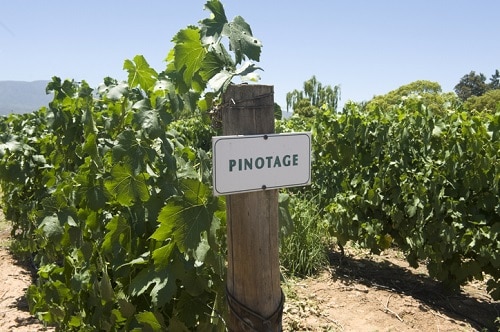
Pinotage is arguably the most interesting wine grape because its heritage and resulting flavor profile don’t seem to be aligned at all. This love child of Pinot Noir and Cinsault made its appearance in 1925 as the result of ambitious viticulturists who wanted a more heat-tolerant version of Pinot Noir.
IN THIS GUIDE:
- Taste
- Pairings
- Terroir
- Aging
- Wine Recommendations
- ...and more
The name Pinotage comes from blending the local names of the two grapes – ‘Pino’ is fairly obvious, but ‘tage’ comes from Cinsault’s name in South Africa, Hermitage. Viticulturists got their wish because heat tolerant it is, and in the passing century it has become South Africa’s signature grape. However, its flavors aren’t exactly similar to Pinot Noir, or even Cinsault for that matter.
What Does Pinotage Taste Like?
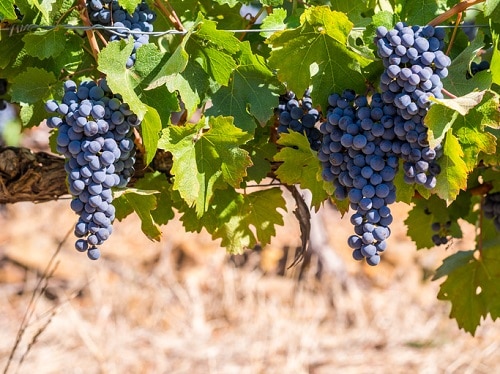
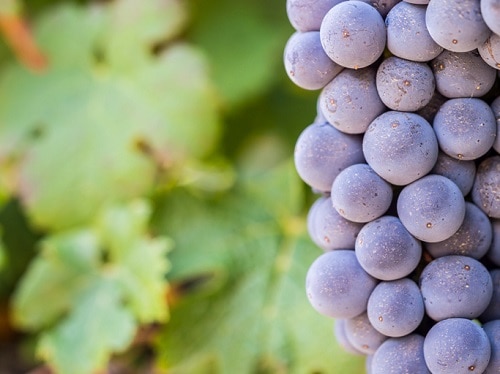
Pinotage is dark – darkly colored, darkly scented, and darkly flavored. Its fruit notes lean way over towards blackberry, plum, and black currant with earthy bramble in there. Its most distinctive note is its unmistakable smokiness that presents itself both on the nose and on the palate. Other notes commonly found in Pinotage are soy sauce, bacon, tar, anise, and pipe tobacco.
Pinotage Food Pairings
Pairings for Pinotage need to be just as bold, and spicy barbecue seems to be the most natural pairing. However, grilled lamb, ribs, and even al pastor will all work beautifully.
Pinotage is likely to overwhelm lighter fare, so be sure to have this wine alongside those big, hearty flavors. It’s worth making South Africa’s traditional braai spice rub which includes garlic, coriander, paprika, cumin, salt, and black pepper for barbecues to have with Pinotage.
Climate and Terroir for Pinotage
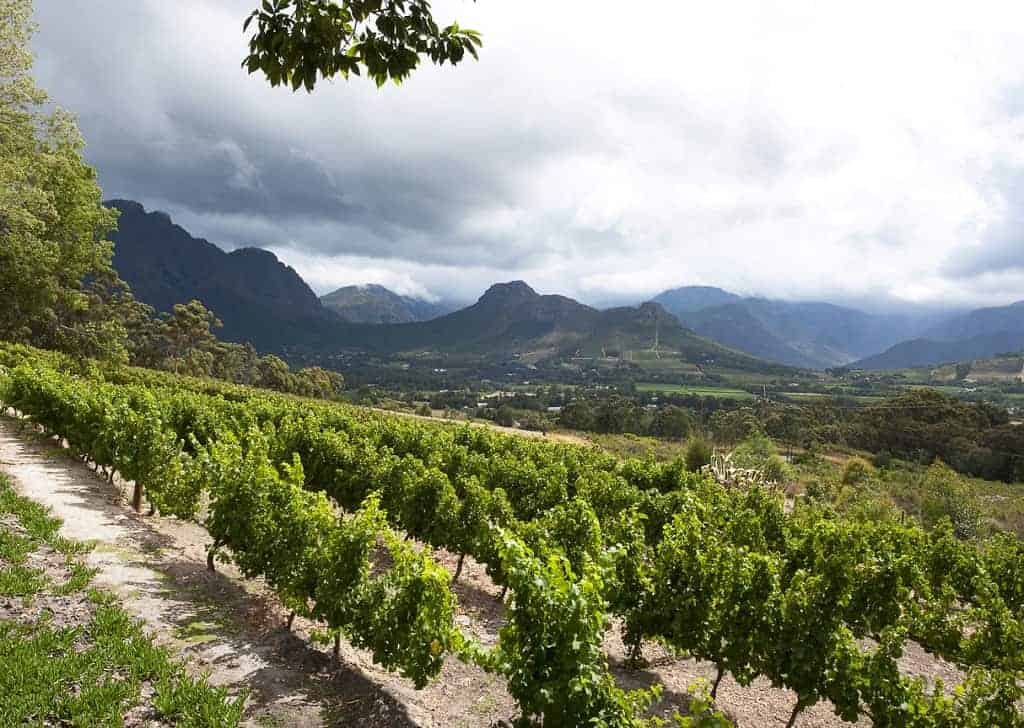
Stellenbosch, South Africa is Pinotage’s birthplace but it has spread to most wine-producing regions in the country. Despite initial criticism of the grape, its popularity has grown over the years, particularly for lovers of bold Zinfandel and Syrah. It has therefore spread to other wine regions around the world, though it seems that for now it is limited to New World regions.
Beyond South Africa, Pinotage has been successful in New Zealand, Israel, Brazil, and the United States, particularly in California. As global temperatures are projected to rise, it will be interesting to see if Old World wine regions warm up to experimenting with New World varieties like Pinotage.
How is Pinotage Aged?
Most Pinotages are meant to be drunk upon release. Although the tannins and acidity levels of Pinotage imply they can be aged, many producers harvest riper grapes to extract those dark notes for which Pinotage is known. Some have been experimenting with lighter styles in recent years and it will be interesting to see how they age.
Try these great-tasting Pinotage wines from around the world:
- Kanonkop, Stellenbosch, South Africa
- Painted Wolf, ‘Guillermo,’ Swartland, South Africa
- Beeslaar, Stellenbosch, South Africa
- Fort Ross, Sonoma Coast, California
Learn About These Other Wine Grape Varieties
Taste Pinotage at the Source
Pinotage is tied to a handful of regions. Explore each as a travel destination — with wineries, tours and guides.
Warwick Wine Estate
Last Updated on August 16, 2022. Warwick Estate is a high-end South African winery in the Stellenbosch region of South Africa. The estate has a rich farming history dating back to 1771. In addition to ...
Explore Warwick Wine Estate →Wineries Known for Pinotage
Estates specializing in Pinotage, open for tastings.
Pinotage: Frequently Asked Questions
What does Pinotage taste like?
Pinotage delivers bold flavors of blackberry, plum, and dark cherry, often with smoky, earthy notes and hints of rooibos or coffee. Riper styles can show sweet mocha and chocolate. Its rustic, full-bodied character and firm tannins make it distinctive among South African reds.
Is Pinotage sweet or dry?
Pinotage is almost always vinified as a dry red wine, with no perceptible residual sugar. Some examples show ripe, fruity intensity or sweet oak-derived mocha notes that read as richness, but the wine itself finishes dry with firm tannins and moderate acidity.
What foods pair best with Pinotage?
Pinotage pairs beautifully with grilled and barbecued meats, especially South African braai, boerewors, and lamb. Its smoky character suits venison, beef stew, and spiced dishes. Aged Gouda and hard cheeses also work well, complementing the wine's bold, earthy structure.
What is the difference between Pinotage and Pinot Noir?
Pinotage is a South African crossing of Pinot Noir and Cinsault, but tastes very different from Pinot Noir. It is fuller-bodied, darker, more tannic, and smokier, while Pinot Noir is lighter, more delicate, and shows red-fruit elegance rather than rustic power.
Where is Pinotage grown?
Pinotage is South Africa's signature grape, created there in 1925 by Abraham Perold. It is grown widely across the Cape Winelands, particularly Stellenbosch and Paarl. Small plantings also exist in New Zealand, the United States, Zimbabwe, and Brazil.
How should you serve Pinotage?
Serve Pinotage slightly below room temperature, around 60 to 64 degrees Fahrenheit, to highlight its fruit and control the tannins. Decanting for 30 to 60 minutes helps softer bolder styles. Use large-bowled red wine glasses to release its smoky aromatics.