 ★ Top rated 7 to 8 hours 📍 Mendoza
 Clos of the 7 Experience. Winery Visits, Lunch & Private Transfer
🕑 Full-day 🍽 Lunch included

Tannat is a red wine grape from French Basque Country. Explore where to taste it, the wineries that specialize in it, and the tours that visit its home regions.
Each spoke runs from delicate (centre) to pronounced (edge). Tap a benchmark to lay a familiar grape over the top.
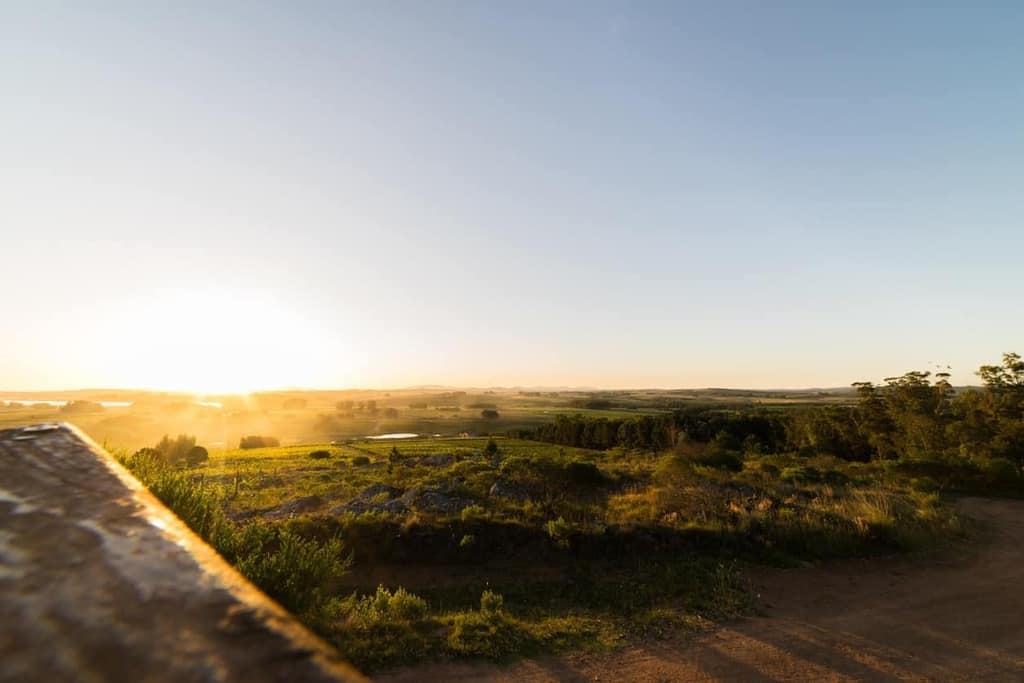
Native to France, Tannat has become the unlikely hero of Uruguay and put it on the winemaking map. It’s an interesting grape that continues to surprise with the way it expresses terroir so specifically. Where it’s grown and how it’s vinified will change its flavor profile considerably so it’s a pretty exciting grape for experimental winemakers to work with.
On the nose, Tannat exhibits black fruit, topsoil, herbs and wet stones. On the palate, it can range from highly tannic and structured to softer and more rounded. It typically displays blackberry, current, plum, smoke, minerality, dried spices, but the berry quality can be fruitier and softer when it’s from Uruguay.
Tannat tends to work best with bolder dishes to stand up to the strength of its structure and flavor profile. Grilled game or lamb works very well for Tannats from Southwest France, as well as black olive, eggplant, and mushroom-based dishes. For those from Uruguay, the options are broader: grilled meats of just about all kinds work well, though overly hot sauce will mask the nuances of the wine.
Tannat is thought to originally be from the Basque region of France but is best known as the grape of Madiran located in the Southwest region along the foothills of the Pyrenees. Although most Madirans are 100% Tannat, they can also be blended with Cabernet Franc, Cabernet Sauvignon, and Fer. Tannat is, however, still found in Irouleguy in Basque country and this key location is how it made its way to South America. Around 1870, Basque immigrants brought vines with them to Uruguay where they then began to thrive. Today, more Tannat in grown and produced in Uruguay than it is anywhere else in the world.
Tannat has shown a lot of promise in hotter areas of California as well. Tablas Creek is partially responsible for its California growth. In 1990, it received Tannat cuttings from the Perrin nursery despite Tannat not being a varietal typically found in the Rhône Valley. Since Tannat is a fairly easy grape to grow, the nurseryman felt it would do well in California and it certainly has. Today, it can be found throughout the state including Paso Robles, Monterey, and Mendocino.
Tannat continues to show global promise and is currently cultivated in Argentina, Brazil, Australia, Italy, and South Africa. In the United States, it’s also found in Oregon and Arizona and shows great potential to be grown elsewhere.
Check out some of these Tannat and Tannat-based blends from around the world:
Tannat is tied to a handful of regions. Explore each as a travel destination — with wineries, tours and guides.
Last Updated on September 9, 2019. Jeff Runquist Wines is a small producer of single vineyard designated red table wines from throughout California. Most of his wines are produced in limited quantities and all of ...
Explore Jeff Runquist Wines →Estates specializing in Tannat, open for tastings.
Bookable experiences in Tannat's home regions.
★ Top rated 7 to 8 hours 📍 Mendoza
★ Top rated 7 to 8 hours 📍 Uco Valley
★ Top rated 6 to 7 hours 📍 Mendoza
★ Top rated 10 hours 📍 Mendoza
★ Top rated 8 hours 📍 Uco Valley
5 hours 📍 Mendoza Tannat is bold and powerful, with flavors of blackberry, black plum, and dark cherry alongside licorice, smoke, and earthy notes. It has exceptionally firm, grippy tannins and full body. Oak aging often adds cocoa and spice to its robust profile.
Tannat is produced as a dry red wine with no residual sugar. It is defined by its intense tannic structure rather than sweetness. Ripe dark-fruit flavors give richness, but the wine finishes firmly dry, muscular, and often quite astringent when young.
Tannat's powerful tannins pair perfectly with rich, fatty meats like barbecued beef, lamb, and the Uruguayan asado. It also suits cassoulet, duck confit, and aged hard cheeses. Fatty, protein-heavy dishes soften its grip and balance its intensity.
Tannat produces deeply colored, tannic dry reds, most famously Madiran in Southwest France, where it is the dominant grape. In Uruguay it makes softer, fruitier reds as the national grape. It also appears in Cahors and blends, and rare fortified styles.
Tannat originates in Southwest France, especially Madiran, Irouléguy, and Tursan. Its most famous modern home is Uruguay, where it is the flagship grape. Plantings also exist in Argentina, Brazil, and parts of the United States like Virginia and California.
Serve Tannat at 62 to 66 degrees Fahrenheit and decant young bottles for one to two hours to soften its firm tannins. Large Bordeaux-style glasses help. Aging Tannat several years also mellows its powerful structure into a smoother, more integrated wine.
Collect your Winetraveler passport — tap the regions & grapes you’ve tasted. Your stamps follow you across the whole site.
Your stamps are saved on this device.