Wine destination
South Africa offers one of the most scenic and accessible wine journeys in the world: the Cape Winelands, a cluster of historic valleys within an hour’s drive of Cape Town, where Cape Dutch manor houses sit beneath…
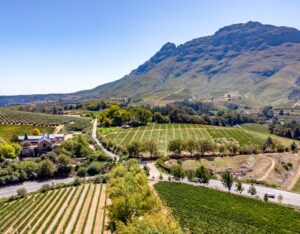
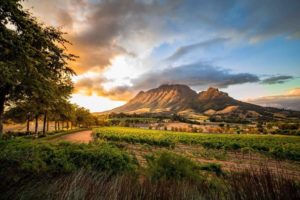
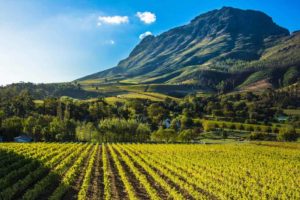
South Africa offers one of the most scenic and accessible wine journeys in the world: the Cape Winelands, a cluster of historic valleys within an hour’s drive of Cape Town, where Cape Dutch manor houses sit beneath dramatic granite mountains. Winemaking here dates to 1659, and the region today is known for old-vine Chenin Blanc, Cape Bordeaux-style reds, the local Pinotage, and cool-climate Chardonnay and Pinot Noir.
It is also remarkable value and easy to plan: estates are close together, many pair tastings with world-class restaurants, and hop-on tram and shuttle services mean you never have to choose between tasting and driving.
The Cape’s first wine was pressed on 2 February 1659 from vines planted by the Dutch East India Company’s Jan van Riebeeck, and the industry took a decisive turn when French Huguenots settled at the Cape between 1680 and 1690, leaving their mark especially at Franschhoek. Wine is regulated today under the Wine of Origin scheme, a French-style appellation system introduced in 1973. The signature landmark of that heritage is still open to visitors: Groot Constantia, founded by Cape governor Simon van der Stel in 1685, is South Africa’s oldest wine estate and has produced wine uninterrupted ever since.
The Cape Winelands fan out east and south of Cape Town:
A few historic estates make an ideal introduction (all open to visitors for tastings and tours):
RELATED: For a deeper local list, see our guide to the best Stellenbosch wineries and experiences.
The Cape Winelands are made for a day trip from Cape Town, and a guided tour is the standard way to visit — South Africa enforces a strict 0.05 g/100 ml drink-drive limit, so most visitors leave the driving to someone else:
The Cape harvest runs through the southern-hemisphere summer, roughly February to April, when estates host cellar tours and harvest festivals under warm, largely windless skies; spring (September to November) is a green, temperate alternative. Without a car, the Franschhoek Wine Tram and Stellenbosch hop-on/hop-off shuttles connect estates, and the “Cape Doctor” south-easterly wind keeps the vineyards healthy through the growing season.