Wine destination
Mexico is the oldest wine-growing country in the Americas, and today it is one of the most exciting places on the continent to taste.
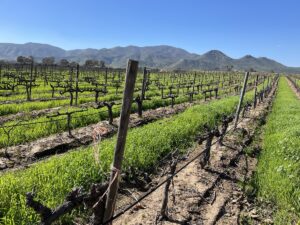
Mexico is the oldest wine-growing country in the Americas, and today it is one of the most exciting places on the continent to taste. European vines arrived with Spanish colonists in the 16th century, and the industry has since concentrated into a handful of high-desert and coastal valleys — above all Baja California’s Valle de Guadalupe, a Mediterranean-climate valley near Ensenada that alone accounts for an estimated 70% of the country’s wine.
For travelers, Mexican wine country pairs boldly with food, design and landscape: farm-to-table cooking, architect-designed tasting rooms and desert scenery are as much the draw as the Cabernet, Nebbiolo and crisp whites in the glass.
Winemaking in Mexico predates that of every other country in the Americas. The signature proof is still pouring: Casa Madero, founded in 1597 in the Valle de Parras, Coahuila, is recognized as the oldest winery in the Americas and remains in production today. Baja California became the modern center of quality wine in the 20th century, and in March 2025 Querétaro’s high-altitude wine country became the first Mexican region to receive an official Geographical Indication from IMPI.
Mexico’s wine map splits into three broad zones, each with its own character:
These established estates welcome visitors for tastings and tours (reserve ahead):
Most visitors base themselves in or near Ensenada and explore Valle de Guadalupe with a driver — the valley is rural and spread out, so a guided tour lets you taste without worrying about the roads. A few well-rated options:
Valle de Guadalupe sits about 113 km (70 mi) southeast of the San Diego–Tijuana border and 20 km north of Ensenada, an easy drive south from Southern California. The climate is Mediterranean — cool, wet winters and dry, warm summers — so summer visits are hot. The liveliest season is August, when the Fiestas de la Vendimia harvest festival fills the valley with tastings, concerts and regional cooking.