Wine destination
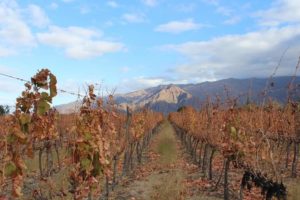
Argentina makes wine in the high desert at the foot of the Andes, and altitude is the through-line.
Argentina makes wine in the high desert at the foot of the Andes, and altitude is the through-line. Vineyards sit where little else grows, watered by Andean snowmelt and cooled at night by thin mountain air that keeps the wines fresh. The country is the world's fifth-largest producer, and one grape carries it: Malbec, a French variety that found its best home here.
Mendoza does most of the work — more than 60 percent of the country's wine and the majority of what it exports. The old heartland is Luján de Cuyo and Maipú, just outside Mendoza city, where Malbec has been planted longest. An hour or so south, the higher, cooler Uco Valley — Tupungato, Tunuyán and San Carlos, with vineyards climbing toward 1,500 meters — is where the modern, structured Malbecs come from.
North of Mendoza, Salta's Calchaquí Valleys hold some of the highest vineyards on earth: Cafayate sits near 1,700 meters, with a few sites above 3,000, and it is the home of Torrontés, Argentina's aromatic white. San Juan, the second-largest province, leans on Syrah and Bonarda in a hotter, lower landscape. Far to the south, Patagonia's Río Negro and Neuquén are cool enough for Pinot Noir and lighter reds.
Harvest runs February into April, concentrated in March. Fly into Mendoza city for the Malbec regions, or Salta city for the high-altitude north, where Cafayate is about three hours on.
Most trips start in Mendoza, the Malbec heartland at the foot of the Andes. Dive into our detailed guide: Mendoza wine country.
Argentina’s wineries pair serious wine with striking architecture and Andean views (reserve ahead — most visits are guided):
RELATED: For the full Mendoza list, see our guide to the best Mendoza wineries.
Guided tours make the most of Mendoza’s spread-out valleys and Salta’s long scenic drives: