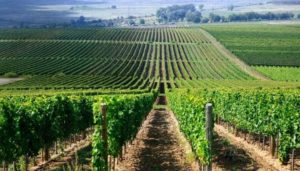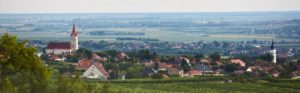
Wine destination
Hungary's wine is best known through Tokaj, the historic region in the northeast whose golden, botrytis-sweet Tokaji Aszú has been prized for centuries and is now a UNESCO World Heritage landscape.
Hungary's wine is best known through Tokaj, the historic region in the northeast whose golden, botrytis-sweet Tokaji Aszú has been prized for centuries and is now a UNESCO World Heritage landscape. Aszú is made from native grapes — chiefly Furmint and Hárslevelű — but those same varieties increasingly go into bone-dry, mineral whites that have become Tokaj's modern calling card.
Beyond Tokaj, the country is largely red-wine country. Eger, to the west, is home to Egri Bikavér — "Bull's Blood" — a robust blend usually led by Kékfrankos, the grape the rest of Europe calls Blaufränkisch. Villány, in the warm south, makes Hungary's fullest reds, while the volcanic hills above Lake Balaton turn out characterful whites. In all, 22 wine districts sit within six broader regions.
Budapest is the natural base: Tokaj is reachable on a long day trip or an overnight, and the city's own wine bars are the easiest introduction to Hungarian bottles. Harvest runs through autumn, later in Tokaj, where the sweet wines depend on grapes left to shrivel on the vine.
From Tokaj’s volcanic-tuff cellars to Villany’s bold reds, these estates welcome visitors for tastings and tours:
In the Winetraveler winery directory: Royal Tokaji Wine Company, Balassa Bor and TR Művek.
Budapest is the natural base; Tokaj and Eger are long day trips, while Etyek is close enough for a half day:
Budapest Ferenc Liszt Airport (BUD) is the gateway. Tokaj is about 2.5 to 3 hours east by train (direct from Budapest-Keleti) or by car on the M3; Eger is roughly 2 hours by train or car, and Villány in the far south is about 3 hours by car. Etyek, 30 to 40 minutes from the city, is the easy half-day. Within Tokaj the cellars cluster around the villages of Tokaj, Tarcal, Mád and Tolcsva, so a car or a guided tour makes the most of a day; the region’s small distances also suit cycling in the shoulder seasons.
Paprika-led dishes are the natural match: pörkölt (slow-cooked stew) or gulyás with an Egri Bikavér or Szekszárd Kékfrankos; paprikás csirke (paprika chicken with sour cream) with a dry Furmint or Olaszrizling; and Tokaji Aszú with foie gras (libamáj), blue cheese or the layered Dobos torta. In Tokaj itself, ask for the local száraz szamorodni, a dry, nutty style that pairs with almost anything savoury.
Compare hotels and vineyard stays across Hungary.