
Downtown Napa, the gateway to the Napa Valley, is the right place to start a Napa trip. For years it was the sleepy town visitors drove past on their way up-valley. Now it has a walkable mix of boutique shops, award-winning restaurants, a lively art scene, a bustling public market, outdoor adventures and, of course, wine tasting rooms. Some of the Victorian mansions from the late 1800s and early 1900s have been restored as small luxury inns, and more than 30 tasting rooms sit inside a 20-block area, each with its own way of doing things.
The advantage of urban tasting rooms is that they are close to one another. You can sip, sample and walk from spot to spot without getting behind the wheel. So park the car for a day or two and let us show you the best way to enjoy the Downtown Napa wine trail on foot. If you would rather let someone else do the driving for the vineyard side of the valley, the Napa Valley Wine Trolley departs from downtown and brings you back the same evening.
Downtown Napa at a glance
- Where: the 20-block center of Napa along the Napa River, at the southern gateway to the Napa Valley
- Tasting rooms: more than 30 within walking distance; 12 reviewed in this guide
- Time needed: three days to taste at eight to ten rooms, eat well and add one vineyard day
- Car: not needed downtown; park at your hotel and walk, or book a tour or the Wine Train for the valley
- Reservations: most rooms take walk-ins; a few, like Gamling and McDuck, are reservation only
- Best for: walk-in tastings, serious food, public art and a sunset gondola on the river
Day 1: Riverfront, Art and First Tastes
We arrived in Downtown Napa in the late morning, when the riverfront light was soft and the air still smelled of roasted coffee and baked pastries. Cyclists rode past us on the riverfront pathway while kayakers paddled upstream below. We pulled into the Napa River Inn parking lot and left the car where it would stay for the next several days.
Riverfront Promenade
We started with a walk along the Napa River, one of the prettiest stretches of Downtown Napa.
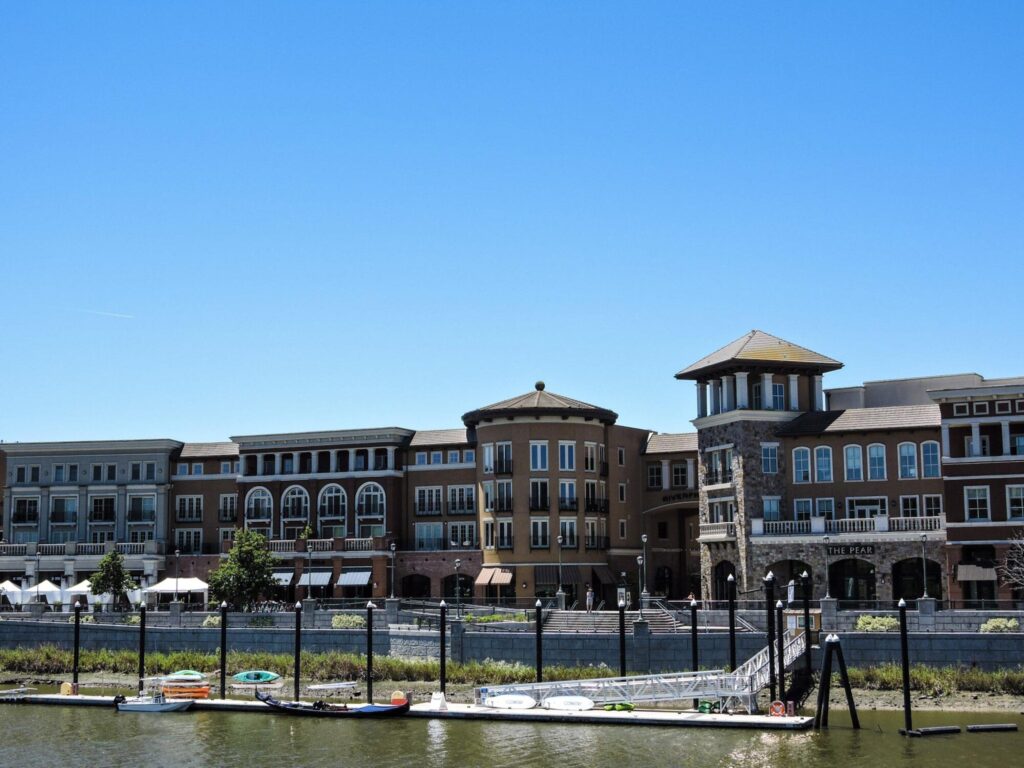
More than 15 years ago the city of Napa began a revitalization effort that included an ambitious flood control project to stop the floods that used to plague downtown. The riverfront is now the city’s crown jewel, with a paved path along the water and colorful outdoor sculptures.
ArBARetum: Cocktails and a Snack
Working our way into the city center, we were drawn to a lively spot called ArBARetum, on the corner of Coombs and First Street. This craft cocktail bar, run by Napa Valley Distillery, dazzles with photogenic pours made from house-distilled spirits, bitters and shrubs. We ordered gourmet nachos and margaritas, a good combination to kick off the day. After lunch we walked across the bridge over the Napa River to our first tasting.
WALT Wines
WALT Wines was a lively introduction to Downtown Napa’s tasting rooms. It sits across the street from Oxbow Public Market, and guests can taste inside or out. Inside there is a handsome bar and a few private spaces surrounded by modern art. Outside, patio tables sit under large blue-and-white umbrellas, with more seating on the porch above.
The winery specializes in Pinot Noir and Chardonnay but also produces a Champagne label, Michel Foch, which is made and bottled in Champagne, France, so it can carry the name.
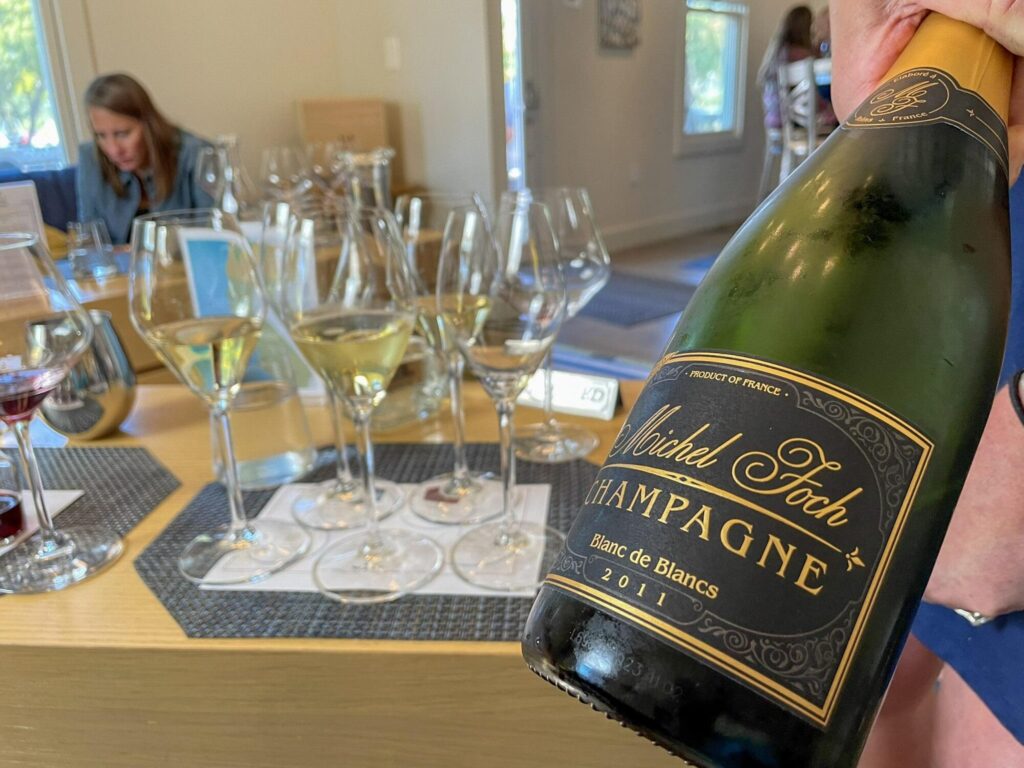
Courtney, our server, was a fine storyteller, covering WALT’s history, the Hall family’s decades of ownership and the French Champagne connection. Gary tasted four expressive Pinot Noirs representing a thousand miles of vineyard sites along the Pacific coast, from the Willamette Valley in Oregon to the Sta. Rita Hills in California.
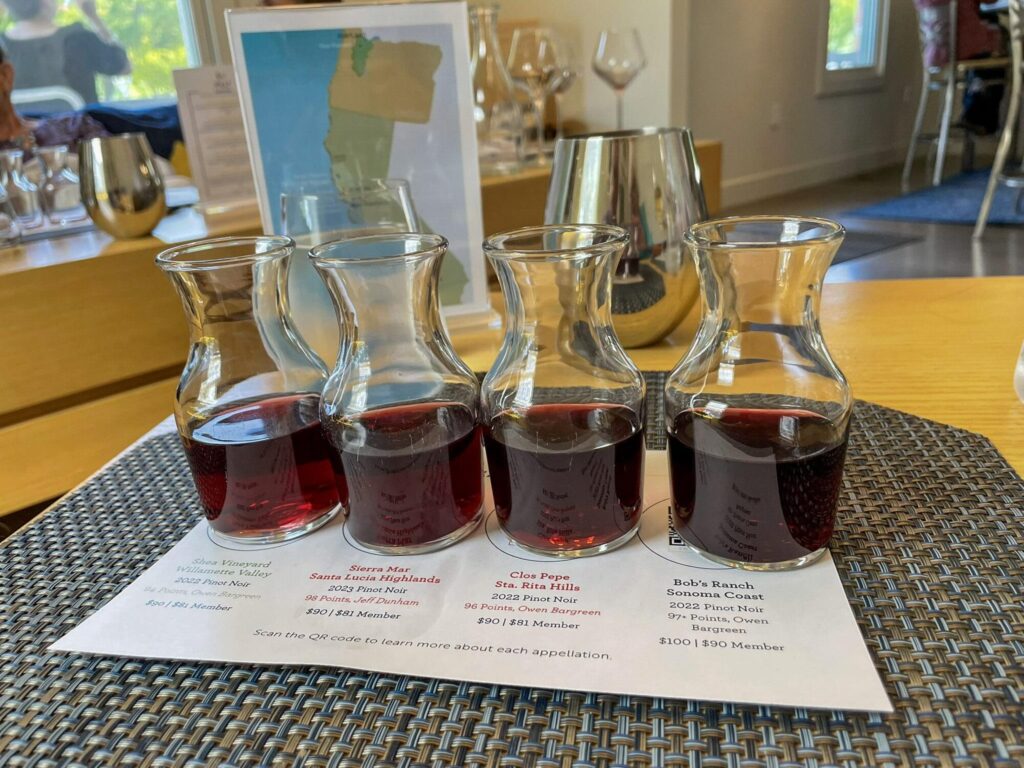
Each showed distinct aromas and a different finish, a clear expression of its region’s soil and climate. Pam tasted a flight of five Michel Foch Champagnes, some blends and some 100 percent Chardonnay, all with real character. A complimentary bowl of house-made kettle chips with crème fraîche brought out the Champagne even more.
Fess Parker
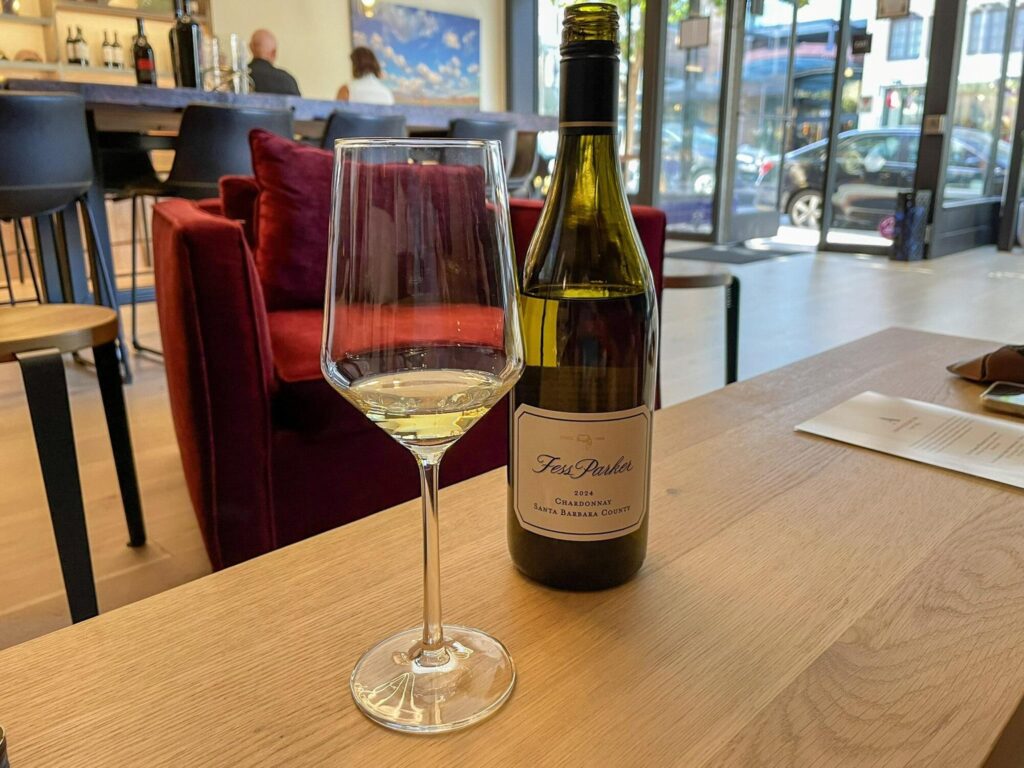
Our next stop was the recently opened Fess Parker tasting room on First Street, in the heart of downtown. It is a handsome, contemporary space that draws onlookers in from the sidewalk. A long backlit bar shows off the winery’s collection, and wooden tables and comfortable couches give you somewhere else to settle.
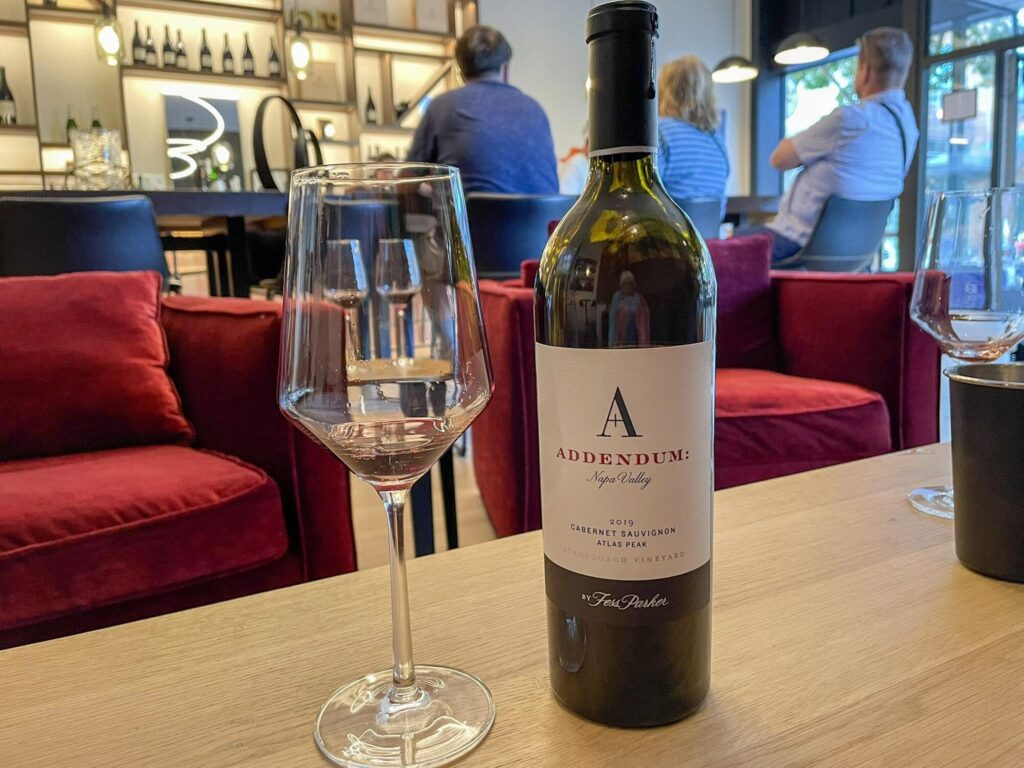
Fess Parker’s main winery is in the Santa Ynez Valley, but it also makes small batches of Bordeaux varietals from Napa Valley fruit, so the downtown room lets visitors taste the best of its Southern and Northern California wines in one sitting. There are three labels: the classic Fess Parker wines, Epiphany, started by Fess’s son, and the Addendum line of Cabernet Sauvignon. Guests can build their own flight of four wines from the family portfolio.
We each chose the Create Your Own Flight, two whites and two reds. As a bonus, our server, Ian, poured us a taste of the Addendum Cabernet Sauvignon, a true expression of Napa Valley.
Allegria
Allegria, on First Street, serves Northern Italian classics and seasonal California-inspired dishes inside a restored 1916 Bank of Italy building, with a deep wine list to match the setting. We had the Napa cabbage salad with crumbled bacon, mushrooms, chunky croutons, blue cheese and warm vinaigrette, and the cozze, oven-roasted mussels in a white wine sauce. A bottle of red from Montepulciano made the meal.
Day 2: Heritage Tasting Rooms and Slow Exploration
La Cheve Bakery and Brews
Do not miss breakfast at La Cheve, a much-loved Mexican restaurant in Napa’s oldest surviving building. The adobe was built in 1845 for Captain Don Cayetano Juárez and his wife, María de Jesús, who raised their 11 children here. Today it is a local favorite.
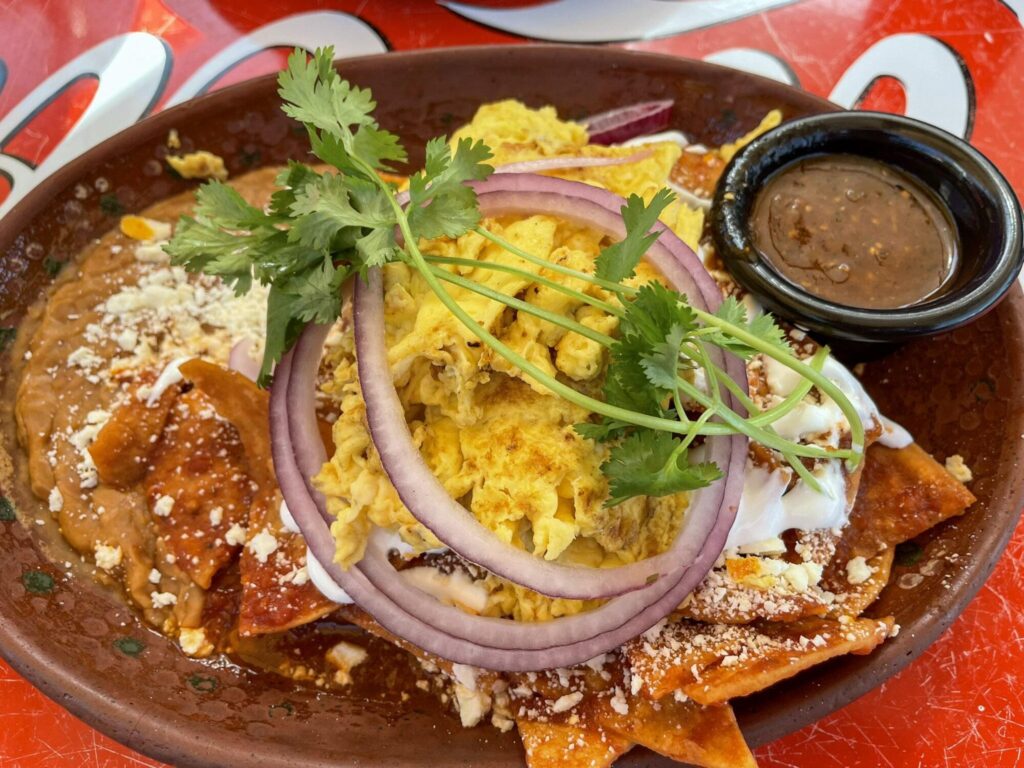
It is famous for its baked goods, but the generous breakfast plates are just as good. We ate outside on the patio: chilaquiles and the house La Llorona black margaritas. Everything is made from scratch, and worth the short wait for a table. Open Thursday through Monday.
Chuck Williams Culinary Arts Museum
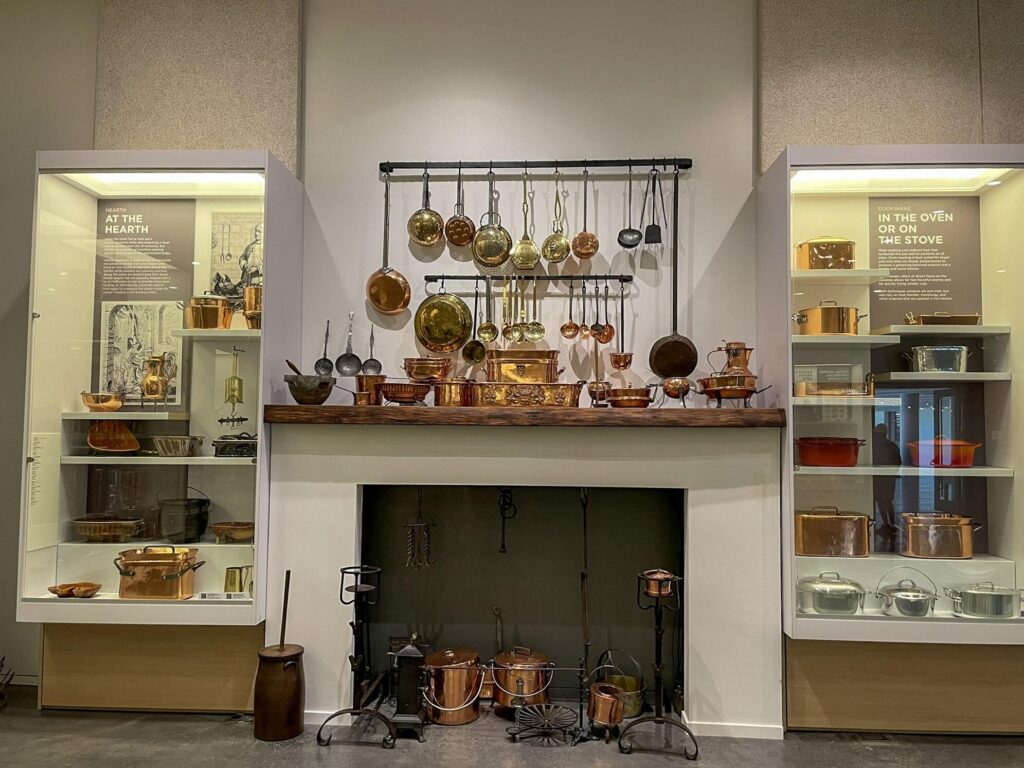
Downtown Napa is an underrated art city. There are outdoor sculptures along the Napa Art Trail, painted utility boxes, and the two-mile Rail Arts District. We started with the Chuck Williams Culinary Arts Museum, a collection most visitors walk straight past.
It holds more than 4,000 culinary artifacts from the personal collection of the Williams Sonoma founder, a celebration of the craftsmanship and history of cookware and kitchen tools. The museum is free, open to the public, and next door to the CIA at Copia, where cooking classes were in full swing.
Day two also took us to three of Downtown Napa’s heritage tasting rooms: Bazan Cellars, Alpha Omega Collective and Gamling and McDuck.
Bazan Cellars
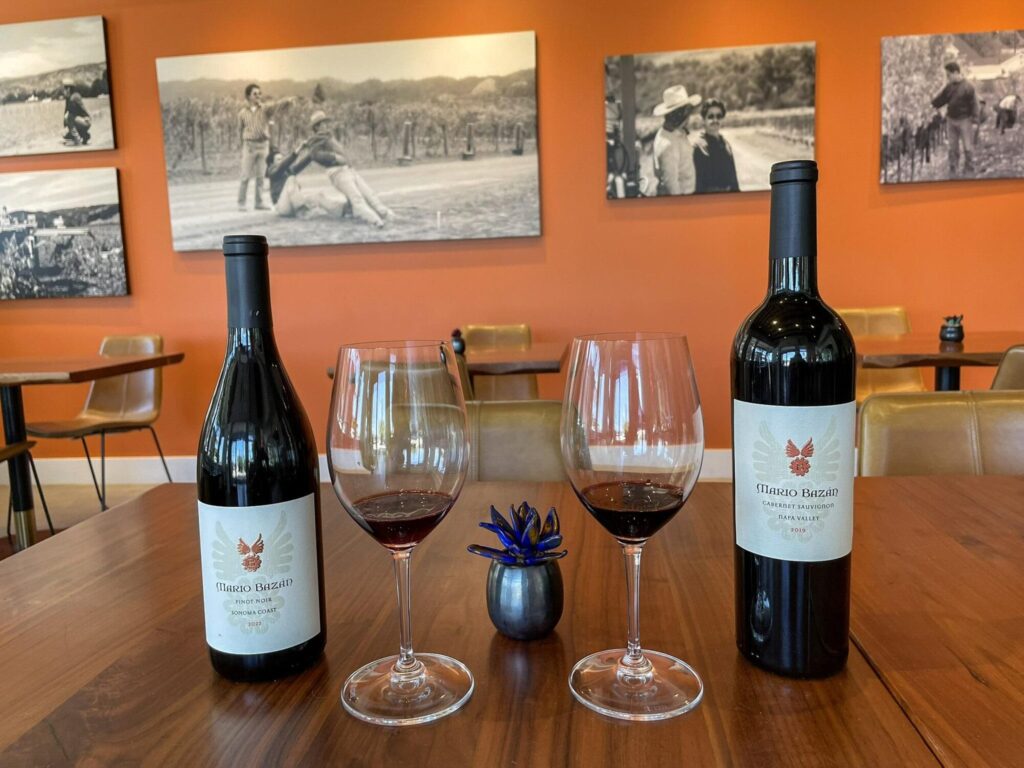
A local recommended Bazan Cellars on Main Street for the story behind it. Mario Bazan arrived in Napa Valley in 1973 as a general laborer and rose, over the years, to become one of the valley’s most respected vineyard managers, with sixteen years at Robert Mondavi Winery and a hand in replanting sections of the To Kalon Vineyard.
Now Mario and his wife, Gloria, run their own winery, best known for its Cabernet Sauvignon. On the day we dropped in, and yes, Downtown Napa’s tasting rooms really are that easy to drop into, Gloria joined us at our table and told us Mario’s story herself. Enlarged photographs of his early days in the vineyards line the walls of the small room. The wines were excellent, but hearing the history of Mario and early Napa made the visit.
Alpha Omega Collective
Dark wood dominates this classic walk-in tasting room on First Street. A long, polished bar runs along one side of Alpha Omega Collective, opposite large windows onto the street, and on the west side the windows open to outdoor seating, giving the room an open-air feel. The manager, Ben Prence, recognized us from a previous visit and set us up with a flight of five wines and a board of cheeses, crackers and nuts.
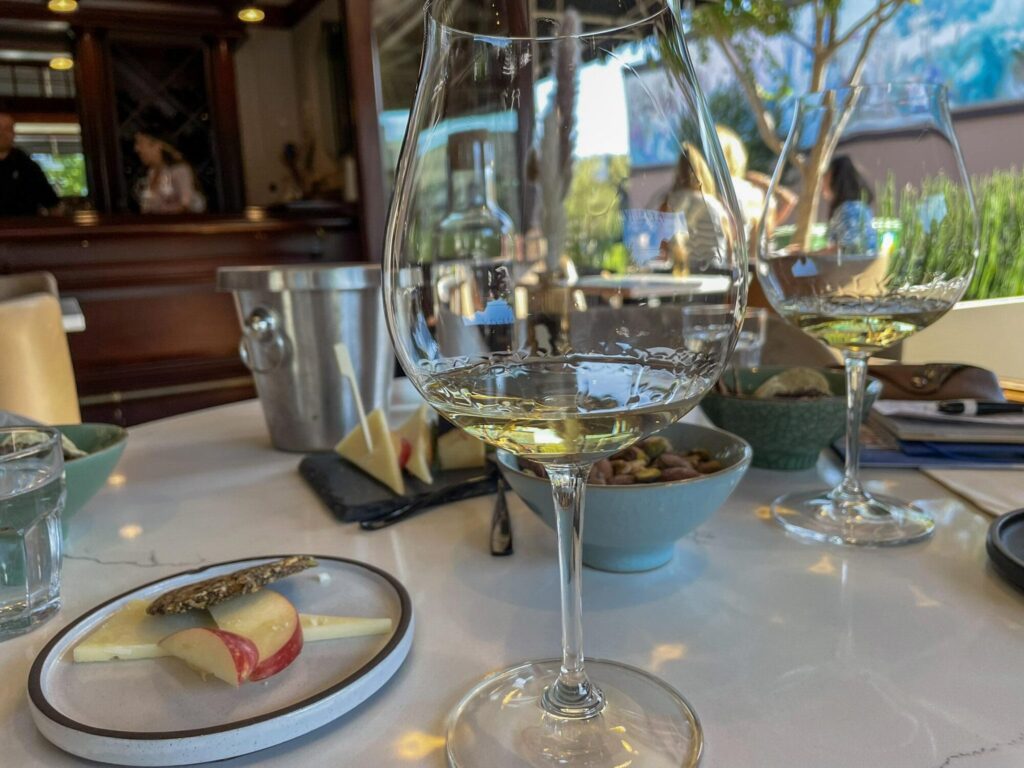
Pam is fond of Alpha Omega Chardonnay and was glad to taste the 2023 Napa Valley Chardonnay, the house classic. The 2023 Reserve Chardonnay, according to Ben, is ten levels up: all the aromas and richness of the classic, wrapped in a more elegant package with a longer finish.
Ben’s favorite red is the 2022 Cabernet Sauvignon from Stagecoach Vineyard on Atlas Peak, part of a single-vineyard series. The flagship is the Era blend, drawn from all of the winery’s single vineyards and built on 80 percent Cabernet Sauvignon with the other Bordeaux varieties.
Angèle Restaurant and Bar
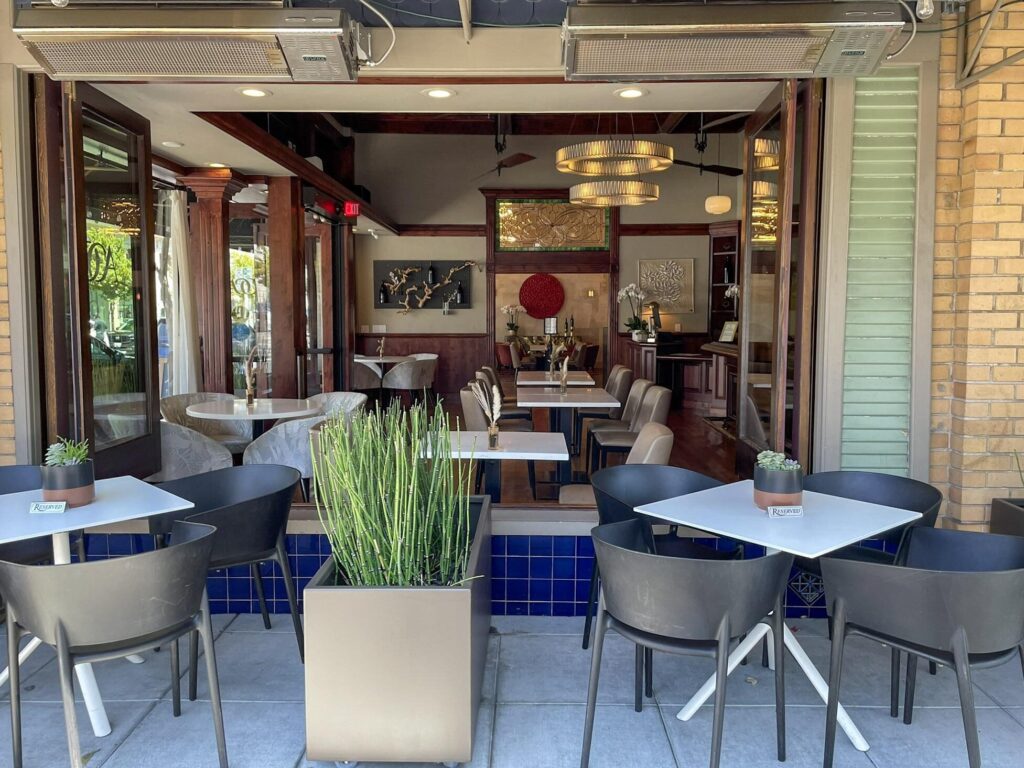
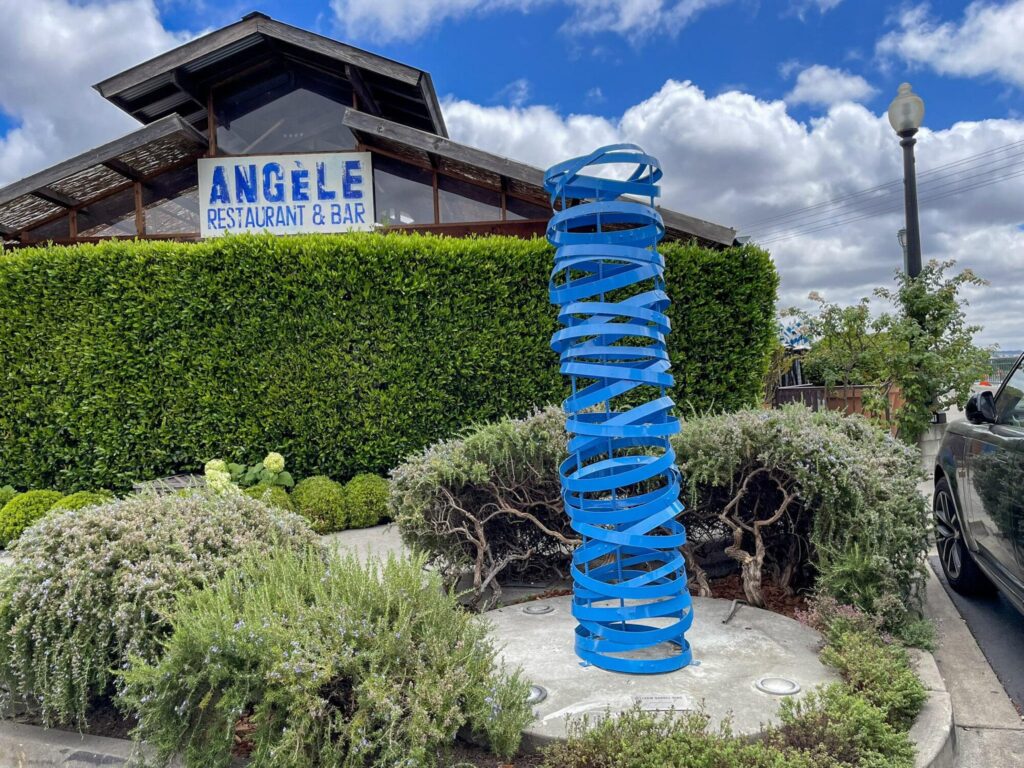
After two hours of tasting it was time to stretch our legs along the riverfront again. At its south end we found Angèle, a French country brasserie in a turn-of-the-century ship chandlery, done up in Provençal blue and white, with a cozy dining room and plenty of outdoor tables. We shared Prince Edward Island mussels, a classic salade niçoise and some sparkling wine to toast the day.
Gamling and McDuck
Gamling and McDuck makes only two varietals, Chenin Blanc and Cabernet Franc, under labels with whimsical names and good artwork: “Poor and in Love,” a Chenin Blanc, and “Do Not Sneak This Wine Into Movie Theaters,” a Cabernet Franc from an old, “beat to hell” vineyard in Mendocino.
The name is a pseudonym for Gabrielle Shaffer and Adam McClary, winemakers from Minnesota who opened the shop in 2008. Tastings are by reservation only and feel almost private, apart from the black “greeter cat” who may join you at the bar.
An Afternoon Beyond the Glass
Downtown Napa has a reputation as one of California’s most walkable wine destinations, but it is more than wine. It is an open-air art museum you can cover on foot. The Napa Art Walk, a rotating biennial sculpture exhibit, runs through the downtown streets, and a utility box project has wrapped about 20 boxes in artwork.
This afternoon we headed to an underappreciated display just outside downtown, the Rail Arts District Napa, or RAD Napa: two miles of large-scale murals along the Napa Valley Vine Trail, the walking and biking path that runs beside the start of the Napa Valley Wine Train tracks.

Cole’s Chop House
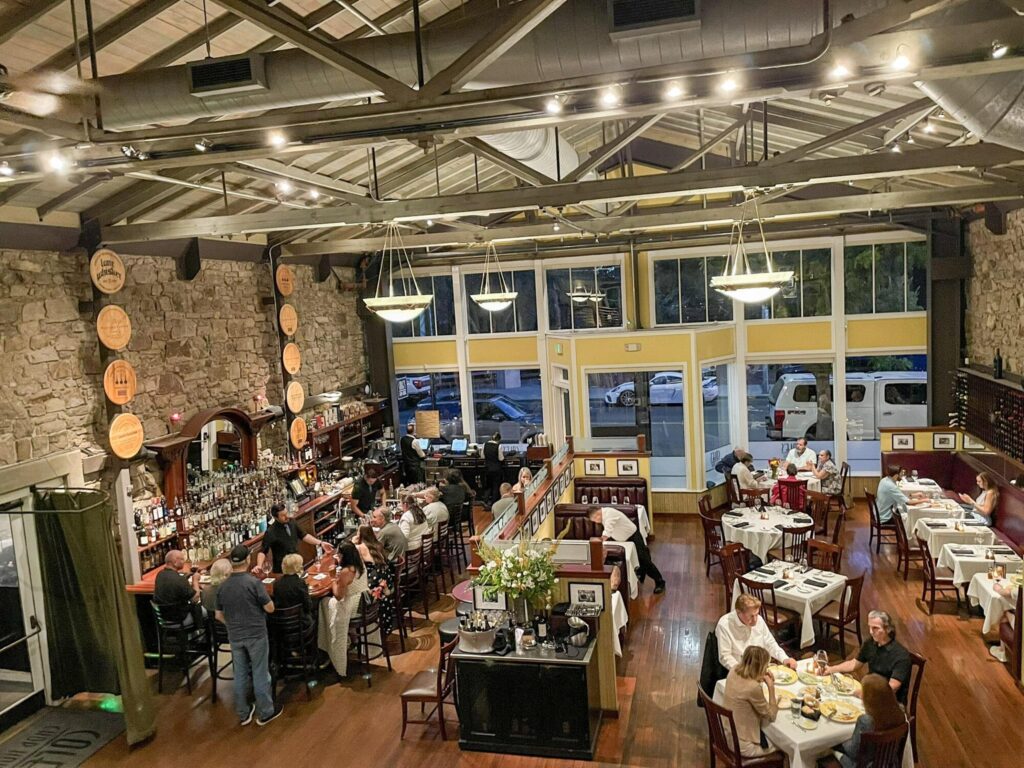
Cole’s Chop House occupies a historic two-story building downtown. Exposed stone walls, warm lamplight and a gleaming mahogany bar give it the feel of a classic American novel, the kind of room where time slows and the clink of glassware becomes part of the charm.
We began at the bar, where the bartenders work with the quiet confidence of people who know their craft. The cocktail list leans traditional: Manhattans, Old Fashioneds and whiskey-forward classics, built from a serious back bar that lines the shelves like amber jewels.
Once seated, we followed our own steakhouse rule and ordered what they are famous for. The Black Angus filet mignon arrived perfectly seared and tender enough to cut with a sigh. Cole’s is also known for its Chop House hash browns, a side that sounds too humble for a fine dining room until you taste it. The couple beside us had come specifically on the strength of the hash browns’ reviews. We ordered them too: crisp, buttery, dangerously addictive, and enough for four. Reservations are strongly recommended.
Day 3: New Discoveries and Old Favorites
Grace’s Table
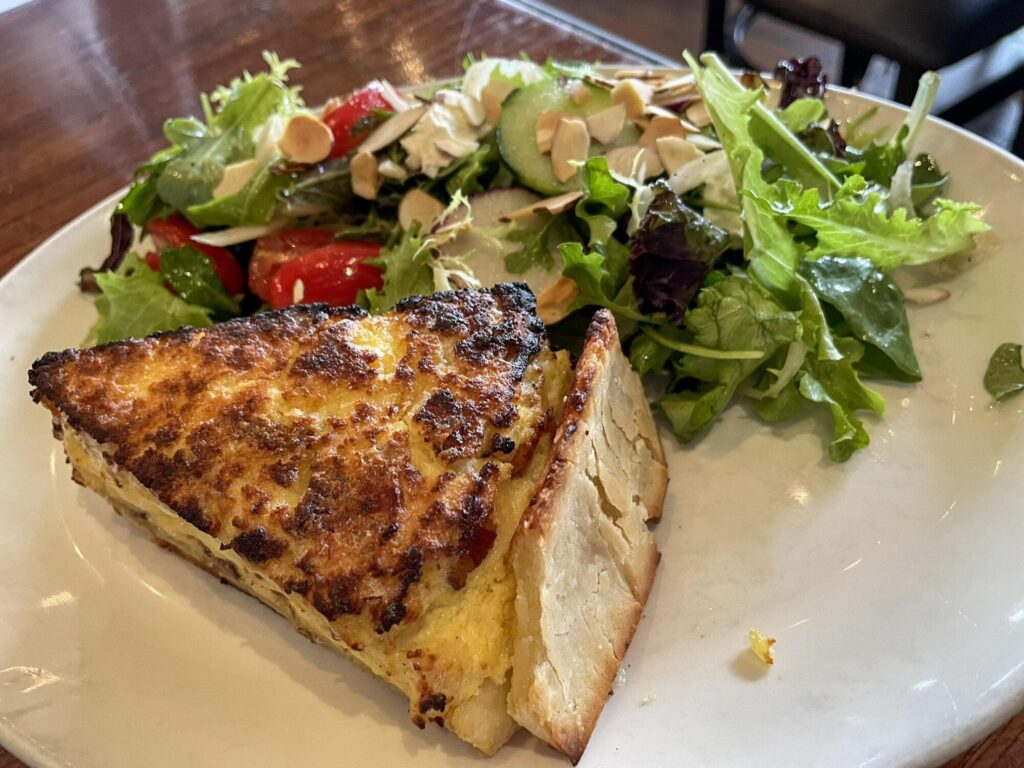
Grace’s Table holds a Michelin Bib Gourmand, and locals and visitors stream in for global dishes made from local ingredients, farmers’ market finds with bold, clean flavors. We came for breakfast. Gary ordered the quiche, a slice big enough for two, with a green salad or fresh fruit on the side. Pam had the chilaquiles. If you are feeling brunchy, order a glass of sparkling wine. You are in wine country, and your car is parked for the duration.
Maison Fayard
Our first tasting of the day was at Maison Fayard. The room is intimate and pours wines from vineyards across Napa Valley and beyond. Winemaker Julien Fayard makes wine under his own label and also serves as winemaker for 23 boutique wineries, and the wall of bottles lining the room shows how many wines he makes and carries. A Coravin preservation system lets the room open far more wines for tasting than most.
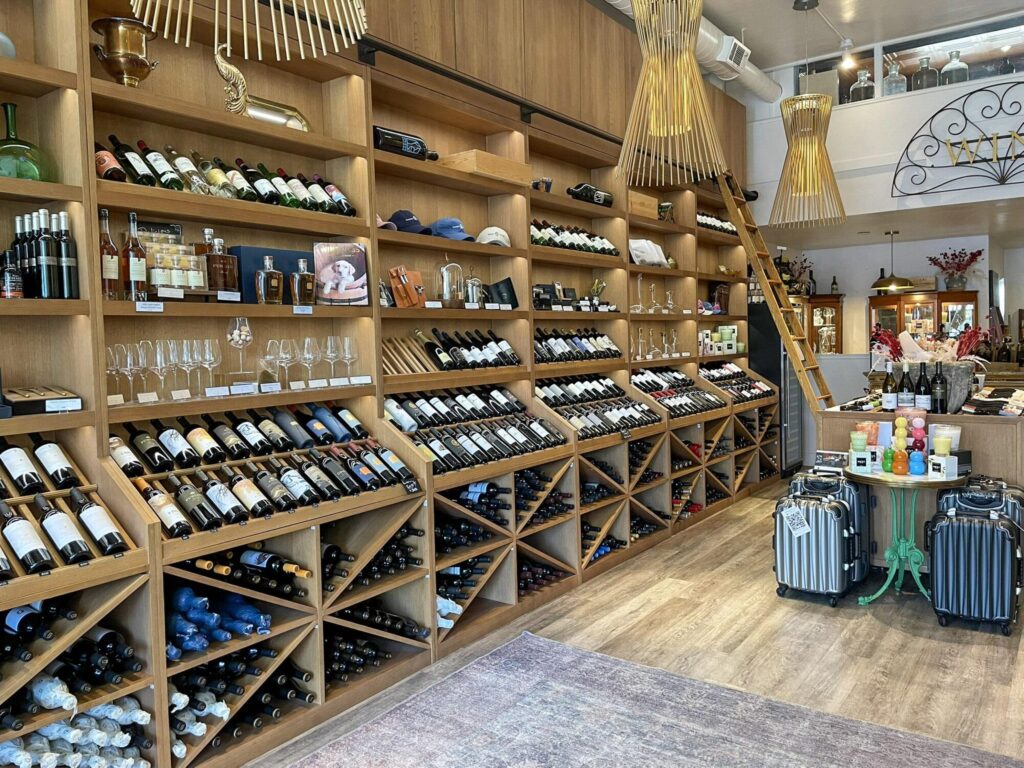
Fayard grew up in Provence, and his first wine was a Provençal-style rosé. A surfboard on the wall nods to the surfing he took up after moving to California. The tasting is built around a conversation: Desiree, our server, began by asking what we drink at home and what we were looking for in Napa.
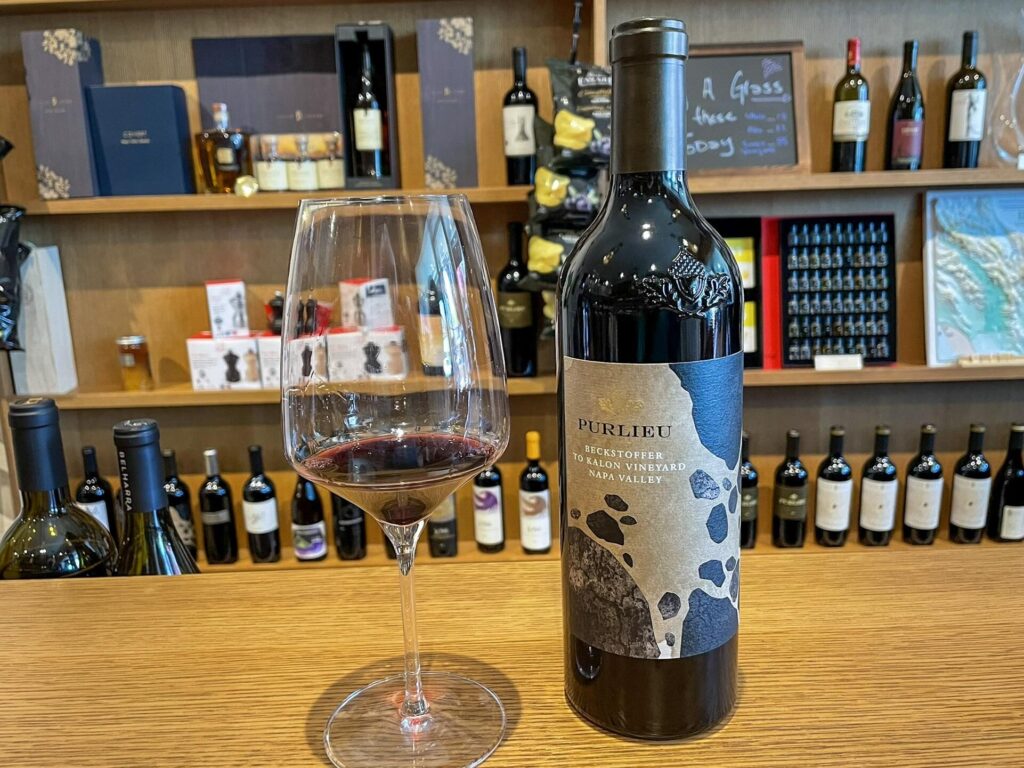
We started with Just Pink, made in France and honestly one of the best rosés we have tasted. Next came a 2025 Viognier, Les Vins Julien, from Alder Springs Vineyard in Mendocino County, bright and crisp with a saline edge. We moved to reds and finished with a 2022 Purlieu Beckstoffer Napa Valley Cabernet Sauvignon from To Kalon Vineyard, layered and aromatic. We finished every drop.
Oxbow Public Market
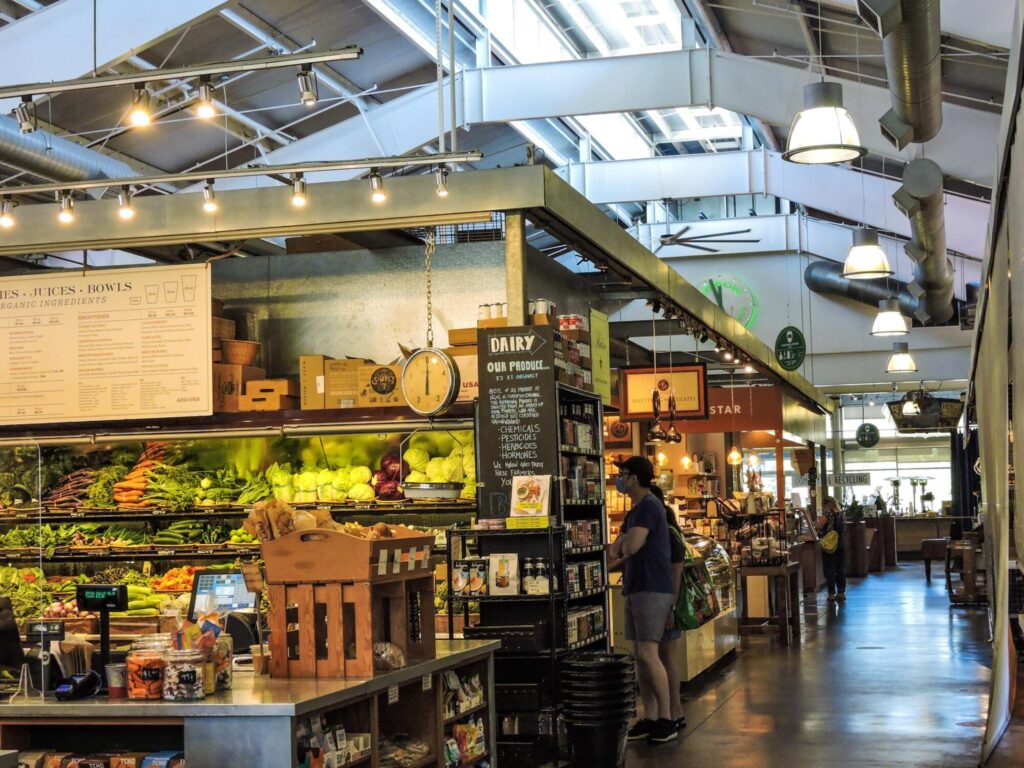
Oxbow Public Market is a 40,000-square-foot culinary hub on First Street. It opened in 2007 and set off the revitalization of downtown. We counted 22 owner-operated merchants selling handmade cheese, fresh baked goods, charcuterie, chocolate and sandwiches, plus regional favorites like oysters from Hog Island Oyster Co. and the Hudson Greens and Goods grocery stand for local produce, olive oil, meat, eggs and preserves. It hums with locals and visitors wandering stall to stall. The Napa Valley Wine Train also boards a short walk from here; its gourmet lunch journey is the classic way to see the valley without a car.
Gott’s Roadside
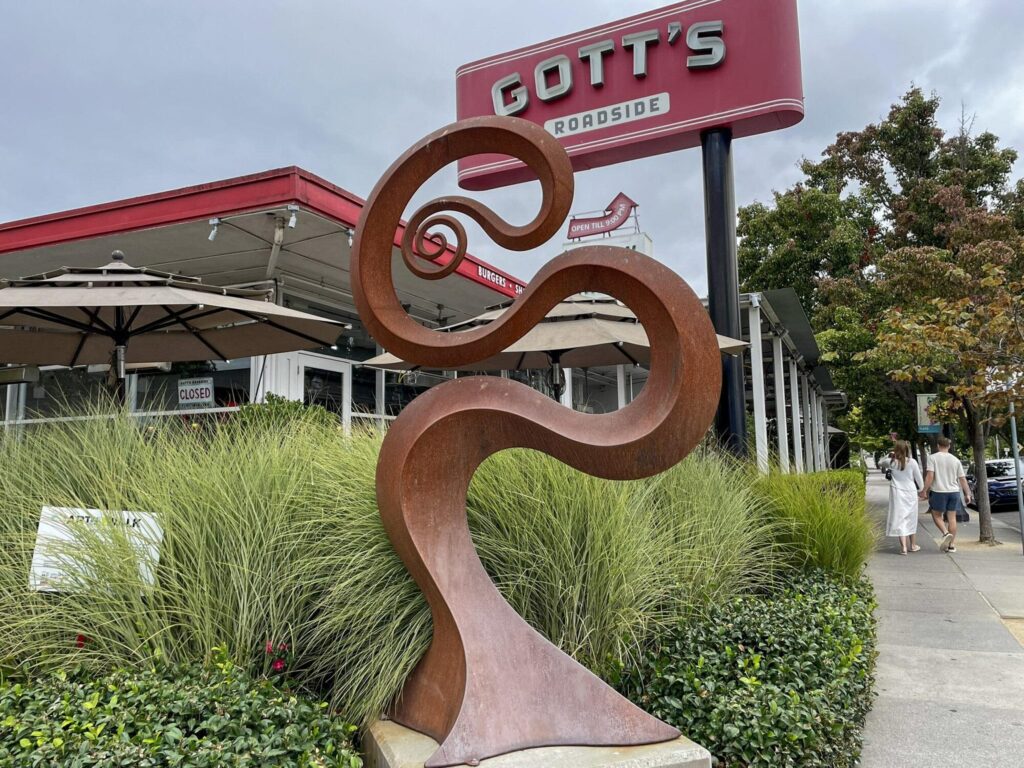
Gott’s Roadside is a Napa Valley icon and a James Beard award winner, recognized for its modern take on American roadside classics. The original Napa location is next to Oxbow and fills fast at lunchtime. We ordered the California burger, topped with a fried egg, Zoe’s bacon and balsamic onions, with a serious side of fries. The menu goes well beyond burgers, with a California-focused wine and beer list.
Olivia Brion and Cantadora Wines
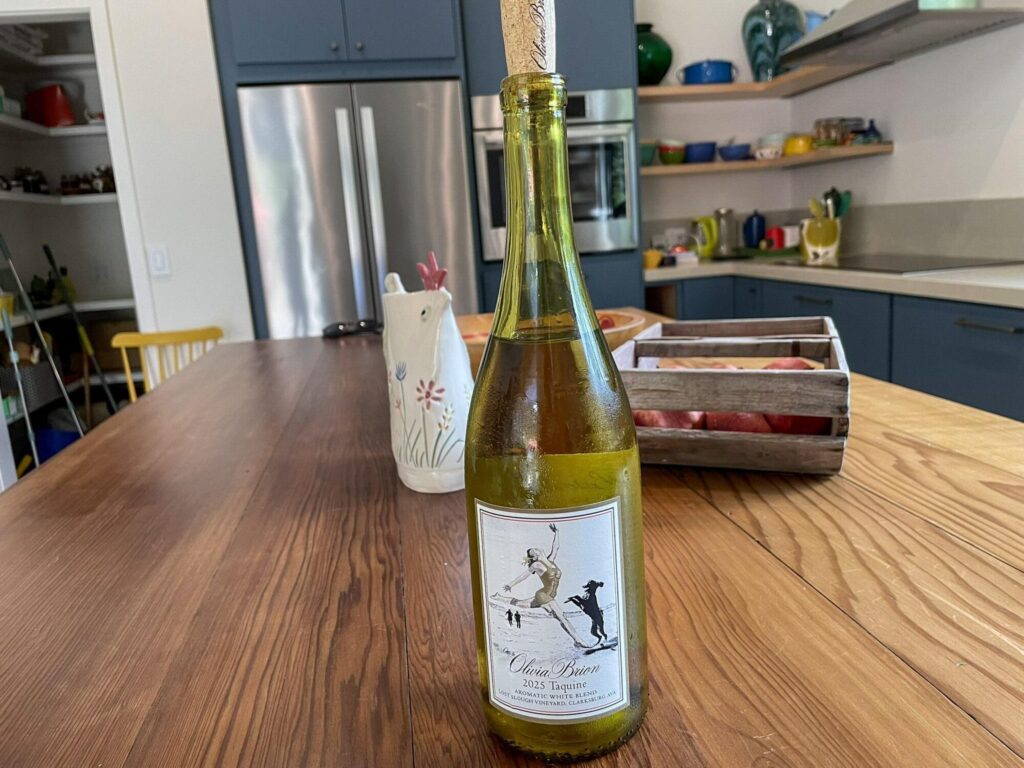
Olivia Brion and Cantadora Wines is the work of winemaker and proprietor Kira Ballota. Her Olivia Brion label and its colorful artwork follow a fictional woman of the early 1900s, and each wine tells a chapter of her story, inspired by real trailblazing women.
The label on the 2025 Taquine, a white blend of Cortese and Falanghina, shows Olivia about to be arrested for a swimsuit that is too small, a scene borrowed from Annette Kellerman, who invented athletic swimwear for women. Other labels draw on Effie Hotchkiss, the first woman to ride a motorcycle across the country, and Annie Cohen Kopchovsky, the first woman to ride a bicycle around the world. The wines are as fanciful as the labels.
The Cantadora label celebrates exceptional women of today, and Ballota gives 10 percent of Cantadora sales to a community organization of each woman’s choosing. The Cantadora wines tend to be rich and opulent.
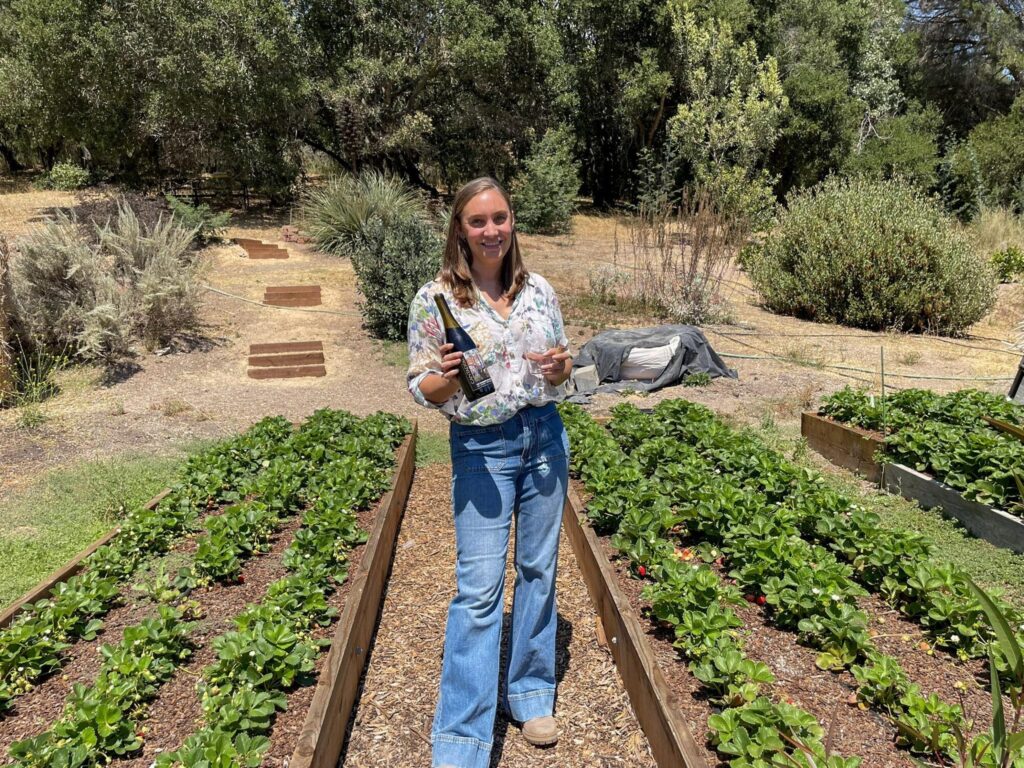
Her tasting room is in the Vin en Noir wine collective on Caymus Street, and she recently added a second venue at Tom Girl Farm, a regenerative organic farm on the edge of downtown, where a farm walk is part of the tasting. We picked lemongrass in the garden, rubbed it on our fingers and then tasted the Taquine, which brought out its floral side, then paired it with honeysuckle, ripe golden raspberries and lantern flowers. Whichever venue you choose, Ballota’s personality and her wines will win you over.
Napa Valley Quilt
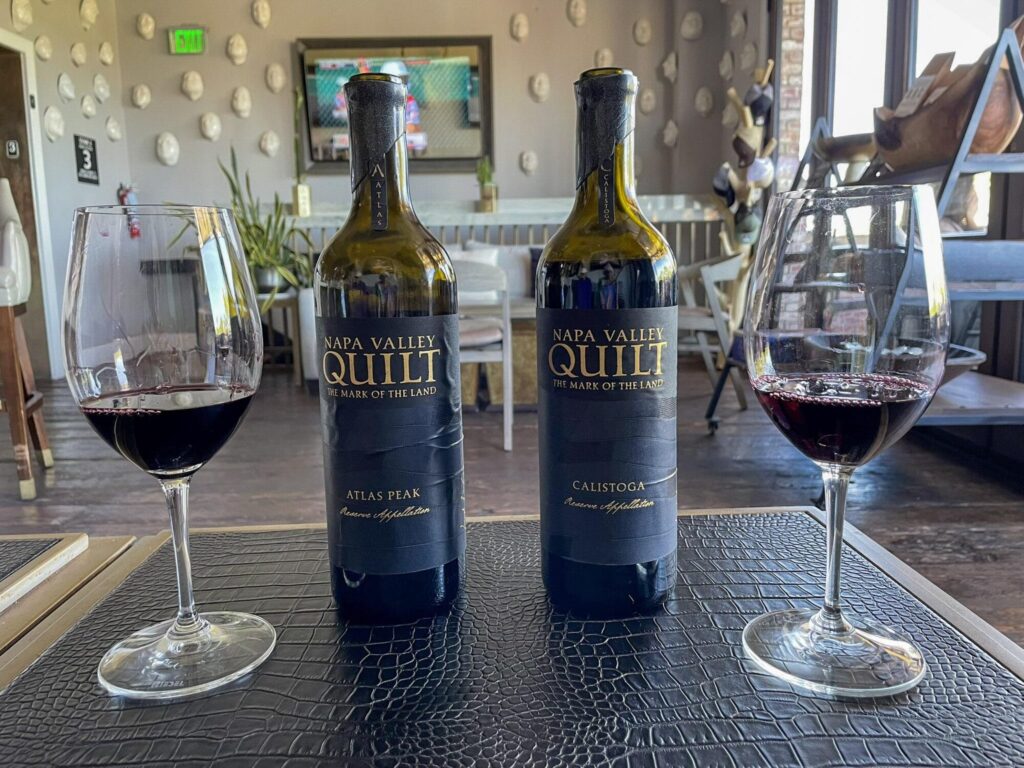
Fifth-generation Napa Valley winemaker Joe Wagner started Quilt. His father, Chuck Wagner, co-founder of Caymus Vineyards, encouraged each of his children to find their own path in wine. Joe began with a block of Pinot Noir because his grandmother loved it, and now makes wine from a wide range of vineyards across Napa Valley and California’s coastal regions.
The Quilt tasting room on Main Street has sidewalk tables, a first-floor lounge where bands play in the late afternoon, a rooftop patio and the glamorous upstairs tasting room. The 2024 Araciel Albariño, from Santa Maria Valley fruit, is aromatic, crisp and refreshing. The 2019 Napa Valley Quilt Cabernet Sauvignon is the house favorite: bold, full of dark berries and dried apricot, with cocoa notes and a big finish.
BOA Steakhouse
BOA Steakhouse, at 1075 California Boulevard inside the Casa Mani Resort, is one of downtown’s newest restaurants and a classic American steakhouse in feel. An outdoor patio flows into the dining room, and the bar, lit from behind by shelves of bottles, is where we waited with cocktails for our table.
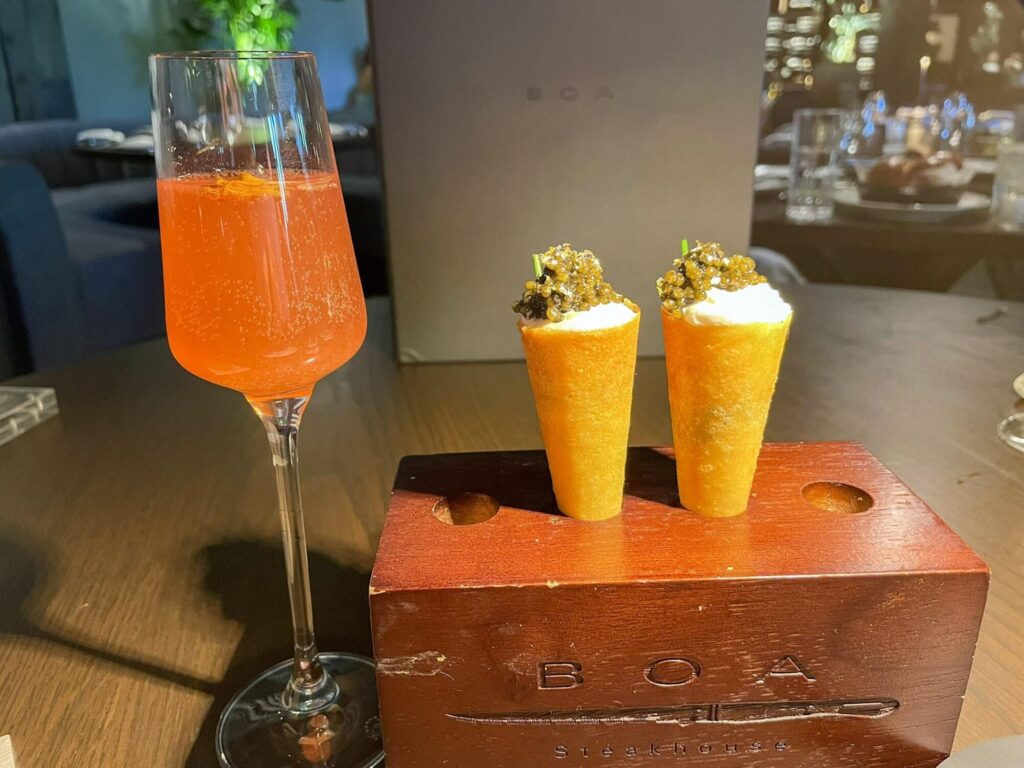
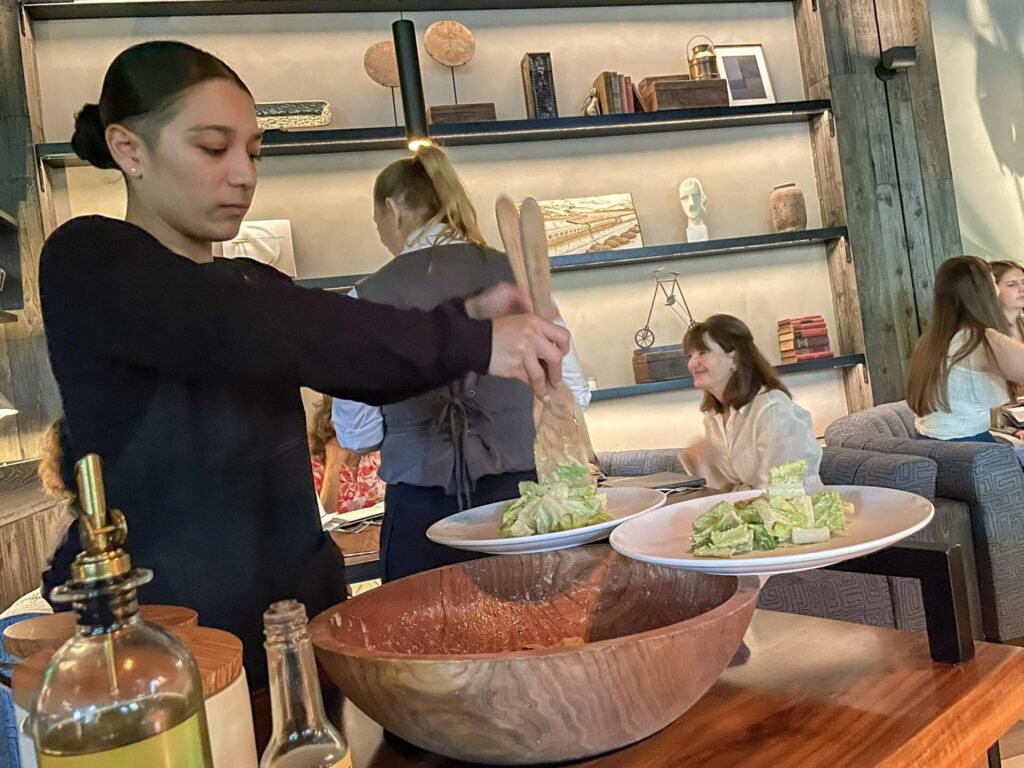
The menu runs from steak and seafood to classics like chicken parmesan, backed by a wine program heavy on Napa Valley with labels from around the world. Our sommelier suggested a glass of Spottswoode Sauvignon Blanc for the starters. We ate caviar cones filled with chives and crème fraîche while our server prepared the tableside Caesar salad, a favorite here.
Pam chose the petite filet of American beef; Australian and Japanese Wagyu are also on the menu and highly recommended. Gary had Hokkaido scallops served on the shell with roasted asparagus, and we tried a dish new to us, a corn crème brûlée. Gary drank the El Molino Pinot Noir and Pam the Frank Family Cabernet Sauvignon. A shared slice of chocolate cheesecake and a glass of sparkling wine finished our last dinner in Downtown Napa.
A Sunset Gondola Ride
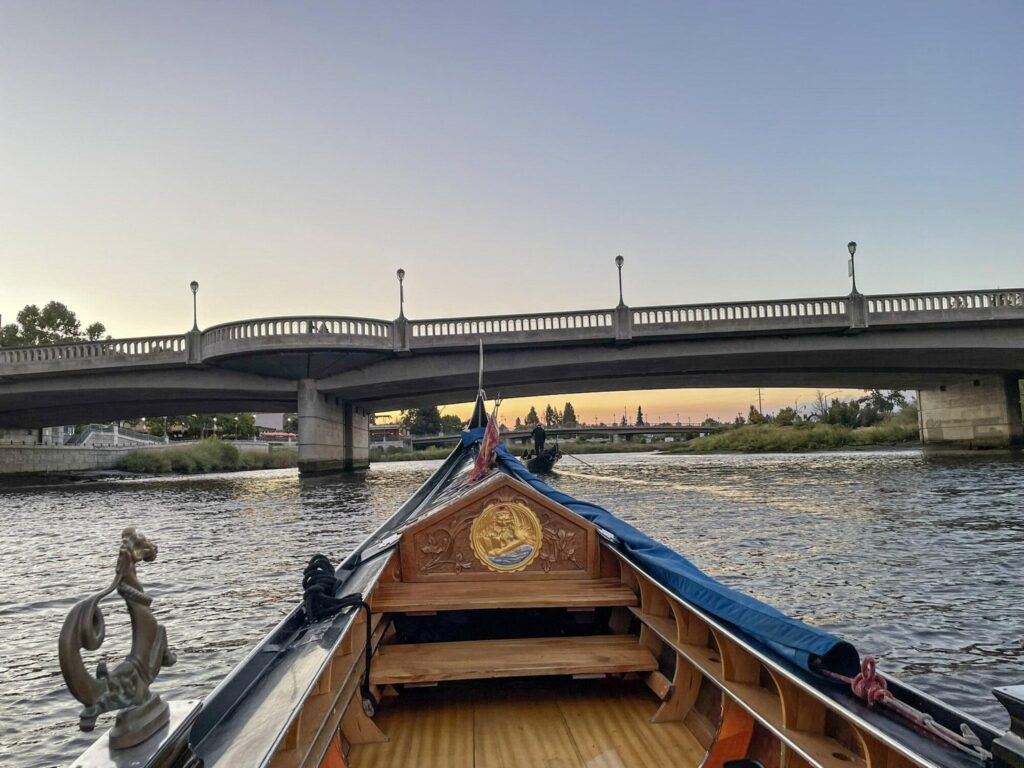
For a romantic finish we booked a sunset cruise with Napa Valley Gondola, which launches from the Main Street Dock in front of the riverfront. This is not any river cruise; it is an authentic Venetian gondola. By the time we walked down the ramp, the wind had dropped and the water was still.
Our gondolier, a cheerful young man in a straw hat and striped shirt, helped us into the 1,300-pound, 36-foot boat, its floor lit by lanterns on both sides, and handed us a blanket as the sun set and the chill crept in. He pushed off into the gentle current, and as we glided under the Third Street and First Street bridges he found the acoustics right for Italian love songs. The water shimmered as the lights of downtown came on along the shore, and then he turned us back toward the dock.
Recommended Tasting Rooms in Downtown Napa
Downtown Napa has more than 30 tasting rooms, from boutique wineries to well-known producers to wine collectives, all within walking distance. Several offer small bites and charcuterie boards. Many take walk-ins and stay open later than the valley wineries. Each name below links to our directory page for the room, with hours, ratings and a map.
The tasting rooms in this guide, all within a 20-block walk of one another · tap a pin for the directory page. Map data © OpenStreetMap.
- Alpha Omega Collective: elegant tasting room with outdoor seating, best known for its Chardonnay and Cabernet Sauvignon.
- Bazan Cellars: casual, husband-and-wife owned and operated, with personal tastings of limited-production wine.
- Brown Downtown: a stylish room, warm hospitality and the Brown Estate heritage Zinfandel.
- Fess Parker: a dramatic tasting bar pouring some of the best Santa Barbara Pinot Noir alongside its Napa Valley Cabernet Sauvignon.
- Gamling and McDuck: two winemakers with a sense of humor and two varietals, Chenin Blanc and Cabernet Franc. Reservations only.
- Maison Fayard: one of the most comprehensive and personal tastings downtown, with wines from 23 boutique wineries in a tasting room and bottle shop.
- Mayacamas Downtown: an industrial-chic urban room for the Mount Veeder estate’s age-worthy, classically styled wines.
- Olivia Brion and Cantadora Wines: wines inspired by women in history, made by a woman winemaker, in small lots.
- Napa Valley Quilt: a top-floor tasting room and rooftop patio with views, from a fifth-generation winemaker working Napa Valley and the California coast.
- Rebel Vintners: a collective of three local vintners in a classic, historic setting. A favorite with locals.
- Vintage Sweet Shoppe: half candy shop, half tasting room. The wine-and-candy pairing is the order.
- WALT Wines: a Pinot-focused flight from vineyards spanning Oregon to Southern California, plus Champagne made in France, in a repurposed house across from Oxbow.
Wine Tours From Downtown Napa
The tasting rooms are the walking part of a Napa trip. For the vineyard part, these tours leave from or near downtown and bring you back without anyone driving. Booking is through Viator; the ratings and prices are theirs and can change. We earn a commission on bookings at no cost to you.
The most-reviewed way to see the valley from downtown: an open-air trolley to four wineries with tastings and a catered lunch, so nobody in your group drives.
Check availability on ViatorThe highest-rated full day on this list: a small group, several winery visits and tastings, and a guide who handles the logistics.
Check availability on ViatorThe classic: a multi-course lunch aboard restored vintage rail cars on the tracks that run north from downtown, a short walk from Oxbow Public Market.
Check availability on ViatorA three-hour tasting class with a Napa sommelière that makes the next day of tasting rooms more rewarding.
Check availability on ViatorWhere to Stay in Downtown Napa
A hotel downtown lets you park the car and cover the city center on foot. These are three of our favorites.
Andaz Napa
An upscale hotel with 141 rooms and suites, 91 of them suites designed to feel more like home than a hotel room, with hardwood floors, marble bathrooms with soaking tubs and floor-to-ceiling windows. Breakfast at the Andaz Farmers Table is the way to start the day. Booking.com guest score 9.1.
Check availability on Booking.comArcher Hotel Napa
An upscale boutique hotel inside the First Street shopping district, surrounded by designer shops, restaurants and tasting rooms, and directly across from one of our favorites, Alpha Omega Collective. The rooftop Sky and Vine bar is the place for a drink with views over downtown and the valley. Booking.com guest score 9.0.
Check availability on Booking.comNapa River Inn
A luxury inn in the historic Napa Mill on the riverfront, with rooms spread across three buildings dating to 1884 and a mix of fireplaces, patios and river views. This is where we left the car for the whole stay. Booking.com guest score 9.1.
Check availability on Booking.comWhere to Eat in Downtown Napa
Downtown Napa is a food town. Kenzo Napa holds a Michelin star for its kaiseki-style menu built on fish flown in daily from Japan, Chef Morimoto runs two restaurants in Riverfront Plaza, Morimoto Napa and Morimoto Asia, and the Culinary Institute of America keeps a campus downtown. A few more favorites, by meal:
Breakfast
- Model Bakery: two locations, on First Street and inside Oxbow Public Market, for some of Northern California’s best baked goods. Breakfast sandwiches and fresh pastries make it the ideal morning stop.
- Grace’s Table: a Michelin Bib Gourmand restaurant open for breakfast, lunch and dinner, and our pick for brunch: pulled pork and egg tacos, homemade quiche and fresh cinnamon rolls.
- La Cheve: in downtown’s oldest building, with a devoted crowd for its hearty breakfasts. Order the chilaquiles and a La Llorona black margarita on the rustic patio.
Lunch
- Oxbow Public Market: sit-down meal, hot dog (yes, a hot dog) or sushi, it is all here under one roof.
- Gott’s Roadside: next to Oxbow, with a line out the door around noon. We go for the California burger with egg, bacon and balsamic onions.
Dinner
- Allegria: Northern Italian classics and seasonal California dishes inside the restored 1916 Bank of Italy building on First Street. Locals pack it.
- Celadon: “global comfort food” in the historic Napa Mill on the river, with an old-world courtyard for dining. Open for brunch and dinner.
- Cole’s Chop House: the classic steakhouse, known for steak, seafood and those hash browns. Start at the bar, then move upstairs.
- Scala Osteria: Southern Italian, seafood-led cooking in the heart of the shopping district, with painted brick, wood floors and a good list of cocktails and wines by the glass.
A Place to Return To
Some places win you over instantly; others reveal themselves slowly. Downtown Napa does both. Its charm is in small, casual tasting rooms where walk-ins are the norm. There are no vineyard views, but the riverfront and the sheer range of wines from dozens of vintners more than make up for it.
In a time when the country feels fractured, the walkability of urban wine tasting reminds us how easily shared pleasures bring people back together. Wine has become a small act of steadiness, something to hold, sip and savor when so much else feels uncertain. What stood out most on our visits was the sense of community. Tasting-room teams know one another, trade stories and support each other’s wines like family.
With more than 30 tasting rooms, you cannot cover Downtown Napa in a single trip. A few days only scratch the surface, but they are enough to make you want to come back again and again.
Downtown Napa Wine Tasting: Frequently Asked Questions
Can you walk to wine tasting rooms in Downtown Napa?
Yes. More than 30 tasting rooms sit inside a roughly 20-block area of Downtown Napa, most of them on or near First, Main and Second Streets, so you can taste at several in a day without driving. Park once at your hotel and walk; the Napa River Inn, Andaz Napa and Archer Hotel Napa are all in the middle of it.
Do Downtown Napa tasting rooms require reservations?
Many take walk-ins, which is the big advantage over the valley wineries. A few, such as Gamling and McDuck, are reservation only, and small rooms fill on weekend afternoons, so book anywhere you have your heart set on and walk in elsewhere.
How many days do you need in Downtown Napa?
Three days is comfortable: enough for eight to ten tasting rooms at an easy pace, the Oxbow Public Market, the riverfront and the Rail Arts District, plus one vineyard day on a tour or the Wine Train. A single day still works for four tasting rooms and lunch.
What is the best time of year to visit Downtown Napa?
Harvest, from late August into October, is the busiest and most atmospheric, with the warmest weather. Spring brings green hills and smaller crowds. Downtown tasting rooms stay open year-round and later than the wineries, so even a winter weekend works well.
Can you get to Downtown Napa without a car?
Yes. The Vine Transit bus connects Napa with the Vallejo ferry terminal, which has ferries to San Francisco, and tours such as the Napa Valley Wine Trolley and the Wine Train depart from downtown, so a car-free trip is realistic.