
Last Updated on December 13, 2019.
Learn About Carmenere Wine and Where This Unique Grape Originated From
Carménère is a medium bodied savory red wine originating from France, but now predominantly produced in Chile. The name for the grape was derived from the French word for crimson “carmin” referring to the bright crimson autumn leaves of the vines prior to leaf fall.
It was originally planted in the Medoc region in France and occasionally used in small percentages in Bordeaux blends. Carménère was largely abandoned in France due to its poor fruit set and unreliable yields after the threat of phylloxera in the 19th century. Around this time, Carménère was brought to Chile and originally planted amongst other varietals, including Merlot. It was later identified and now flourishes in Chile’s optimal warm and dry growing environment.
Carménère is Chile’s quintessential grape varietal. In 1998 it was declared the official variety for the country. It is found principally in the Colchagua, Rapel, and Maipo valleys. Outside of Chile, Carmenere is found in small quantities — North Eastern Italy in the Veneto is of particular note. Carménère is produced as a mono varietal but often is accompanied with Merlot or Cabernet Sauvignon.
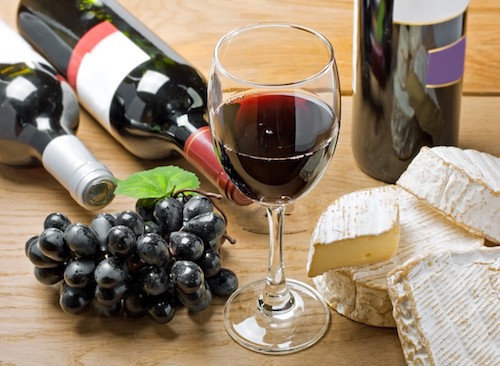
What Does Carménère Wine Taste Like? What Foods Pair Well with Carménère?
Carménère is deep and bright ruby red in color. When harvested early, Carménère can lend toward the herbaceous side of the flavor spectrum. When optimally ripe, these wines exhibit pronounced notes of red raspberry and savory sour cherry fruit. Spicy earth notes are present along with dark chocolate, tobacco and leather.
The high acid and soft tannin profile makes Carménère an ideal food pair with a variety of cuisine from cheeses to meats with lower fat content.
Many fine examples are found in Chile such as Montes Alpha Carménère from Colchagua Valley, Chile. The wine demonstrates the elegant quality that can be enjoyed upon release or will age gracefully for 10 years. From the Veneto in Italy, Inama Carménère Piu is another example of a premium fine wine made primarily from Carménère.
Learn About These Other Wine Grape Varieties
Written By Greig Santos-Buch
Greig Santos-Buch is a Co-Founder at Winetraveler.com and a WSET 2 Merit wine writer. He works with several brands focusing on experiential and immersive-style travel. In his spare time, you can find him hiking with a bottle of Cabernet Franc in his backpack or scuba diving trying to talk a reef shark into trying Swiss wine.
Fruit
Red Cherry, Red Currant, Cassis, Tomato, Raspberry
Earth & Mineral Notes
Forest Floor, Tea Leaf
Additional Complexities
Green Bell Pepper, Olive, Smoke, Spice, Tobacco, Leather, Dark Chocolate
Structure & Body
Body Medium - Full
Sugar Dry
Tannins Medium - Medium Minus
Acid Medium Plus, High
Alcohol Medium (12.0 - 13.5% ABV)
Finish Medium - Long, Structured
Lean Meats
Due to Carmenere's high acid and low tannin profile, consider pairing it with lean cuts of beef, pork or turkey.
Tomato Based Pasta
Pasta basked in tomato sauce with cut lean meats will pair nicely alongside the flavor and structure of Carmenere.