
If you have ever wondered what to do with a bottle of cheap, cheerful red wine, the Basques answered it decades ago: mix it with cola. The kalimotxo is Spain’s great festival drink, a refreshing, unpretentious 50/50 of red wine and cola served over ice, and it is far better than it has any right to be.
It takes two ingredients and about a minute, and it is endlessly easy to batch for a crowd. Here is how to make it, which wine to buy, and where the drink comes from.
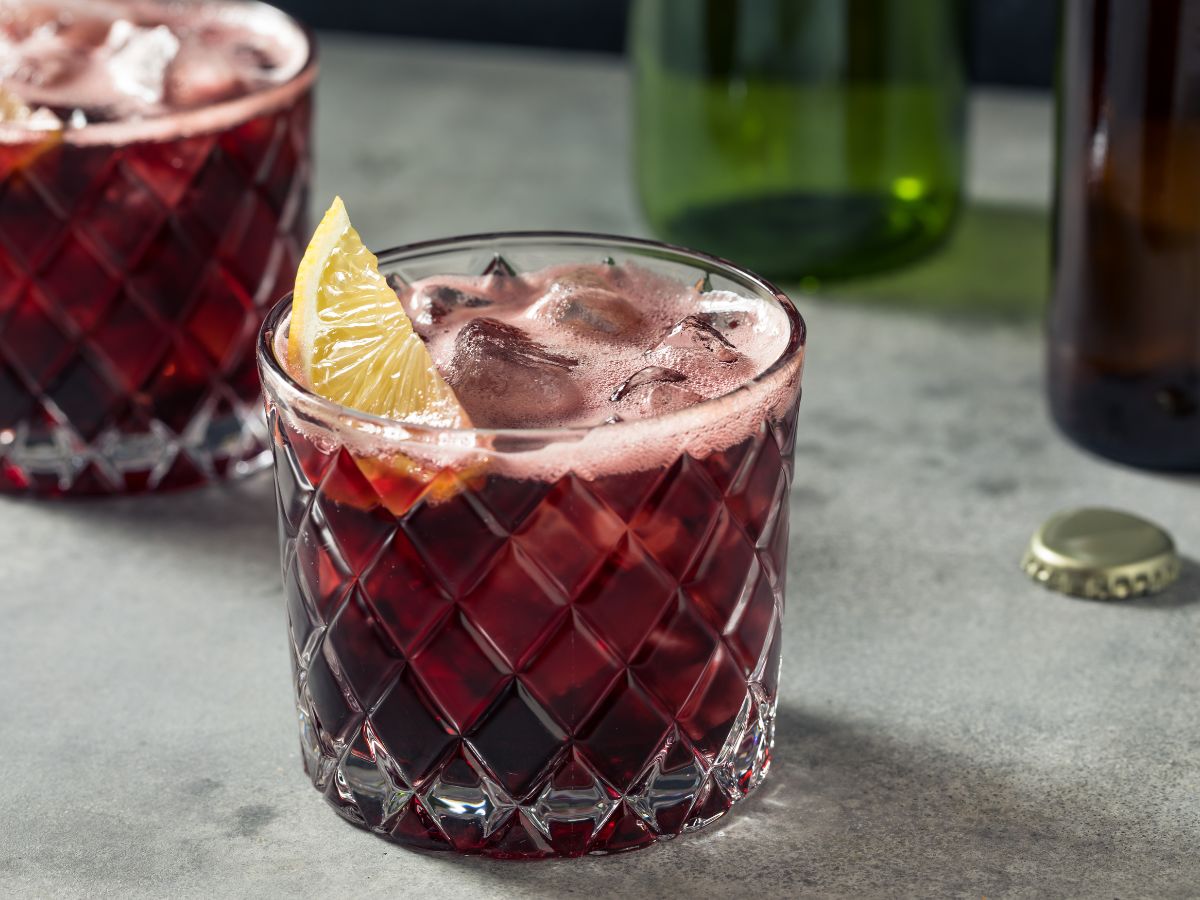
Kalimotxo
Spain's beloved 50/50 of red wine and cola, born at a Basque fiesta. Cold, cheap and impossible to mess up.
Batchable · 1 part wine to 1 part colaIngredients
How to make it
- Fill a glass or pitcher with ice.
- Pour in equal parts chilled red wine and cola.
- Stir once and squeeze in a lemon wedge.
- Serve cold, ideally in the sun.
Where Kalimotxo Comes From
The kalimotxo (also spelled calimocho, and pronounced kah-lee-MOH-cho) was born in Getxo, the seaside town just outside Bilbao, at the fiestas of the Puerto Viejo de Algorta in August 1972. As the story is told locally, a group of friends running a drinks stall found their red wine had turned and, rather than pour it away, cut it with cola and sold it anyway. The name is a mash-up of two of their nicknames, Kalimero and Motxongo, and the fix outlived the festival by half a century.
From there it spread through the Basque Country and across Spain, where it remains the drink of street fiestas, student gatherings and the summer botellón. If you are in Bilbao for Aste Nagusia in August, or in San Sebastián for almost any celebration, you will see it poured by the litre into big plastic cups. For the wine side of that trip, our Basque Country wine region guide and our roundup of wine tasting experiences in the Basque Country cover the txakoli coast and the Rioja Alavesa hills within easy reach, and our guide to the best things to do in San Sebastián will fill the rest of the weekend.
Which Wine to Use (and Which Not To)
That festival heritage is the key to making it well: this is a drink for young, inexpensive, dry red wine, not a treasured bottle. The cola brings the sweetness and the fizz, so what you want from the wine is fruit, a little acidity and no oak. A young, unoaked Rioja, a simple Tempranillo or a fruity Garnacha is perfect, and in Spain it is often whatever red comes in a carton. Save anything labelled crianza, reserva or gran reserva for the table; the oak and the price are wasted here. Our explainer on crianza, reserva and gran reserva shows what those labels mean, and our Rioja destination guide is the place to go when you want to taste the serious versions at the source.
Serve it cold. Chill the wine as well as the cola, fill the glass with ice, and squeeze in a wedge of lemon, which is how many Basques take it. Some add a splash of lemon soda or a little blackcurrant liqueur, but the classic is just the two ingredients, half and half.
How to Serve It Like a Spaniard
At a fiesta the kalimotxo is a communal drink. It goes into a pitcher or a large cup, the katxi, and is shared around a group of friends standing in the street or on the beach; nobody is measuring. At home a pitcher on the table does the same job for a barbecue or a summer lunch, and because it is only about six percent alcohol once diluted, it is one of the easiest wine drinks to keep pouring through a long afternoon.
It also has relatives. Croatia’s bambus and Chile’s jote are the same red-wine-and-cola idea under other names, and Spain’s own tinto de verano swaps the cola for lemon soda. If you like one, you will like the others. And if this is your first Spanish wine drink, it is a gateway: the same young Tempranillo that disappears into a kalimotxo comes from the country that makes some of the best-value red wine on earth, which is a good reason to plan a trip around it.
Frequently Asked Questions
What is kalimotxo?
Kalimotxo is a Spanish drink made of equal parts red wine and cola served over ice. It originated in Getxo, in the Basque Country, in 1972 and is a staple of Spanish festivals, prized for being cheap, refreshing and easy to make.
What wine should I use for kalimotxo?
A young, inexpensive, dry red is ideal, such as an unoaked Rioja, a simple Tempranillo or a fruity Garnacha. This is not a drink for a fine bottle; the cola provides the sweetness and fizz, so cheap and cheerful is the whole point.
What is the ratio for kalimotxo?
The classic ratio is 1:1, equal parts red wine and cola, over plenty of ice. Adjust to taste, using a little more cola if you prefer it sweeter.
How do you pronounce kalimotxo?
It is pronounced kah-lee-MOH-cho. The tx in Basque spelling makes a ch sound. You will also see it written calimocho.
Is kalimotxo the same as tinto de verano?
No. Both are Spanish red-wine coolers, but kalimotxo is red wine and cola, while tinto de verano is red wine and lemon soda. Kalimotxo is the festival drink of the Basque Country; tinto de verano is the everyday summer order across much of Spain.
Is kalimotxo actually good?
Surprisingly, yes. The cola’s sweetness and bubbles smooth out a rough young wine into something genuinely refreshing. It has been a cult favourite in Spain for more than fifty years for good reason.
Sources and further reading
- Getxo Town Council, the town where the kalimotxo was created in 1972
- Basque Country Tourism (Euskadi), the official tourism board for the Basque Country
- Consejo Regulador DOCa Rioja, on Rioja wines and their ageing categories