
A wine vacation is really two trips folded into one. There is the wine, of course, poured at the source by the people who grew it, and there is everything around it: the food, the landscape, the towns you walk after lunch, the drive between one cellar and the next. The best wine regions on earth give you both in equal measure. After years of traveling to write about them, these are the twelve trips we recommend most often, grouped by the kind of journey they are, from the classic icons to islands and back roads most people never think to point a car down. For each one we have added who it suits, when to go and where to base yourself, because a wine vacation lives or dies on those three decisions. For more ways to structure a trip, our full library of wine vacation ideas and itineraries is the place to start.
The Classic Icons
Start here if it is your first serious wine trip. These are the regions that set the standard, with the infrastructure, the restaurants and the range of estates to fill a week without repeating yourself.
Bordeaux, France
No region carries more weight in the wine world than Bordeaux, and yet it is far more welcoming than its reputation suggests. The city itself has become one of the most enjoyable in France, with the Cité du Vin museum as a gateway, and the great châteaux of the Médoc, Saint-Émilion and Pomerol are a short drive out through a sea of Cabernet and Merlot. Base yourself in the city or in medieval Saint-Émilion and split your days between grand estates and small family properties. Our guide to the best Bordeaux wine tours and tastings lays out how to do it, and the Saint-Émilion day trip with tastings from Bordeaux is the one to book first.
Best for: first-timers who want the grand châteaux and a great city in one trip. When: May to June, or September during harvest. Base: Bordeaux city for restaurants and trains, Saint-Émilion to sleep among the vines.
Tuscany, Italy
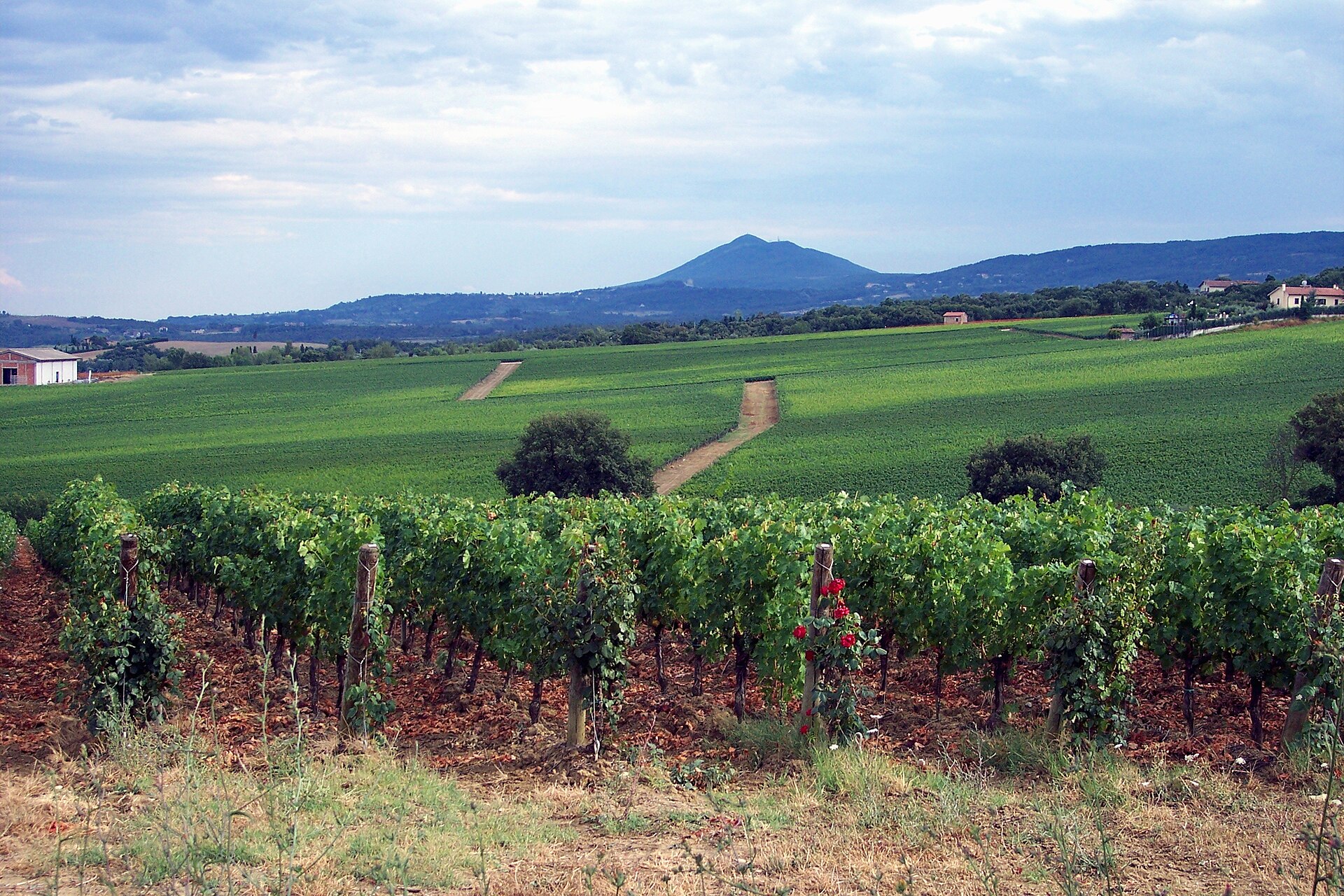
Tuscany is the wine vacation almost everyone pictures: cypress-lined roads, hilltop towns, Sangiovese in the glass and long lunches that drift into the afternoon. Chianti Classico sits between Florence and Siena, Montalcino and Montepulciano hold the great Sangiovese reds to the south, and the coast has the Super Tuscan estates of Bolgheri. Florence makes an easy base for day trips, or you can stay among the vines. See our picks for the best Tuscany wine tours and use the Tuscany destination hub to build the trip; from Florence, the small-group Tuscan countryside wine tasting is the most-booked half day.
Best for: couples and families who want wine, art and food in equal measure. When: April to June and September to October; August is hot and crowded. Base: Florence for a first visit, a farmhouse in Chianti or the Val d’Orcia for a slower one.
Napa and Sonoma, California

America’s most famous wine country is really two regions side by side. Napa is the polished one, all Cabernet Sauvignon and hospitality raised to an art, while neighboring Sonoma is larger, more rural and more varied, with Pinot Noir, Zinfandel and Chardonnay across a patchwork of small valleys. Do both if you can. Our guides to the best Napa wineries and the best Sonoma wineries cover both, and the Napa and Sonoma hubs help you plan, and the Napa Valley small-group winery tour handles the driving.
Best for: a polished long weekend with serious restaurants and spa hotels. When: September to October for harvest, February to April for green hills and lower rates. Base: St. Helena or Yountville in Napa, Healdsburg in Sonoma.
Rioja, Spain
Rioja gives you the icon experience at a gentler pace and a gentler price. Tempranillo is the grape, aged in American oak in the traditional style or in a fresher modern one, and the region divides into Rioja Alta, Rioja Alavesa and Rioja Oriental, each with its own character. The old town of Logroño is a tapas paradise, Haro throws itself into wine, and the striking Frank Gehry and Zaha Hadid winery buildings show how far the region has come. Start with the Rioja destination hub and our guide to where to stay in Rioja. The Rioja wineries and Laguardia tour from Bilbao pairs the region with the Basque coast.
Best for: value, food and big reds without big-name prices. When: late September for harvest, June for the Batalla del Vino in Haro. Base: Logroño for tapas, Laguardia or Haro for the vineyards.
River and Coastal Escapes
Wine and water go together. These trips follow rivers and coastlines where the vineyards come with a boat trip, a beach or a slow current running through the middle of the day.
Douro Valley, Portugal
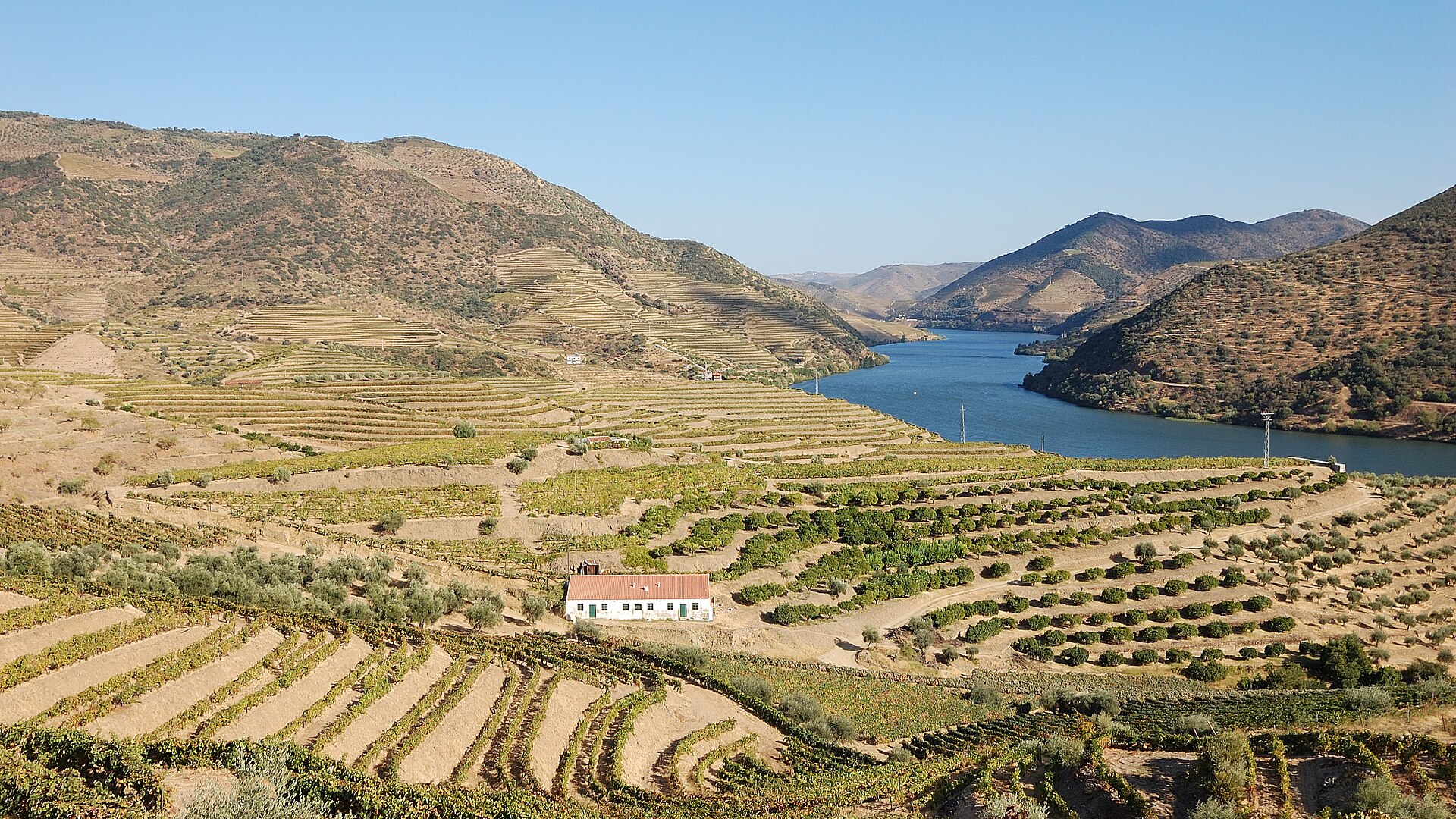
The Douro was demarcated and regulated in 1756, which makes it the oldest wine region of its kind in the world, and for our money it is also the most beautiful. Terraces carved by hand climb from the river in every direction, the quintas that make port and increasingly serious dry reds welcome visitors to stay and taste, and the river itself is the best way to see it, whether by cruise or by the slow train from Porto that hugs the bank. It is a place to stay put and let the days unwind. Our full Douro Valley travel guide has the wineries and resorts, and the Douro Valley tour with lunch, tastings and river cruise is the most-booked day out of Porto.
Best for: a stay-put trip with a river view and port on the terrace. When: September for harvest, May for green terraces and mild days. Base: Pinhão or a quinta near it; Porto for a night or two at either end.
Loire Valley, France
The Loire pairs wine with the châteaux France is famous for. Follow the river and you move through Sancerre and Pouilly-Fumé Sauvignon Blanc, the Chenin Blanc of Vouvray and Savennières, and the Cabernet Franc reds of Chinon and Bourgueil, all between castles at Chambord, Chenonceau and Amboise. It is flat enough to explore by bike and civilized enough to do slowly. See the best Loire Valley wineries and castles and the Loire Valley hub. The Chambord and Chenonceau day tour with lunch at a private castle covers the two great châteaux in one day.
Best for: cyclists, history lovers and anyone who prefers white wine. When: May to June, or September. Base: Amboise or Tours for the châteaux, Saumur or Chinon for the reds.
Rías Baixas, Spain
On the green Atlantic coast of Galicia, Rías Baixas makes the crisp, saline Albariño that is one of the world’s great seafood whites, and drinking it beside the sea that inspired it is the whole point of coming. The region runs along a series of drowned river inlets, the rías, with vineyards trained high on granite posts and some of the best shellfish in Europe pulled from the water each morning. Our guide to the best wineries in Rías Baixas is the place to begin, alongside the Rías Baixas hub.
Best for: seafood lovers and a cooler, greener Spain. When: June to September; the Albariño festival in Cambados runs from late July into the first days of August. Base: Cambados or Pontevedra, with Santiago de Compostela an hour away.
Island Wine Trips
Islands make wine on their own terms, with native grapes you will find nowhere else and a slower rhythm that suits a real holiday. These two reward the traveler who wants vines and a coastline in the same day.
Sardinia, Italy
Sardinia combines some of the Mediterranean’s clearest water with distinctive wines: Vermentino whites along the coast, and structured Cannonau (the local Grenache) and Carignano reds inland and in the southwest. It is big, wild and far less crowded than the Italian mainland, which makes it ideal for a trip that mixes beach days with cellar visits. Plan it with our Sardinia wineries itinerary and the Sardinia hub.
Best for: beach-and-cellar trips with a rental car. When: May to June and September; July and August are for the beach, not the drive. Base: Alghero for Vermentino and the northwest coast, Cagliari for the south.
Malta
Malta is the wild card on this list and all the better for it. This tiny Mediterranean nation grows two grapes found nowhere else, the red Ġellewża and the white Girgentina, alongside international varieties, and its handful of wineries sit among some of the oldest inhabited sites on earth. Come for the wine and stay for the history, the sea and the food. Our guide to the best Malta wineries and the Malta hub cover a trip most travelers never think to take, and the Malta wine lovers tour adds Mdina and the Dingli Cliffs to a tasting.
Best for: a short break that mixes wine with history and swimming. When: April to June and October; midsummer is hot. Base: Valletta, with the wineries and Gozo a short drive or ferry away.
Road Trips and the Road Less Traveled
Some wine regions are best strung together behind the wheel, one small town at a time. These three are less obvious than the icons and, partly for that reason, some of the most rewarding trips you can take right now.
Willamette Valley, Oregon
The Willamette Valley has quietly become one of the world’s benchmark regions for Pinot Noir, and it wears its success lightly. The sub-appellations around Newberg, Dundee, Yamhill-Carlton and McMinnville are close enough to link in a single unhurried drive, the tasting rooms are relaxed, and the whole thing is under an hour from Portland. It is a road trip made for a long weekend. Our self-guided Willamette wine tour maps the route, and the Willamette Valley hub fills in the rest; the Willamette Valley wine tour from Portland is the easy no-driving version.
Best for: Pinot Noir lovers and a low-key long weekend from Portland. When: late summer through October; Thanksgiving weekend open houses are a local tradition. Base: Newberg, Dundee or McMinnville.
Valle de Guadalupe, Mexico
About an hour and a half south of the border crossing at Tijuana, Baja’s Valle de Guadalupe is the most exciting wine region most Americans have never visited. The scene is young, experimental and design-forward, with striking modern wineries, some of Mexico’s best restaurants, and a warm, arid landscape that feels a little like a Mexican Napa in the making. Rent a car, take your time, and eat as well as you drink. Start with the best Valle de Guadalupe wineries and the Valle de Guadalupe hub. If you would rather not cross the border yourself, the Valle de Guadalupe wine and food tour from San Diego does it as a long day trip.
Best for: food-first travelers and anyone bored of the usual names. When: spring and autumn; the Fiestas de la Vendimia harvest festival runs in August. Base: a boutique hotel in the valley itself, or Ensenada on the coast.
Finger Lakes, New York
The Finger Lakes prove you do not have to leave the United States, or fly to a coast, for a serious wine trip. The deep glacial lakes moderate the climate enough to grow world-class Riesling and increasingly good cool-climate reds, and the loops around Seneca and Cayuga lakes are a classic drive, with farm restaurants and lakeside towns along the way. It is friendly, affordable and improving every year. See the best Finger Lakes wineries and the Finger Lakes hub. The Seneca Lake wine tasting tour takes care of the driving.
Best for: Riesling drinkers and a drivable East Coast escape. When: June to October; early October adds fall color to the lakes. Base: Geneva or Watkins Glen on Seneca Lake, Ithaca for Cayuga.
How to Choose Your Wine Vacation
If it is your first wine trip, lean toward the classics, where tasting rooms are used to visitors and everything is close together. If you want to get away from it, the islands and road trips reward you with grapes and places you cannot find anywhere else. Think about how you like to travel as much as what you like to drink: some of these are stay-put trips built around one valley, and others are made for the drive. Whichever you choose, book your marquee tastings ahead, leave room in the schedule to follow a recommendation you pick up at lunch, and bring an empty bag for bottles. For more routes and month-by-month ideas, browse our wine vacation itineraries, and if you want to sleep on the vineyard itself, our guide to the best wine hotels and vineyard resorts in the world covers several of these regions.
A Quick Planning Checklist
- Book tastings before flights are final. The best small estates in Bordeaux, Napa, the Douro and Tuscany take visitors by appointment, and weekend slots go first.
- Decide who is driving. Road-trip regions need a designated driver or a guided tour; river and city-based regions can be done by train, boat or bike.
- Plan around harvest with care. September and October are the most atmospheric months almost everywhere, but wineries are busiest and some pause visits during picking.
- Check what you can bring home. Most airlines allow checked wine in a padded case; check your country’s duty-free allowance before you fill it.
- Leave one day unplanned. The best tip you get on a wine trip usually comes from a winemaker at lunch.
Frequently Asked Questions
What is the best wine region for a first-time wine vacation?
For a first serious wine trip, the classic regions are easiest: Tuscany, Bordeaux, Napa and Sonoma, or Rioja. They have the most visitor-ready tasting rooms, the best restaurants and enough estates close together to fill a week without long drives between them.
When is the best time of year for a wine vacation?
Late spring and early autumn are ideal in most regions: the weather is good, the vineyards look their best, and harvest in September and October brings extra energy. Summer is busy and hot in southern Europe, and harvest is the most atmospheric time to visit but also the busiest for the wineries.
What is the best wine vacation in the United States?
Napa and Sonoma remain the most complete, with the Willamette Valley in Oregon the best road trip for Pinot Noir and the Finger Lakes in New York the best value on the East Coast. All three are covered above with when to go and where to base yourself.
Do you need a car for a wine vacation?
It depends on the region. Road-trip destinations like the Willamette Valley, Valle de Guadalupe and the Finger Lakes really need a car with a designated driver, or a guided tour. Others, such as the Douro, Bordeaux city or the Loire, can be done largely by train, boat, bike or guided tour.
How far ahead should you book winery visits?
For the famous estates in Bordeaux, Napa, the Douro and Tuscany, two to four weeks ahead in high season, and earlier for weekends and harvest. Smaller family wineries often take bookings a few days out, and many still welcome walk-ins midweek.
Sources and further reading


Collect your Winetraveler passport — tap the regions & grapes you’ve tasted. Your stamps follow you across the whole site.
- Curious1 stamps
- Explorer3 stamps
- Connoisseur6 stamps
- Sommelier12 stamps
- Vigneron20 stamps
Your stamps are saved on this device.