
Switzerland keeps its wine to itself. The country drinks almost everything it grows, exports barely a bottle or two out of every hundred, and as a result most travelers pass straight through some of the most dramatic vineyards in Europe without ever tasting what grows there. That is the whole case for this trip. Over one week you can ride from the terraces of Lake Geneva up into the sun-baked Rhône valley, tack north through the medieval capitals of Bern and Lucerne, and finish in Zurich, drinking Chasselas, Fendant and Pinot Noir that you will almost never see at home. The trains do the hard work, the scenery never lets up, and the glass in front of you is a small secret the rest of the world has not caught on to yet. Here is how we would spend seven days.
Before you go, it is worth reading our guide to Swiss wine and its regions for the lay of the land, and you can build the whole route around real cellars using our Plan a Swiss Wine Trip tool.
Day 1: Geneva and the Mandement Vineyards
Fly into Geneva and you are already in wine country. The canton of Geneva is the third-largest wine region in Switzerland after the Valais and Vaud, and its heart is the Mandement, the sunny slopes northwest of the city around Satigny, which is the largest wine-growing commune in the country. Spend the morning in Geneva itself, along the lake and the old town, then take the short train or drive out to Dardagny and Satigny in the afternoon. This is Gamay, Chasselas and Gamaret territory, poured in unfussy family cellars a world away from the city’s banks and watch shops. Estates like Domaine Les Hutins in Dardagny and Château du Crest in Jussy are good, welcoming introductions to how varied Swiss wine can be, and the Geneva vineyards tuk-tuk tour covers the Mandement with a tasting in three hours. Sleep in Geneva.
Day 2: Lavaux and Lausanne
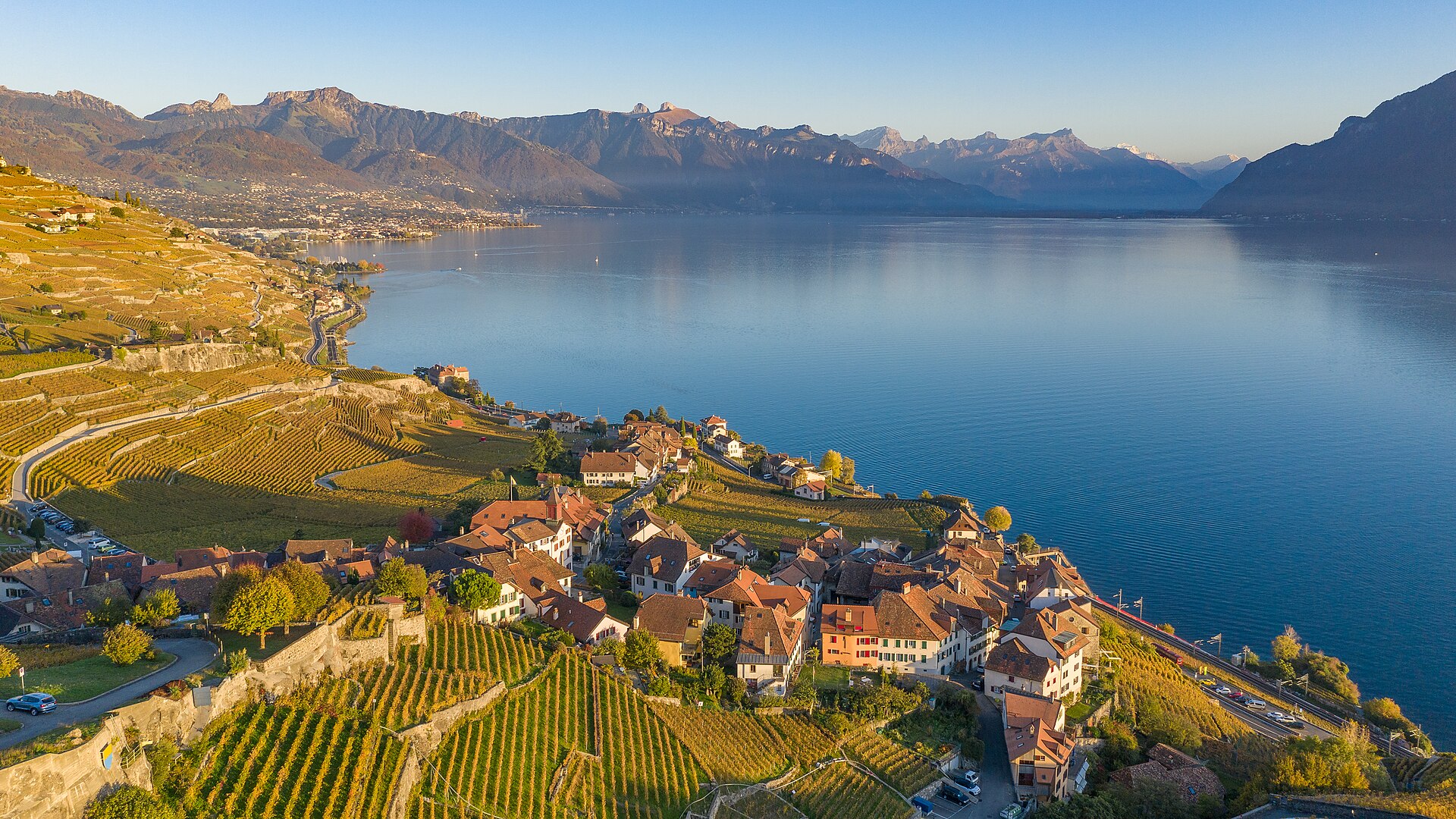
Follow the north shore of Lake Geneva east and you reach Lavaux, the stretch of terraced vineyards between Lausanne and Montreux that UNESCO added to its World Heritage list in 2007. Winemakers here talk about the three suns: the sun overhead, its reflection off the lake, and the heat the old stone walls give back at night. The result is Chasselas of real depth, especially from the Dézaley and Calamin grand crus. Get off the train at Lutry or Cully and walk a section of the terraces on foot, or take one of the little tourist trains that thread through the vines. Cellars in Épesses, Cully and Rivaz, among them Domaine Louis Bovard and Luc Massy Vins, pour the local whites by the glass, and the Lavaux and Lutry wine walk gets you into two or three of them with a local guide. We have a full breakdown in our Lavaux wine tasting guide. Base yourself in Lausanne for the night.
Day 3: Into the Valais, Sion and Sierre
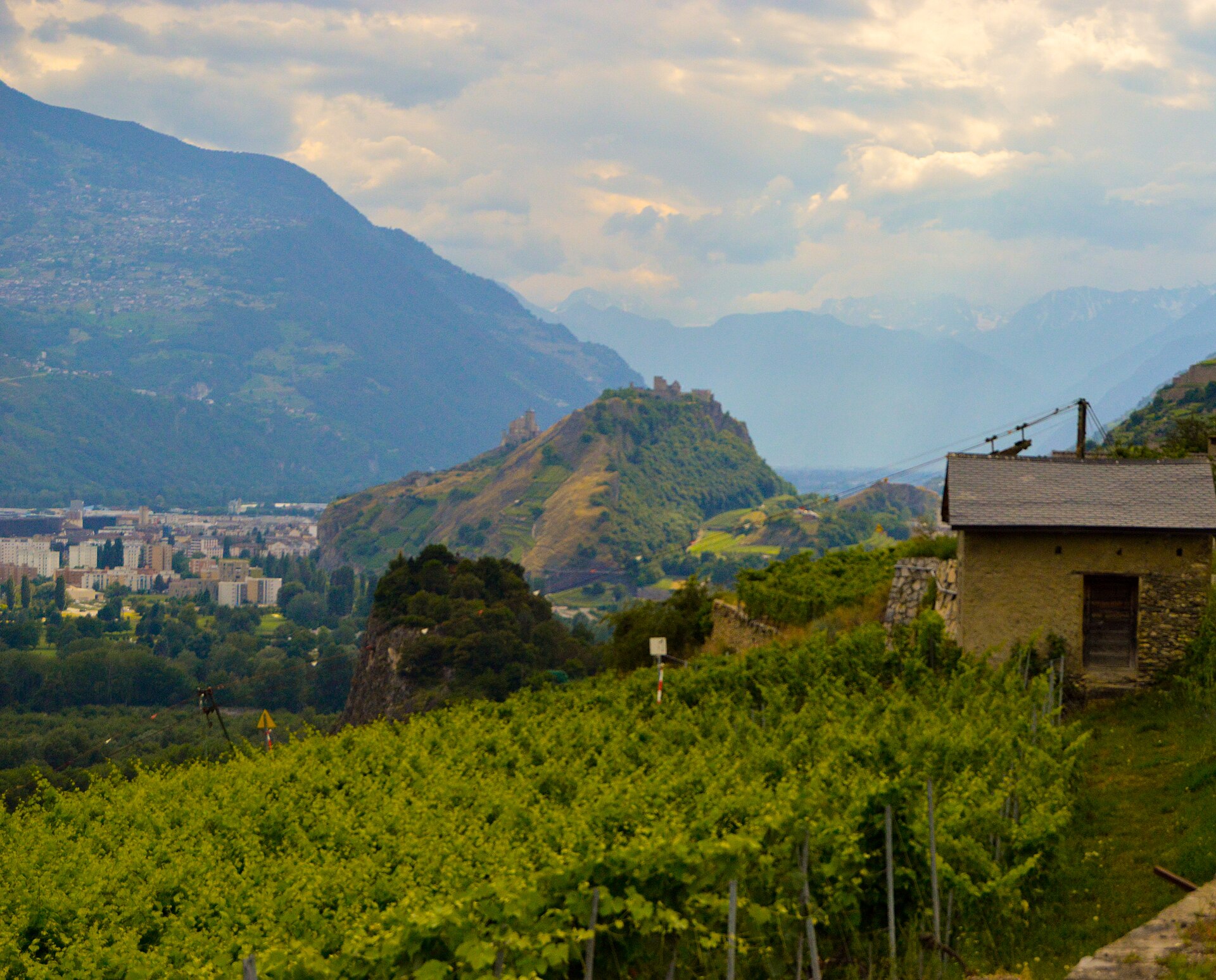
The train up the Rhône valley into the Valais is one of the great short rail journeys in Europe, the mountains closing in on both sides as the vineyards climb the slopes. The Valais is the largest wine region in Switzerland and, for us, the most exciting. This is where Chasselas becomes Fendant, and where you find grapes grown almost nowhere else on earth: the salty, apricot-scented Petite Arvine, the deep red Cornalin and Humagne Rouge, the rare Amigne of Vétroz. Make Sion your base. Its two floodlit hills, crowned by the Tourbillon castle ruins and the fortified Valère basilica, sit right above the vines. Taste in town, then push a few minutes east to Sierre, often called one of the sunniest spots in the country, and the German-speaking wine village of Salgesch beyond it; the Valais private minibus wine tasting reaches the outlying cellars. The signposted wine trail between Sierre and Salgesch, linking two wine museums, is a lovely way to walk off lunch.
Day 4: Fully, Martigny and North to Bern
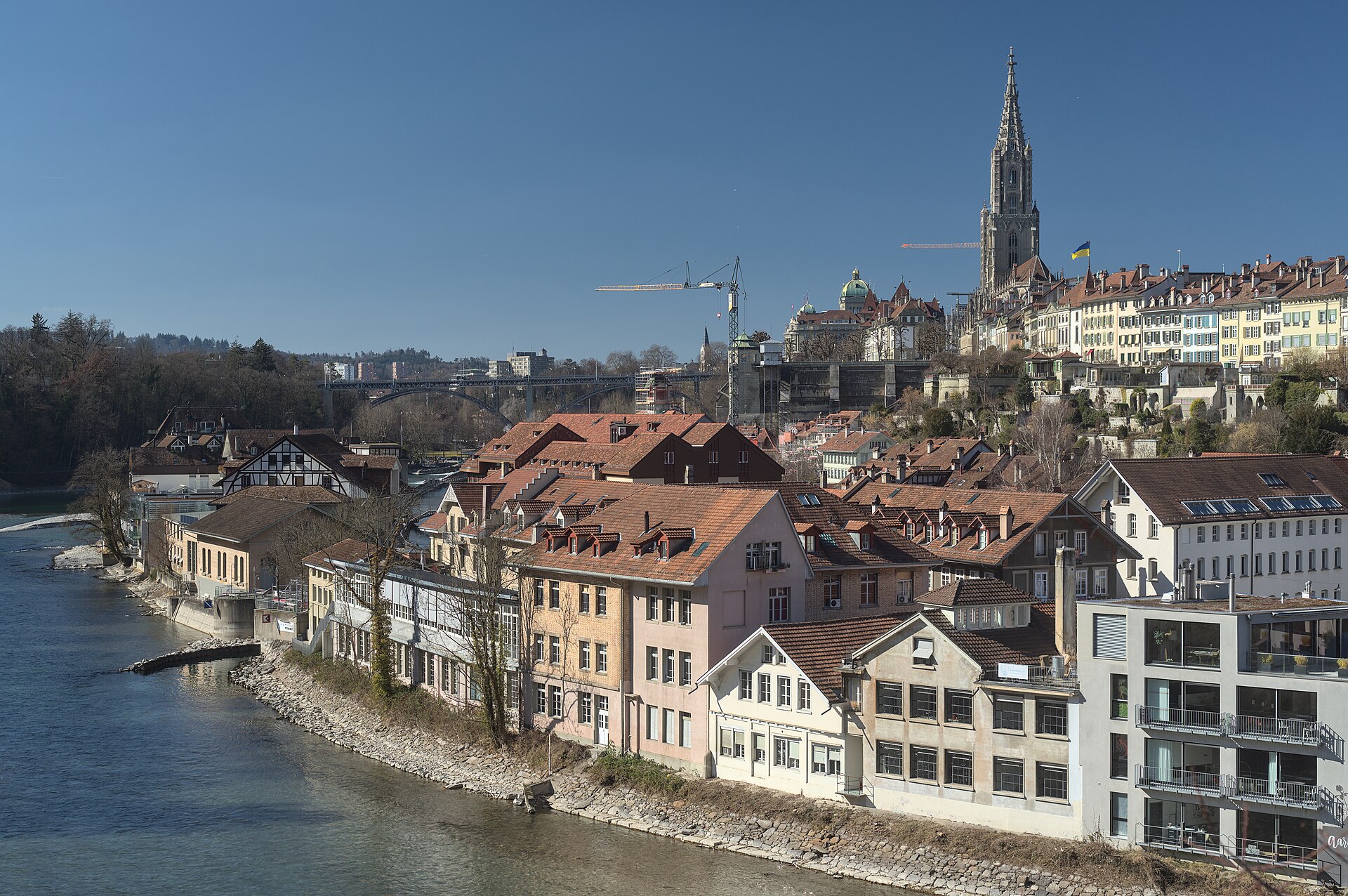
Spend the morning at the western end of the Valais around Fully and Martigny, where the granite slopes produce some of the country’s most celebrated Petite Arvine. Fully is home to Marie-Thérèse Chappaz, a pioneer of biodynamic wine in Switzerland whose bottles are chased by collectors. From Martigny the rail line curls north over to Bern, the Swiss capital, in a couple of easy hours. Bern’s old town, looped by a bend in the Aare river and a UNESCO site since 1983, has six kilometers of covered arcades, the Zytglogge astronomical clock and a riverside that locals swim in on hot afternoons. It is not a wine town, but it is one of the most quietly beautiful capitals in Europe, and it breaks the journey perfectly; the two-hour old-town walking tour is the quickest way to get your bearings. Sleep in Bern.
Day 5: Lucerne and Central Switzerland

An hour by train from Bern brings you to Lucerne, sitting where its lake narrows into the mountains. The wooden Chapel Bridge, first built in the fourteenth century and largely rebuilt after a fire in 1993, is the postcard, but the pleasure of Lucerne is wider than that: the painted houses on the old town squares, the lake steamers, and the mountains that rise straight from the water. If the weather holds, ride the cogwheel railway or cable car up Mount Pilatus or Rigi for a view that takes in half the country (the Mount Pilatus round trip with lake cruise packages the boat, cogwheel railway and cable car in one ticket). Central Switzerland is not a major wine region, so treat today as the scenic heart of the trip and a chance to slow down. For more of this kind of scenery, our guide to the most beautiful Swiss mountain villages is full of detours worth making. Stay in Lucerne.
Day 6: Zurich and German-Speaking Wine Country
Under an hour on from Lucerne, Zurich makes a natural final base. Most visitors know it as a finance capital, but the old town, the lake and the former industrial district of Zürich-West are worth a full day. Fewer people know that German-speaking Switzerland makes wine too: the cantons around Zurich, Schaffhausen and the Bündner Herrschaft in Graubünden are strong in Pinot Noir, known here as Blauburgunder, and you will find it on every good wine list in the city. Spend the day in town, then drink Swiss Pinot with dinner. If you have the energy for one last vineyard, the Zürich lakeshore and the terraces around Schaffhausen are both a short train ride away.
Day 7: Departure
Zurich’s airport is a short, direct train from the main station, so you can enjoy a final Swiss morning before flying home. If your flight is late enough, squeeze in one more walk through the old town or along the Limmat. Then carry home a couple of bottles of something you cannot buy back home, which is the whole point of coming.
Getting Around: Trains and the Swiss Travel Pass
You do not need a car for this trip, and we would argue you are better off without one, because it frees you to taste properly. Swiss trains are famously punctual, clean and frequent, and they reach almost every town on this route. The Swiss Travel Pass gives you unlimited travel on the national rail, bus and boat network for a set number of days, free entry to many museums, and discounts on the mountain railways, which makes it excellent value on a week like this. Buy it before you arrive, validate it on day one, and let it carry you from Geneva to Zurich. For the last mile out to individual cellars, local buses and postbuses fill the gaps, and most estates are a short walk or taxi from the nearest station.
To turn this outline into a booked trip, use our Swiss planning tools: Find a Swiss Winery to map real cellars against your route, Find Your Swiss Wine to work out what you actually want to taste, and the Wine Passport to keep a record of the bottles you loved along the way.
Guided Wine Walks and Tours Along the Route
Most Swiss cellars are small and family-run, and a guided walk is often the easiest way to get inside two or three of them in an afternoon with a local who knows the growers. These are the ones we would fold into the itinerary above. We earn a small commission if you book through these links, at no extra cost to you.
A guided walk through the Lavaux terraces from Lutry with cellar stops and Chasselas tastings, the easiest way to meet the growers on Day 2.
Check availability on ViatorThree hours through the Geneva vineyards by electric tuk-tuk with a tasting, a fun way to cover the Mandement on your first afternoon.
Check availability on ViatorA private minibus tasting run through the Valais cellars, useful on Day 3 if you want to reach estates beyond walking distance of Sion or Sierre.
Check availability on ViatorWhere to Stay Along the Way
This route changes base five times, so keep luggage light and pick hotels near the stations. Geneva and Zurich are the expensive ends; Lausanne’s Ouchy lakefront, Sion’s old town and Lucerne’s old town are the atmospheric middle. If you want one night among the vines, swap the Lausanne hotel for a room in Cully or Rivaz in Lavaux, where several growers rent rooms above their cellars, or stay in Sierre or Salgesch in the Valais and walk the wine trail from your door. Wherever you land, ask the front desk for the local wine bar; in Switzerland it is almost always within a few minutes’ walk.
Frequently Asked Questions
Is one week enough to see Switzerland's wine regions?
One week is enough to taste across the two most important regions, Vaud (including Lavaux) and the Valais, while still seeing Geneva, Bern, Lucerne and Zurich. You will not reach Ticino or the Three Lakes on this route, but you will get a genuine feel for Swiss wine and the country itself.
Do you need a car to visit Swiss wineries?
No. Switzerland’s rail network reaches every town on this itinerary, and a Swiss Travel Pass covers trains, buses and boats. Not driving also means you can taste freely. For the final stretch to individual cellars, local buses and short taxi rides fill the gaps.
Is the Swiss Travel Pass worth it for this trip?
For a week that changes base five times and includes lake boats and museums, usually yes. Price the pass against individual fares for your exact route on the SBB app before you buy, and remember it also discounts the mountain railways at Pilatus and Rigi.
What wine is Switzerland known for?
The signature white is Chasselas, a delicate, mineral grape called Fendant in the Valais. Switzerland also grows Pinot Noir (Blauburgunder), Gamay, and rare native varieties such as Petite Arvine, Cornalin and Amigne. Very little is exported, so the best way to drink Swiss wine is to visit.
Can you visit Lavaux without a car?
Yes, and it is better that way. Trains stop at Lutry, Cully, Épesses and Rivaz along the terraces, and the marked walking paths link the villages and cellars. Small tourist trains also run through the vines in season.
When is the best time to visit Switzerland for wine?
Late spring through early autumn is ideal, with September and early October offering harvest energy and warm days on the terraces. Many small cellars keep limited hours, so book tastings ahead, especially outside summer.
Sources and further reading


Collect your Winetraveler passport — tap the regions & grapes you’ve tasted. Your stamps follow you across the whole site.
- Curious1 stamps
- Explorer3 stamps
- Connoisseur6 stamps
- Sommelier12 stamps
- Vigneron20 stamps
Your stamps are saved on this device.