Petit Manseng at a Glance
Structure
- Body Full
- Sugar Sweet - Dry
- Acid High
- Alcohol Medium
- Tannins Medium Minus
The Shape of Petit Manseng
Each spoke runs from delicate (centre) to pronounced (edge). Tap a benchmark to lay a familiar grape over the top.
More About Petit Manseng
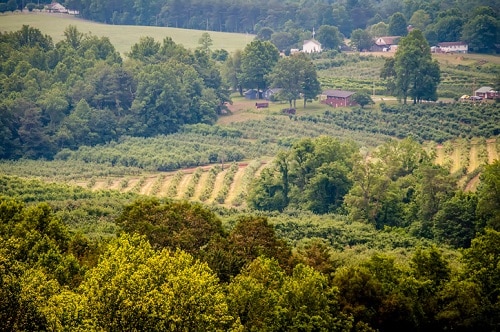
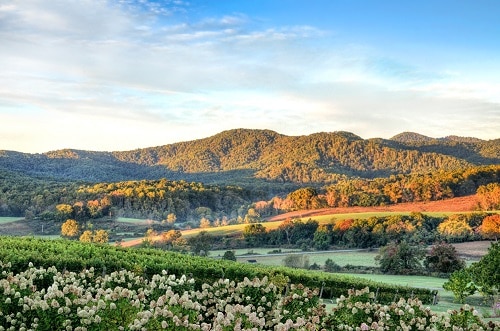
Though originally from the Southwest France regions of Jurançon and Pacherenc du Vic-Bilh, Petit Manseng has become the golden grape of Virginia’s burgeoning wine industry. It’s perfectly suited for the climate across much of the state due to its naturally high acidity that helps to maintain flavor and balance in the warmer late summers and fall. Petit Manseng is naturally very high in sugar and is capable of a long ripening season, which makes it a perfect option for late harvest dessert wines. It is named “petit” for its smaller, thick berries, and it is in the Manseng family, which includes Gros Manseng and Manseng Noir.
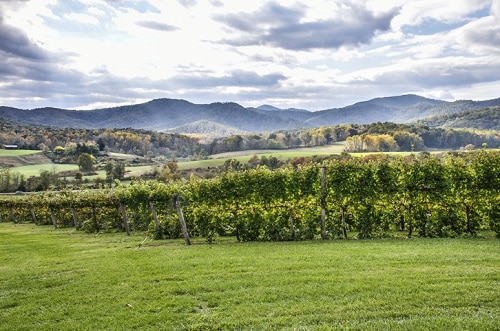
This grape is easy to grow in the vineyard with loose bunches that help with airflow and prevention of mold and mildew, especially in wetter growing regions. In fact, growers have noted that wetter seasons are best for this grape variety, especially later in the season, as wetter days help to balance some of the grape’s natural high sugar content and acidity. Petit Manseng grows best in heavier soils like clay and silt.
The Wine Styles of Petit Manseng
Though easier in the vineyard, Petit Manseng does require work in the winery. It can be made into a late harvest dessert wine, single varietal dry wine, blended with other white varieties, or co-fermented with red or white grapes. Some producers will use oak, others rely on lees aging or malolactic fermentation to soften the naturally high acidity in the grape.
Petit Manseng Tasting Notes
In the glass, Petit Manseng wines are full-bodied and full of texture, and often described as creamy and “cheesy.” Predominant fruit characteristics are stone fruits like peaches and apricots, citrus, and green apple, with secondary flavors of candied fruit, nuts, and spice. This grape is often used to add body to a blend and has been described as having more red wine characteristics. It should be served chilled but will become exponentially more expressive as it warms up in the glass.
Food Pairing Petit Manseng
Dry Petit Manseng wines should be served with rich and robust foods that can complement its full-bodied texture and expressive flavors. Seafood or heavier white fish like halibut with buttery sauces, pork, Asian dishes, and soy (umami) flavors are good options to pair.
Learn About These Other Wine Grape Varieties
Jacqueline Coleman is a professional wine + travel writer, wine judge, columnist, and consultant based in Miami, FL.
Taste Petit Manseng at the Source
Petit Manseng is tied to a handful of regions. Explore each as a travel destination — with wineries, tours and guides.
Stinson Vineyards
Stinson Vineyards is a family-owned estate winery in Virginia’s Blue Ridge Mountains specializing in small lot wines with a distinct French influence. The father/daughter team of Scott Stinson and Rachel Stinson Vrooman was joined by ...
Explore Stinson Vineyards →Wineries Known for Petit Manseng
Estates specializing in Petit Manseng, open for tastings.
Petit Manseng: Frequently Asked Questions
What does Petit Manseng wine taste like?
Petit Manseng offers ripe apricot, peach, pineapple and citrus flavors with honeyed, floral and spicy notes. This thick-skinned white shows vivid, mouthwatering acidity and a rich, textured body. Its intense fruit balanced by piercing acidity gives it striking concentration in both dry and sweet forms.
Is Petit Manseng sweet or dry?
Petit Manseng is made in both dry and sweet styles. In Jurançon it is famous for luscious late-harvest sweet wines with honeyed fruit balanced by high acidity. Dry versions show ripe stone fruit and citrus with the same vivid, refreshing acidity.
What food pairs well with Petit Manseng?
Dry Petit Manseng pairs well with roast poultry, pork, seafood and spicy Asian dishes, its acidity cutting rich flavors. Sweet late-harvest versions shine with foie gras, blue cheese, fruit desserts and spiced dishes, the honeyed fruit and acidity balancing salty or sweet plates.
What wines are made from Petit Manseng?
Petit Manseng produces both rich dry white wines and prized sweet late-harvest wines, most famously in France's Jurançon. Its thick skins allow grapes to shrivel on the vine, concentrating sugar. It also appears in blends and increasingly in varietal wines from Virginia and elsewhere.
Where is Petit Manseng grown?
Petit Manseng is native to southwest France, especially the Jurançon and Gascony regions near the Pyrenees, where it makes celebrated sweet and dry wines. It has gained a strong following in Virginia, USA, and appears in Uruguay, Australia and other emerging regions.
How should you serve Petit Manseng?
Serve dry Petit Manseng chilled, around 48-52°F, to balance its rich fruit and vivid acidity. Serve sweet late-harvest versions well chilled, near 46°F, in small pours. Both styles age well, with premium examples developing greater honeyed, complex character over several years.