Vidal Blanc at a Glance
Structure
- Body Medium
- Sugar High
- Acid Medium Plus
- Alcohol Medium Plus
- Tannins Low
The Shape of Vidal Blanc
Each spoke runs from delicate (centre) to pronounced (edge). Tap a benchmark to lay a familiar grape over the top.
More About Vidal Blanc
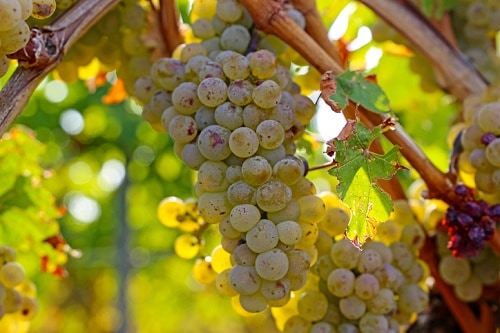
Vidal Blanc is an interesting and complex hybrid grape variety that has found success in the colder regions across North America. Originally created by French grape breeder, Jean Louis Vidal, in the 1930s as a variety to use in Cognac production in the Charente-Maritime region of western France, Vidal Blanc is no longer authorized to be used in the production of wine in that country.
Instead, it was brought to the U.S. in the mid-20th century and has been grown across regions in the U.S. and Canada such as in the states of Virginia, Michigan, North Carolina, Pennsylvania, Ohio, Rhode Island, and New York, as well as in the provinces of Ontario, British Columbia, and Nova Scotia to be used primarily in the production of quality dessert wines. However, it can be produced in a variety of styles ranging from dry to sweet.
This grape is a hardy variety that can withstand much colder temperatures than other more traditional varieties of wine grapes. It is a cross between the Vitis vinifera grape, Ugni Blanc (St. Emilion or Trebbiano Toscano), and the Seibel grape hybrid, Rayon d’Or. In the vineyard, it has tough skins and is susceptible to conditions such as coulure, powdery mildew, and botrytis.
The Tasting Notes of Vidal Blanc
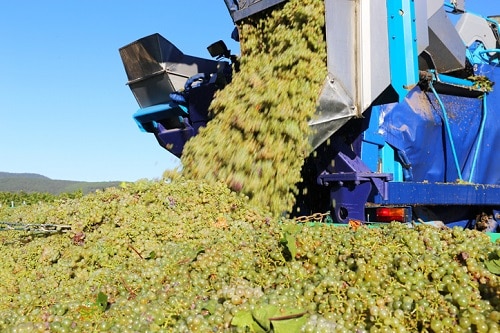
Vidal Blanc grapes have high sugars and moderate to high acidity, which makes it an ideal candidate for late-harvest dessert wines and ice wine, which is produced primarily in the more northern Canadian regions. It is usually harvested later than other varieties as winemakers may choose to leave it on the vine to increase sugars and decrease the acidity of the grape.
The flavors of Vidal Blanc wines include tropical fruits such as grapefruit and pineapple, as well as honeysuckle and pear, candied fruit and citrus flavors.
Food Pairing Vidal Blanc
Because Vidal Blanc can be produced into a wide range of styles of wines, such as dry single varietal wines either aged in wood or not, seen more often in Virginia and New York, to sweeter dessert wines, it can be paired with a variety of foods.
Dry, crisp styles are a match for seafood pairings such as scallops and salmon or tuna, while sweeter styles may pair well with fruit or various types of fruit-based dessert, or even salty cheeses--think ice wine and blue cheese.
Learn About These Other Wine Grape Varieties
Jacqueline Coleman is a professional wine + travel writer, wine judge, columnist, and consultant based in Miami, FL.
Taste Vidal Blanc at the Source
Vidal Blanc is tied to a handful of regions. Explore each as a travel destination — with wineries, tours and guides.
Hardwick Winery
Hardwick Winery sits on a working farm in central Massachusetts, about an hour and fifteen minutes from Boston. Rated 4.7 from 280 reviews, it is known for its flight of wines for a modest price, rotating seasonal and fruit-infused pours, and a dog-friendly deck, though the view looks out over a parking lot rather than the vines.
Explore Hardwick Winery →Wineries Known for Vidal Blanc
Estates specializing in Vidal Blanc, open for tastings.
Hardwick Winery
Cape Cod Winery
South Shore Wine Company
Tunnel Creek Vineyards
Greenvale Vineyards
Running Brook Vineyard & Winery
Broken Creek Vineyard and Winery
Mazza Chautauqua Cellars
Vidal Blanc: Frequently Asked Questions
What does Vidal Blanc wine taste like?
Vidal Blanc offers ripe pineapple, peach, apricot and citrus flavors with floral and honeyed notes. This French-American hybrid shows good acidity and a full, rounded profile. As icewine it becomes intensely sweet and concentrated, bursting with tropical fruit, honey and marmalade character.
Is Vidal Blanc sweet or dry?
Vidal Blanc is made in both dry and sweet styles. Dry versions show crisp tropical and citrus fruit, while off-dry and sweet examples highlight ripe stone fruit. It is most famous for luscious icewine, an intensely sweet dessert wine from frozen grapes.
What food pairs well with Vidal Blanc?
Dry Vidal Blanc pairs well with grilled fish, poultry, salads and mild cheeses. Off-dry versions suit spicy Asian dishes and pork. Vidal icewine is superb with fruit tarts, blue cheese, foie gras and creamy desserts, its sweetness balancing rich, salty or tangy flavors.
Why is Vidal Blanc used for icewine?
Vidal Blanc's thick skins and hardiness let it withstand harsh winter freezes on the vine, making it ideal for icewine. When frozen grapes are pressed, the concentrated juice yields intensely sweet, high-acid dessert wine. This durability made it a signature icewine grape, especially in Canada.
Where is Vidal Blanc grown?
Vidal Blanc is a cold-hardy French-American hybrid widely grown in cool climates. Canada, especially Ontario's Niagara Peninsula, is renowned for its Vidal icewine. It is also planted across the eastern and midwestern United States, including New York, Pennsylvania and Virginia.
How should you serve Vidal Blanc?
Serve dry Vidal Blanc chilled, around 46-50°F, to highlight its fresh tropical fruit. Serve Vidal icewine well chilled, around 45°F, in small pours from a small glass, letting its intense sweetness and acidity shine as a dessert on its own or with food.