 ★ Top rated 30 minutes 📍 Barossa Valley
 Semillon at a Glance
Common Flavors
- Dry Semillon Wines
- Sweet Semillon Wines
Structure
- Body Medium - Full
- Sugar Dry - Sweet
- Acidity Medium
- Alcohol Medium - Medium-Plus
Food Pairings
- Fois Gras
- Sharp Cheeses
- Raw Seafood
- Sushi
- Oysters
- Crab
The Shape of Semillon
Each spoke runs from delicate (centre) to pronounced (edge). Tap a benchmark to lay a familiar grape over the top.
Semillon
More About Semillon
Semillon Wine Profile
Originally hailing from Bordeaux, Semillon is springing up in more varied locations around the world. California and Washington States have increased plantings, and Australia produces some stunning dry versions of Semillon that are changing popular understanding of how the variety can be vinified. Historically, Semillon was limited to being a key grape of Bordeaux blancs and most significantly, of Sauternes.
The Tasting Notes of Semillon
When vinified dry, it exhibits lemon, apple, stone fruit, white florals, and beeswax. Its weight and texture allow it to stand up to a variety of dishes but seared scallops, shrimp, and other richer seafood dishes work beautifully with it. Semillon also works well with highly seasoned dishes; think milder curries, autumnal spices, and high-toned herbs like sage and fennel.
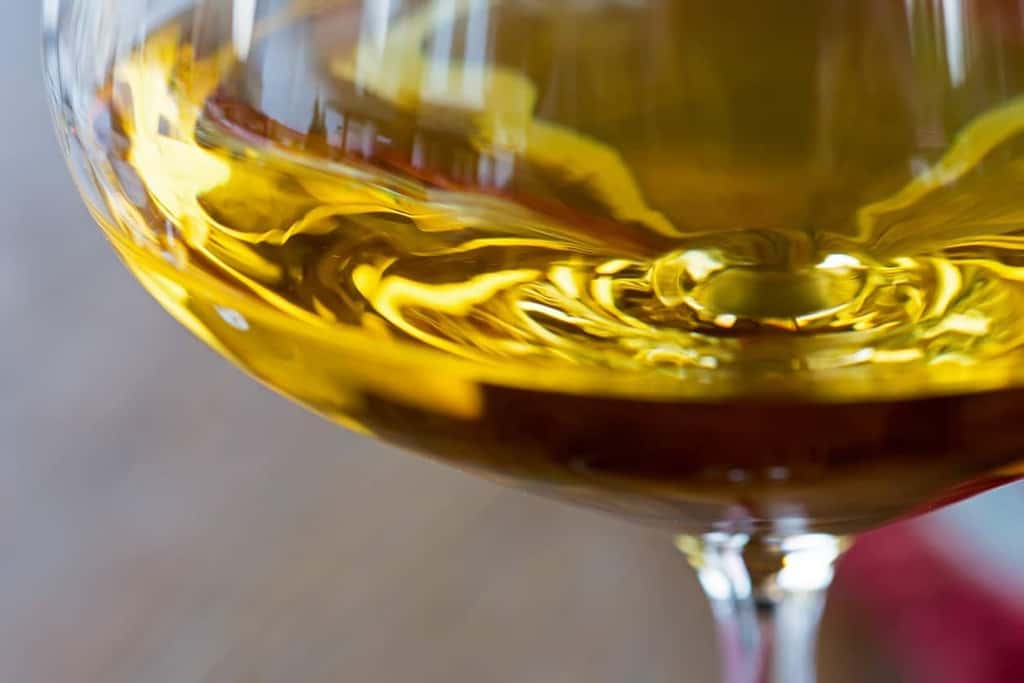
When vinified sweeter, it is richly textured with layers of honey, lanolin, and lush florality. Here, it’s a dessert wine and is traditionally paired with foie gras, but would also work well with sharp and tangy cheeses after a meal. The Sweet Bordeaux Regional Association also recently showed Winetraveler the potential to pair these wines with fresh seafood, including Sushi and Raw Oysters.
Sauternes has been called “liquid gold” on more than one occasion, and it really is that delicious.
RELATED: Discover The 10 Appellations of Southern Bordeaux
Although blended with Sauvignon Blanc and Muscadelle in Sauternes, the dry single-varietal Australian bottlings are gaining more attention and are absolutely worth seeking out.
Wine Growing Regions for Semillon
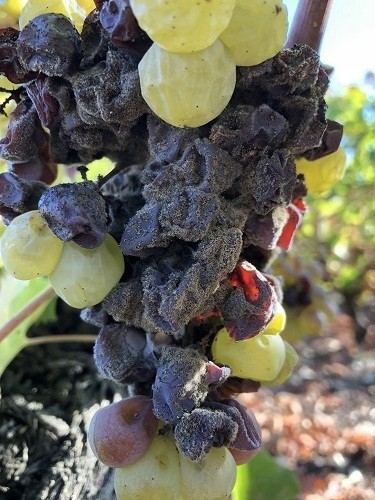
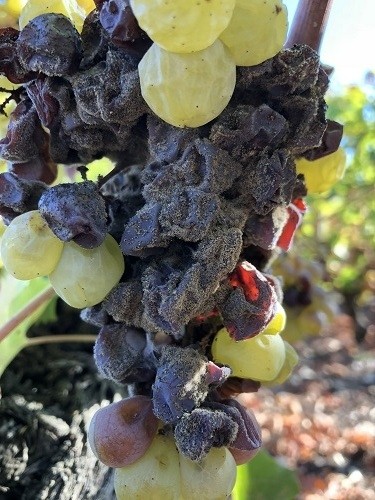
[caption id="attachment_8807" align="alignright" width="250"] A good example of Botrytis affected Semillion grapes in Barsac. The cluster is only about 50% affected, so these grapes will be picked and then a second pass will be taken some days later to finish picking the cluster. Image via Greig Santos-Buch in Bordeaux during the late harvest of 2018.[/caption]
Despite the increasing popularity of Semillon in Australia and beyond, Bordeaux remains its motherland. (Note that in France, it’s spelled “Sémillon,” but elsewhere in the world, the accent is not present.) Located south of Graves, Sauternes produces among the most treasured dessert wines in the world, and the star of it all is Semillon. It’s a fairly thin-skinned grape that is prone to being afflicted with botrytis, a fungus that draws out water and effectively concentrates sugars. Neighboring Barsac also produces dessert wine from the Semillon-Sauvignon Blanc-Muscadelle blend. Sauternes and Barsac both experience the perfect climactic conditions for botrytis to develop, with warm days and extra humidity from the proximity to Garonne River.
In Australia, Hunter Valley and Margaret River are the two key regions that produce wines from Semillon. Here, they tend to be highly acidic, bright and fresh when young and grow richer and more mellow with age.
California produces Semillon-based dessert wines as well, and producers in Sonoma are beginning to focus on dryer styles. Washington has had good luck with the variety and is also seeing increasing experimentation with it. And perhaps most surprisingly, China is now producing wines made form Semillon.
Once the most common white grape cultivated in South Africa, Semillon has largely fallen by the wayside in favor of Steen, or Chenin Blanc.
Check out some of these beautiful wines made from Semillon from all over the world:
- Moss Wood Semillon, Margaret River, Australia
- Tyrrell’s HVD Semillon, Hunter Valley, Australia
- L’Ecole 41 Semillon, Columbia Valley, Washington
- Smith Story Lakota’s View Semillon, Sonoma Mountain, California
- Chateau Guiraud, Sauternes, France
- Chateau d’Yquem, Sauternes, France
- Chateau Coutet, Barsac, France
- Chateau Doisy Daene, Barsac, France
Learn About These Other Wine Grape Varieties
Where It Grows
Taste Semillon at the Source
Semillon is tied to a handful of regions. Explore each as a travel destination — with wineries, tours and guides.
Editor’s spotlight
Featured Winery · Semillon
Bee Hunter Wine
★ 5.0
Last Updated on August 23, 2019. Bee Hunter Wines are the brainchild of Ali and Andy DuVigneaud. Andy was born in the heart of the Anderson Valley and has been a winemaker for over 20 ...
Explore Bee Hunter Wine →Visit
Browse all →
Wineries Known for Semillon
Estates specializing in Semillon, open for tastings.
Book It
Tours Featuring Semillon
Bookable experiences in Semillon's home regions.
★ Top rated 30 minutes 📍 Barossa Valley
1 hour 15 minutes 📍 Barossa Valley EcoVine Explorer Vineyard E-Cart Tours
🕑 Morning
★ Top rated 7 hours 📍 Barossa Valley Ultimate Barossa Adventure Day Tour For 2 – Combined Mustang Convertible-Trike
🕑 Full-day
★ Top rated 3 hours 30 minutes 📍 Barossa Valley Classic Mustang Convertible Barossa Valley Half Day Private Tour For 2
🕑 Morning
★ Top rated 6 hours 📍 Barossa Valley Group of Four Private Barossa Wine Tour with Lunch
🕑 Half-day 🍽 Lunch included
★ Top rated 7 hours 15 minutes 📍 Barossa Valley Semillon: Frequently Asked Questions
What does Sémillon taste like?
Sémillon shows lemon, fig, and green apple in youth, often with a waxy, lanolin texture. As it ages, it develops honey, toast, and nutty complexity. In sweet botrytized wines, it offers apricot, marmalade, and honeyed richness balanced by refreshing, mouthwatering acidity.
Is Sémillon sweet or dry?
Sémillon is made in both styles. Dry Sémillon, often blended with Sauvignon Blanc, is crisp and mineral. It also produces some of the world's greatest sweet wines, notably Sauternes, where botrytis concentrates the grape into a luscious, honeyed dessert wine.
What foods pair with Sémillon?
Dry Sémillon pairs with fish, shellfish, roast chicken, and creamy sauces, its waxy texture matching richer dishes. Aged versions suit smoked fish and mild curries. Sweet Sémillon like Sauternes is classic with foie gras, blue cheese, and fruit-based desserts such as tarts and custards.
How does Sémillon compare to Sauvignon Blanc?
Sémillon is rounder, lower in acidity, and waxier than the zesty, herbaceous Sauvignon Blanc. The two are often blended, with Sémillon adding body and texture and Sauvignon contributing bright acidity and aromatics. Sémillon also ages far more gracefully into honeyed complexity.
Where is Sémillon grown?
Sémillon is prominent in Bordeaux, especially Sauternes and white Graves, where it excels in blends. Australia's Hunter Valley produces distinctive age-worthy dry Sémillon. It is also grown in South Africa, Washington State, Chile, and parts of France's southwest, valued for its texture and aging potential.
How should I serve Sémillon?
Serve dry Sémillon chilled at 48-52°F (9-11°C) to preserve freshness and texture. Sweet Sauternes-style wines are best around 50-54°F (10-12°C). Use a standard white wine glass, and consider decanting older dry versions to open up their honeyed, waxy, developed aromas over time.