
← Part of the Provence wine region guide
Provence is the place that taught the world to take rosé seriously. Nearly nine bottles in ten made here are pink, and the best of them are dry, pale and structured enough to carry a whole dinner, not just an aperitif. But if you only chase rosé you miss half the story. The same hills give you the brooding, ageworthy Mourvèdre reds of Bandol and the salt-edged whites of Cassis, grown on terraces that fall almost into the sea. These are the fifteen estates I would actually drive out to visit, what to taste at each, and how to do it without the wrong kind of fuss.
If it is guided experiences and day tours you want, we have a separate piece on the best Provence wine tastings and tours, and I have gathered a few of the best below. For the wider region, its towns and its beaches, start at our Provence destination hub.
Provence’s Wine Appellations in Brief
Each estate below is tagged with its appellation, so here is the thirty-second version. Côtes de Provence is the big one, sprawling from behind Toulon east to the Gulf of Saint-Tropez and producing most of the rosé you have ever poured from a Provence bottle. Bandol, on the terraces above the fishing town of the same name, is the red-wine stronghold, built on Mourvèdre. Cassis, next door, is tiny and almost entirely white. Coteaux d’Aix-en-Provence covers the hills around Aix, and Les Baux-de-Provence is a small organic enclave in the white limestone of the Alpilles. The whole lot fits inside a couple of hours’ driving, which is what makes a Provence wine trip so easy to string together.
The Best Wineries to Visit in Provence
Château d’Esclans
Where: La Motte, Côtes de Provence · Official site
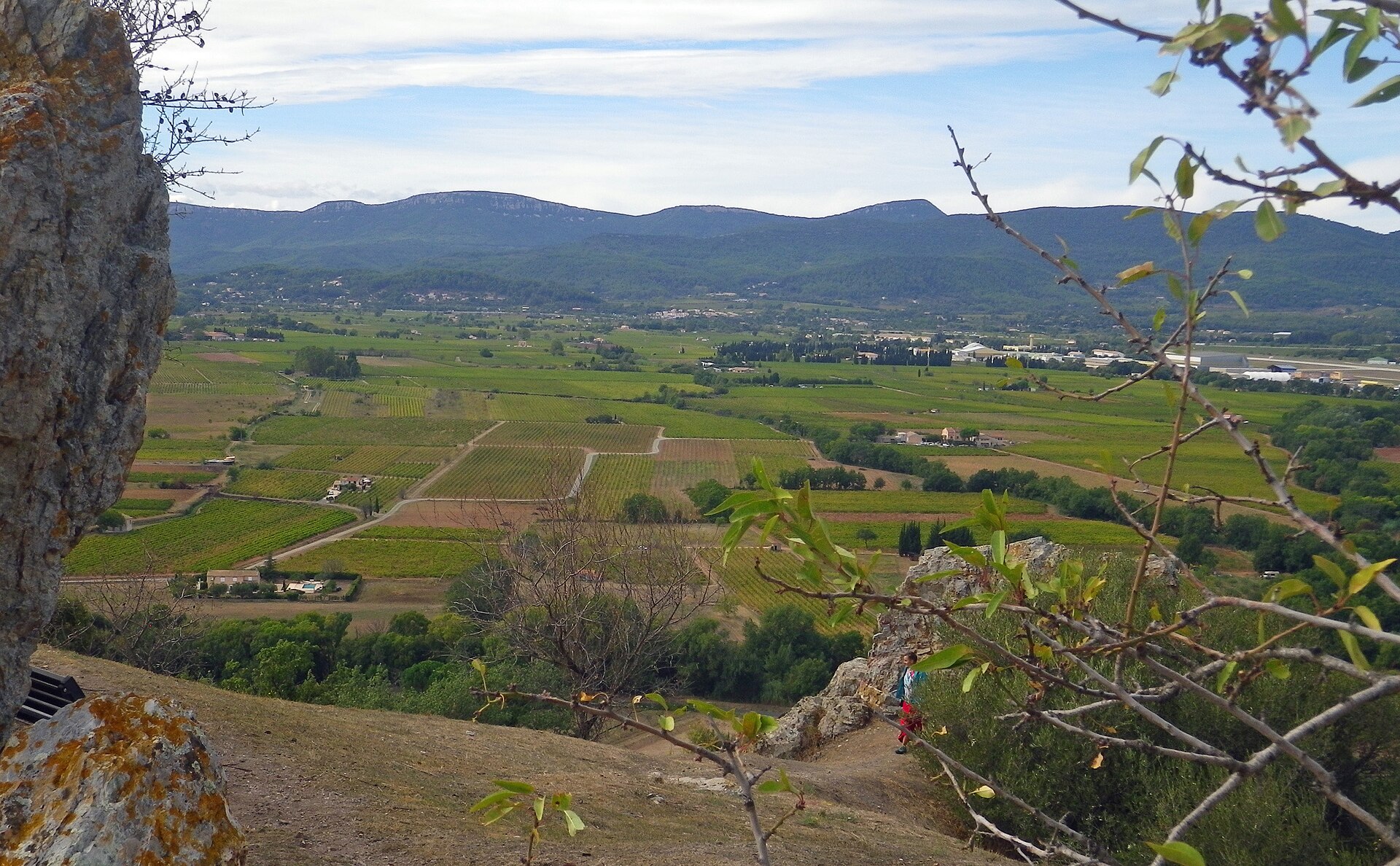
This is the house that made Whispering Angel a global phenomenon and, in doing so, dragged Provence rosé upmarket. Sacha Lichine bought the estate in 2006 with the idea that pink wine could be as serious as anything else, and the top cuvées, Les Clans and Garrus, are barrel-fermented rosés that will change your mind about the category. Now part of Moët Hennessy, the château sits in a wooded valley near La Motte and receives visitors by appointment for tastings that walk you up the range. Go for the view of what rosé can be at the top end, not for a bargain.
Château Sainte Roseline
Where: Les Arcs-sur-Argens, Côtes de Provence (cru classé) · Official site
One of the handful of estates classified as a cru classé back in 1955, Sainte Roseline is as much a heritage visit as a wine one. The vineyard grew up around a medieval abbey, and its chapel holds the relics of the saint herself alongside a mosaic by Marc Chagall, a combination you will not find at any other winery on earth. Outside, a sculpture park wanders through the grounds. The rosés are polished and the reds better than the region’s reputation suggests, and the cellar door welcomes walk-ins for tastings most days.
Château Léoube
Where: Bormes-les-Mimosas, Côtes de Provence · Official site
Léoube farms organically right down to the Mediterranean, in a protected stretch of coast near Bormes-les-Mimosas that feels a world away from the Riviera crowds. It belongs to the Bamford family, the people behind Daylesford Organic in England, and the whole estate carries that same clean, unfussy ethic. Taste the rosés at the cellar, then walk down through the vines to Café Léoube on Pellegrin beach, where the wines are poured with lunch a few steps from the water. It is the easiest place in Provence to combine a tasting with a swim.
Château Minuty
Where: Gassin, Côtes de Provence (cru classé) · Official site
If you are anywhere near Saint-Tropez, Minuty is the estate to see. Run by the Matton family for generations, it sits below the hill village of Gassin and makes the rosés you will spot on ice buckets all along the peninsula, from the everyday M de Minuty up to the serious, single-plot Rosé et Or. The tasting room is well organised for visitors, and a cellar tour explains how the pale, delicate style the world now associates with Provence is actually made. Pair it with lunch in Gassin, one of the loveliest perched villages on the coast.
Domaine Tempier
Where: Le Plan-du-Castellet, Bandol · Official site
Tempier is the legend of Bandol, the estate that effectively defined the modern appellation under the Peyraud family and became a byword for Provençal living thanks to the late Lulu Peyraud and her long lunches. The reds, from the estate blend up to the single-vineyard La Migoua, La Tourtine and Cabassoau cuvées, are dark, savory Mourvèdre built to age for a decade or more, and the rosé is one of the richest and most food-friendly in France. Tastings happen at the working cellar by appointment, and they are worth arranging well ahead.
Château de Pibarnon
Where: La Cadière-d’Azur, Bandol · Official site
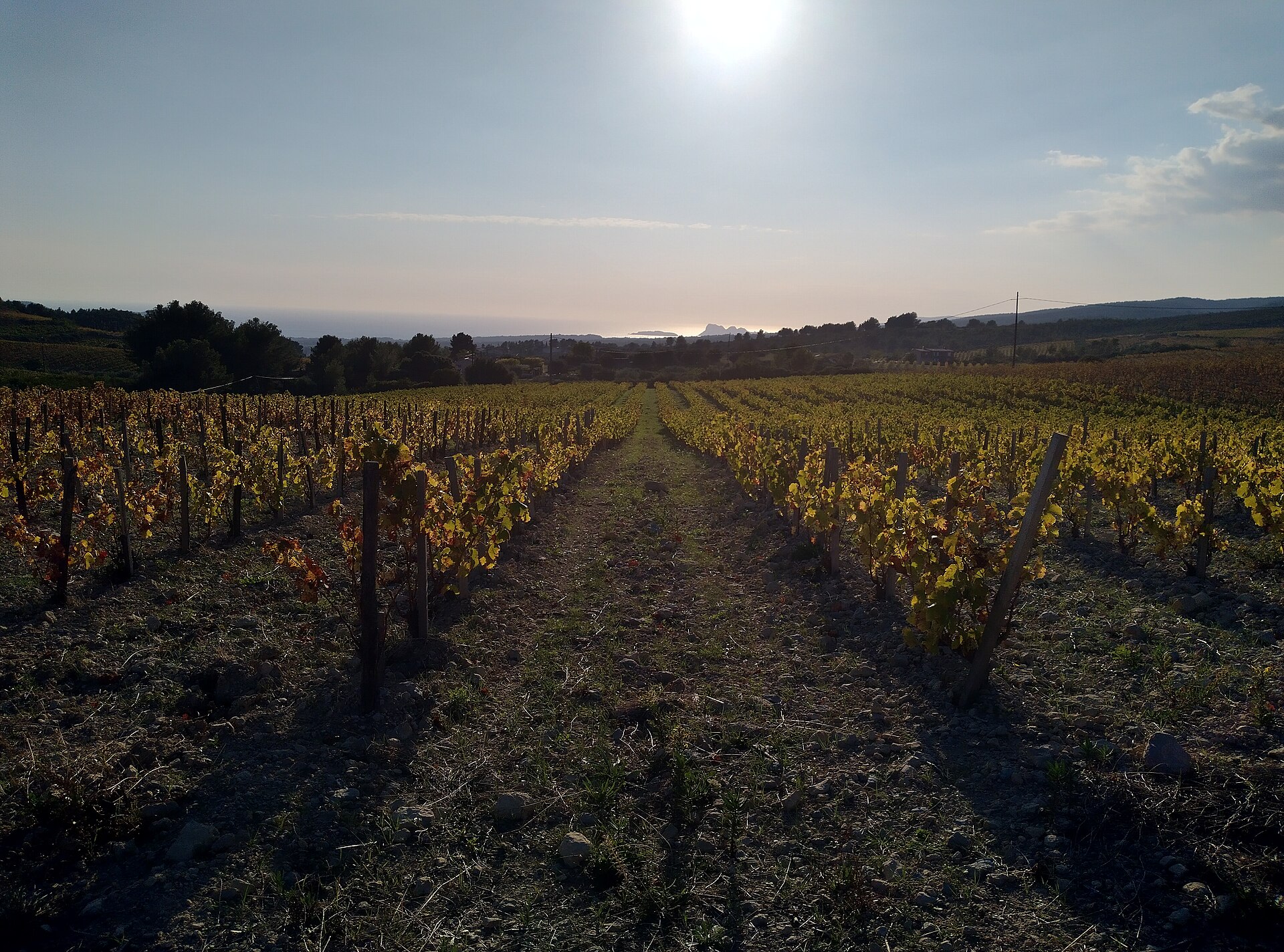
Pibarnon farms some of the highest terraces in Bandol, an amphitheatre of vines around 300 metres up with the sea glittering below, and the altitude shows in the wines: the reds have an elegance and lift that sets them apart from the heavier end of the appellation. The de Saint Victor family has run it since the 1970s, and the visit combines a walk on the terraces with a tasting that usually includes a back vintage or two. Of all the Bandol estates, this is the one with the view.
Domaine de Terrebrune
Where: Ollioules, Bandol · Official site
Terrebrune takes its name from the brown Triassic clay its vines grow in, and the Delille family makes wines of real depth from it, with an old-school Mourvèdre red that rewards patience and a rosé with more grip than most. What makes it a standout visit is the restaurant on site, which serves Provençal cooking built around the estate’s wines, so you can taste, eat and taste again without moving the car. Add Château Pradeaux at Saint-Cyr-sur-Mer, in the Portalis family since 1752, and Domaine du Gros’Noré at La Cadière, and you have a full day of serious Bandol.
Château Pradeaux
Where: Saint-Cyr-sur-Mer, Bandol · Official site
Pradeaux is the traditionalist of Bandol, in the same family since the eighteenth century and making its reds the slow way, from old Mourvèdre vines with long ageing in big old casks before release. The result is a wine that is unapologetically dark and tannic in youth and remarkable with a decade behind it, which is exactly why collectors chase it. The cellar is a short drive from the beach at Saint-Cyr, and a tasting here is a good corrective for anyone who thinks Provence is only about drinking pink in the sun.
Clos Sainte Magdeleine
Where: Cassis · Official site
This is the postcard estate of Cassis, its terraces running straight down toward the water beneath Cap Canaille, the highest sea cliff in France. The Sack family makes the appellation’s signature white from Marsanne and Clairette, saline and herbal and cut precisely for a plate of grilled fish by the harbour, along with a small amount of rosé. Tastings are by appointment and space is limited, so book, then buy a bottle, walk down to the port and drink it looking back up at the cliff. Domaine du Bagnol and Château de Fontcreuse are the other Cassis names worth seeking out.
Château La Coste
Where: Le Puy-Sainte-Réparade, Coteaux d’Aix-en-Provence · Winetraveler profile · Official site

The estate everyone should see at least once. La Coste is an organic and biodynamic vineyard north of Aix that doubles as an open-air museum, with a Tadao Ando tasting pavilion at its centre and walking trails past work by Louise Bourgeois, Richard Serra, Frank Gehry and Ai Weiwei. Book time to walk the art trail, not just to taste, and stay for lunch at one of the restaurants. The wines, across all three colours, are well made and honest rather than the main event, but the whole experience is unlike any other winery visit in France. Our Aix-en-Provence guide helps you base yourself nearby.
Château Calissanne
Where: Lançon-Provence, Coteaux d’Aix-en-Provence · Official site
Calissanne is a big, old Provençal estate on the limestone hills above the Étang de Berre, with a history running back through Roman and even earlier settlement, and today it makes wine, olive oil and a warm welcome in roughly equal measure. The reds are the surprise here, structured Syrah and Cabernet blends that outperform their price, alongside good rosé and a crisp white. The shop and tasting room are set up for drop-in visitors, which makes it an easy first stop coming out of Aix or Marseille.
Château Beaulieu
Where: Rognes, Coteaux d’Aix-en-Provence · Official site
Beaulieu has a claim no other Provence estate can make: its vines grow inside the crater of an extinct volcano, a wide bowl of red soil near Rognes that gives the wines a character of their own. It is a large, handsome property with a seventeenth-century château at its heart, and the rosés and reds are reliable, well-priced and widely poured around Aix. The tasting room is welcoming and the drive in, through the crater rim, is half the pleasure. Domaine des Béates nearby is another organic name to look for if you have time.
Domaine de Trévallon
Where: Saint-Étienne-du-Grès, Alpilles · Official site
Trévallon is the cult wine of Provence. Eloi Dürrbach planted Cabernet Sauvignon and Syrah on the limestone of the Alpilles in the 1970s, and the resulting red was so singular that when the Les Baux appellation rules would not accommodate it, the estate simply stepped outside them and carried on, selling out every vintage anyway. The white, a rare Marsanne-Roussanne blend, is nearly as sought after. Visits are limited and strictly by appointment, so this is one to arrange long in advance, but for serious wine lovers it is the pilgrimage of the region.
Château Romanin
Where: Saint-Rémy-de-Provence, Les Baux-de-Provence
Romanin farms biodynamically below the Alpilles and ages its wines in a vast cathedral of a cellar cut straight into the rock, which is reason enough to visit. The estate has a long history, with a medieval chapel on the property, and the reds, built on Syrah, Grenache and Mourvèdre, are among the most complete in the appellation. It is a few minutes from Saint-Rémy-de-Provence, which makes it an easy add to a day in the town Van Gogh painted, and the tasting room welcomes visitors most of the year.
Mas de la Dame
Where: Les Baux-de-Provence, Les Baux-de-Provence · Official site
Van Gogh painted this farmhouse in 1889, and it has barely changed on the outside since. Today it is run by two sisters, farmed organically, and makes some of the most welcoming wines in the Alpilles, with a bright rosé, honest reds and a lovely white, plus olive oil from the surrounding groves. It sits at the foot of the road up to Les Baux itself, so pair a tasting with the village, one of the most dramatic perched towns in Provence, and the quarry light show at the Carrières des Lumières nearby. The shop is open to walk-ins.
Guided Provence Wine Tours Worth Booking
Several of the estates above ask for appointments and most of them are a drive apart, so if you would rather leave the logistics to someone else, these small-group days cover the ground well. The Bandol and Cassis day from Marseille pairs the two coastal appellations, the Les Baux tour takes in the Alpilles estates, and the e-bike day from Saint-Rémy is the gentlest way to see the vines. For the full list, see our guide to the best Provence wine tastings and tours.
 ★ Top rated 7h 30m 📍 Marseille
 Full-Day Wine Tour around Bandol & Cassis from Marseille
★ Top rated 5h 📍 Aix-en-Provence Half-Day Wine Tour in Bandol & Cassis from Aix-en-Provence
8h 📍 Les Baux-de-Provence
★ Top rated 5 to 8 hours 📍 Saint-Rémy-de-Provence Provence Wine Tasting by E-Bike from Saint-Rémy-de-Provence
Visiting Provence Wineries: Reservations, Seasons and Etiquette
A few things worth knowing before you go. Many of the larger Côtes de Provence estates welcome walk-ins for a quick tasting at the caveau, but the smaller and more prestigious domaines, Tempier, Trévallon and Clos Sainte Magdeleine among them, ask you to book, so email ahead a day or two for anywhere you really care about. Tastings are often free or a modest fee waived with a purchase, which is not the American model, so buy a bottle or two if you have enjoyed yourself. Lunch is sacred: cellars frequently close from roughly noon to two, so plan tastings for mid-morning and late afternoon around a long lunch.
On timing, late spring and September are ideal, with warm days and the vines in full leaf, while July and August bring heat and crowds along the coast. Harvest runs late August into September, an atmospheric time to visit as long as you accept the cellars are busy. Bandol in particular rewards slowing down, and the terraces are made for exploring by bike between estates; we have mapped exactly that in our Bandol wineries cycling itinerary.
Where to Stay Between Tastings
Provence is big enough that where you sleep shapes which cellars you reach, so pick a base for the estates you most want to see. A few places we would happily book again, by base:
Aix-en-Provence and the Coteaux d’Aix. The best all-round base for Château La Coste, Calissanne and Beaulieu, with the Alpilles an easy drive west. Stay in the old town so you can walk to dinner after a day of tasting.
Les Baux and the western edge. Domaine de Manville sits among the olive groves below Les Baux, minutes from Mas de la Dame and Château Romanin. Across the Rhône, Le Vieux Castillon is a small hotel folded into the medieval village of Castillon-du-Gard, two miles from the Pont du Gard and about thirty-five minutes from Avignon; we stayed there and would go back, and it puts Trévallon and the Alpilles within an easy morning’s drive.
Bandol and Cassis. The coast between Marseille and Toulon puts both appellations within reach. Sofitel Marseille Vieux-Port makes a comfortable city base, with Cassis half an hour east and the Bandol terraces just beyond.
The Var interior. For the eastern Côtes de Provence, the villages inland are quieter and better value than the beach resorts, and Château de Berne near Lorgues lets you sleep on a working wine estate, with its own cellar, restaurants and vines outside the window.
The Saint-Tropez side. Hôtel Byblos is the classic Saint-Tropez address for a splurge. For something calmer on the water, Hôtel Le Bailli de Suffren at Le Rayol-Canadel-sur-Mer has sea-view terraces and a private beach, about sixteen miles from Saint-Tropez and a short drive from Château Léoube at Bormes-les-Mimosas.
For more of the region’s finest addresses, see our guide to the best luxury hotels in Provence. Hotel links are affiliate links; booking through them supports Winetraveler at no extra cost to you.
Frequently Asked Questions
What are the best wineries to visit in Provence?
For rosé, Château d’Esclans and Château Sainte Roseline in the Côtes de Provence are standouts; for reds, Domaine Tempier and Château de Pibarnon in Bandol; for whites, Clos Sainte Magdeleine in Cassis; and for art and architecture, Château La Coste near Aix. Each welcomes visitors, most by appointment for the smaller estates.
Do Provence wineries only make rosé?
No. Rosé is the majority of production, but Bandol makes some of France’s finest ageworthy reds from Mourvèdre, and Cassis is dedicated almost entirely to mineral white wines. Most estates make all three colours.
Do you need to book Provence wine tastings in advance?
Larger Côtes de Provence estates often take walk-ins, but smaller and prestigious domaines increasingly ask you to reserve. Email a day or two ahead for anywhere you especially want to visit, and remember many cellars close over lunch.
When is the best time to visit Provence wine country?
Late spring and September are ideal, with warm weather, green vines and fewer crowds than the peak of July and August. Harvest falls in late August and September.
Sources and Further Reading
- Vins de Provence (CIVP), the official body for Côtes de Provence, Coteaux d’Aix and Coteaux Varois
- Vins de Bandol, the Bandol appellation council
- Maison des Vins de Cassis, on the Cassis appellation


Collect your Winetraveler passport — tap the regions & grapes you’ve tasted. Your stamps follow you across the whole site.
- Curious1 stamps
- Explorer3 stamps
- Connoisseur6 stamps
- Sommelier12 stamps
- Vigneron20 stamps
Your stamps are saved on this device.