Wine destination
Italy is the world's largest wine producer, and — unusually — it makes wine in every one of its twenty regions, from the Alps to Sicily.

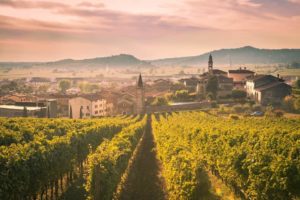
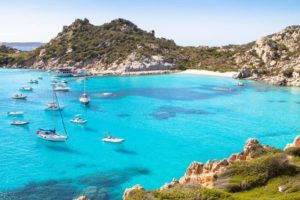

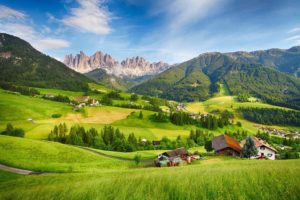
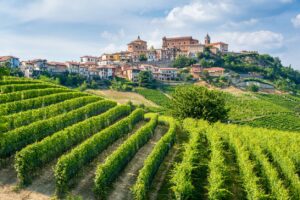
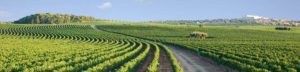
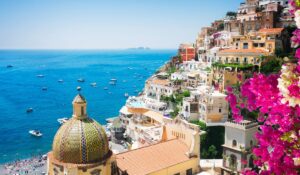
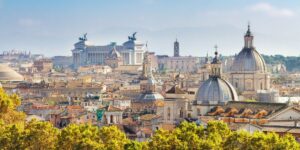

Italy is the world's largest wine producer, and — unusually — it makes wine in every one of its twenty regions, from the Alps to Sicily. That range is the whole point of a wine trip here: you can taste snow-fed alpine whites in the Dolomites one week and sun-baked coastal reds within sight of the sea the next, and the food, dialect and landscape change just as sharply between them. Italy counts nearly 80 DOCG appellations and more than 300 DOCs, but you don't need the acronyms to travel well — you need to know which regions reward a visit, and how to string them together.
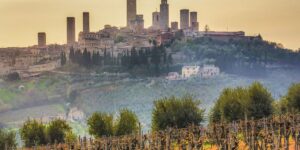
For most first-timers the road leads to Tuscany. Its rolling Sangiovese country — Chianti Classico between Florence and Siena, Brunello at Montalcino, Vino Nobile at Montepulciano — is the most visitor-ready wine landscape in the country, thick with hilltop towns, agriturismos and cellar doors. Just north, Piedmont is Tuscany's serious cousin: Nebbiolo turned into Barolo and Barbaresco in the fog-wrapped hills of the Langhe, best in autumn when the white-truffle season overlaps the harvest.
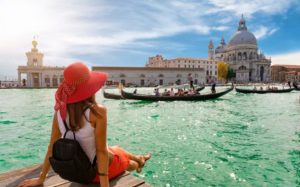
The northeast is sparkling-wine country and more. Veneto pours Prosecco from the terraced Conegliano–Valdobbiadene hills, Amarone from Valpolicella and crisp whites around Lake Garda, while Trentino-Alto Adige, up against Austria, makes some of Italy's most precise mountain whites. Head south and the wines turn warmer and easier on the wallet: Sicily has the volcanic reds and whites of Mount Etna and juicy Nero d'Avola; Puglia, the heel, runs on Primitivo and Negroamaro; and around Rome, Lazio keeps the crisp whites of the Castelli Romani hills.
Italy is easy to travel. Fast trains link Rome, Florence, Milan, Venice and Naples in a few hours each, and most wine regions sit a short drive beyond a major city — Florence for Chianti, Turin or Alba for Barolo, Verona for Valpolicella, Catania for Etna. Spring and early autumn are the sweet spots almost everywhere: the vineyards are working, the light is soft, and the crowds of July and August have thinned. Use the region guides below to plan where to base, which wineries and tours to book, and when to go.
Italy makes wine in all 20 of its regions. Start with our in-depth guides to the ones most worth a trip:
Marquee estates across the regions (all require advance booking):
RELATED: For more, see our guide to the best Italian wineries, vineyard resorts and tours.
Day tours run from every major gateway city — Florence for Chianti, Turin for Barolo, Verona for Amarone, Catania for Etna: