
Rome is a city you drink in as much as you look at. Between the ruins and the churches there are wine bars older than most countries, pasta worth crossing a continent for, and a ring of vineyard hills just beyond the suburbs where Romans have gone to eat and drink for two thousand years. You could spend a lifetime here and not finish it. This is our guide to the things worth doing on a wine lover’s trip to Rome: the sights that earn their ticket, the enotecas where the city actually drinks, what to eat, and the easy day trips into the Castelli Romani. For a day-by-day plan, pair it with our three-day Rome itinerary.
Rome’s Wine in Two Minutes
Rome sits in Lazio, a region that has always drunk more than it exported, which is exactly why its wines are a discovery for visitors. The famous name is Frascati, a dry white from the volcanic Castelli Romani hills south of the city, made mostly from Malvasia and Trebbiano and at its best when it is young, cool and poured with a plate of porchetta. The same hills produce a cluster of related whites, from Marino to Colli Albani. The red to look for is Cesanese, Lazio’s own grape, grown east of Rome around Piglio, Olevano Romano and Affile and increasingly made with real ambition. You will also see Roma DOC on lists, a newer appellation covering wines from the province itself. Order the house white in a trattoria and it will almost always come from the hills you can see on a clear day.
The Classic Sights
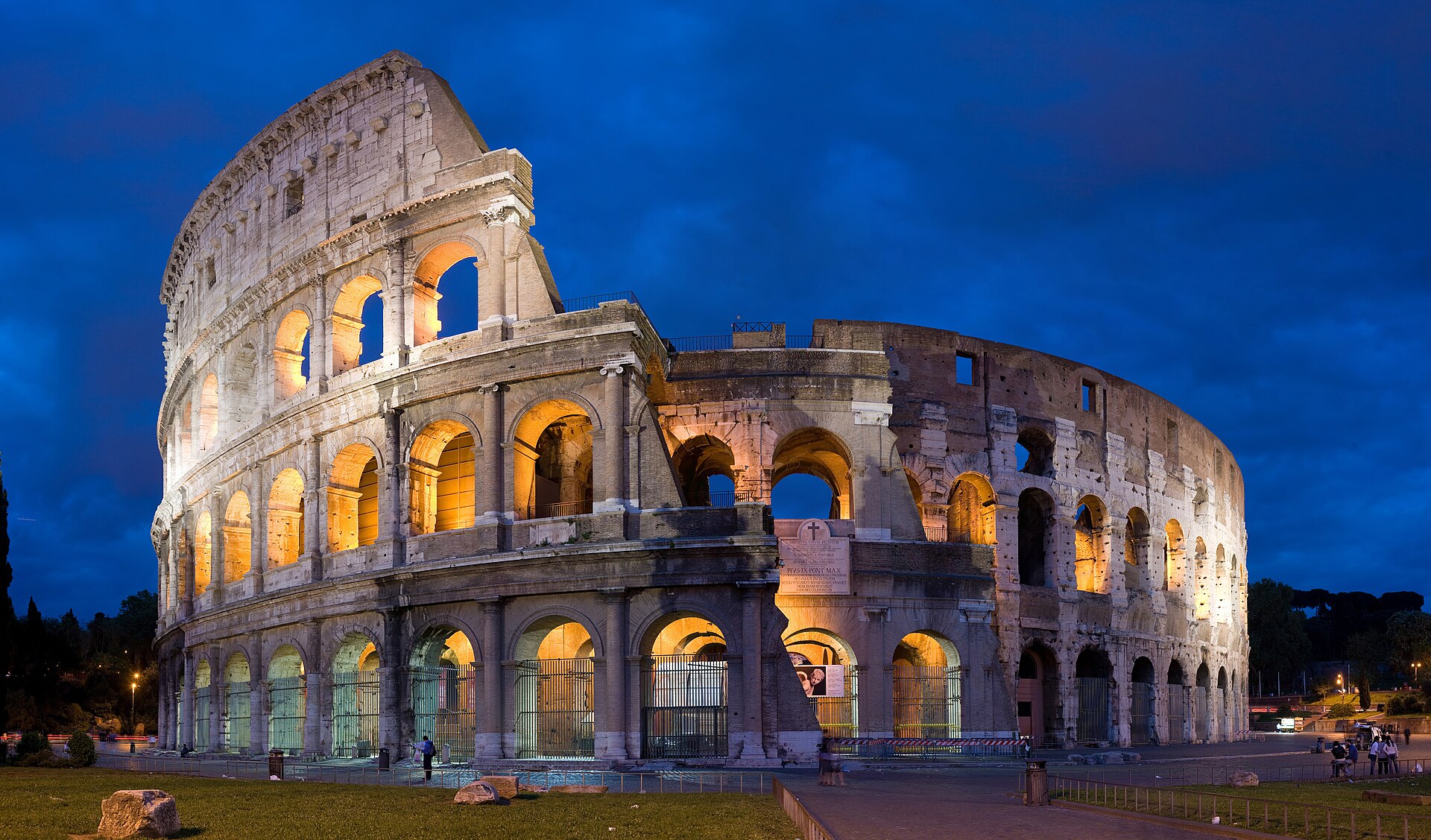
You cannot come to Rome and skip the icons, nor should you. The Colosseum, the Roman Forum and Palatine Hill sit together in one archaeological park, and a timed, named ticket booked ahead on the official colosseo.it site saves hours in line; if you would rather have the history explained, book a guided Colosseum, Forum and Palatine tour. The Pantheon, nearly two thousand years old and still roofed by the largest unreinforced concrete dome ever built, now charges for entry: the ticket rose to 7 euros from 1 July 2026, with free admission on the first Sunday of each month, and it is worth every cent (a one-hour guided Pantheon tour adds the context the building does not explain itself). Throw a coin into the Trevi Fountain, climb the Spanish Steps, and cross the river to Vatican City for St. Peter’s Basilica and the Sistine Chapel, the one part of the trip where an early slot or a guided entry really is worth paying for: this skip-the-line Vatican Museums, Sistine Chapel and St. Peter's tour is the most-booked in the city. Piazza Navona, Castel Sant’Angelo and the Borghese Gallery, set in its gardens and strictly ticketed in two-hour slots (book a small-group Borghese Gallery tour if the official slots are gone), round out the essentials.
Wander the Neighborhoods
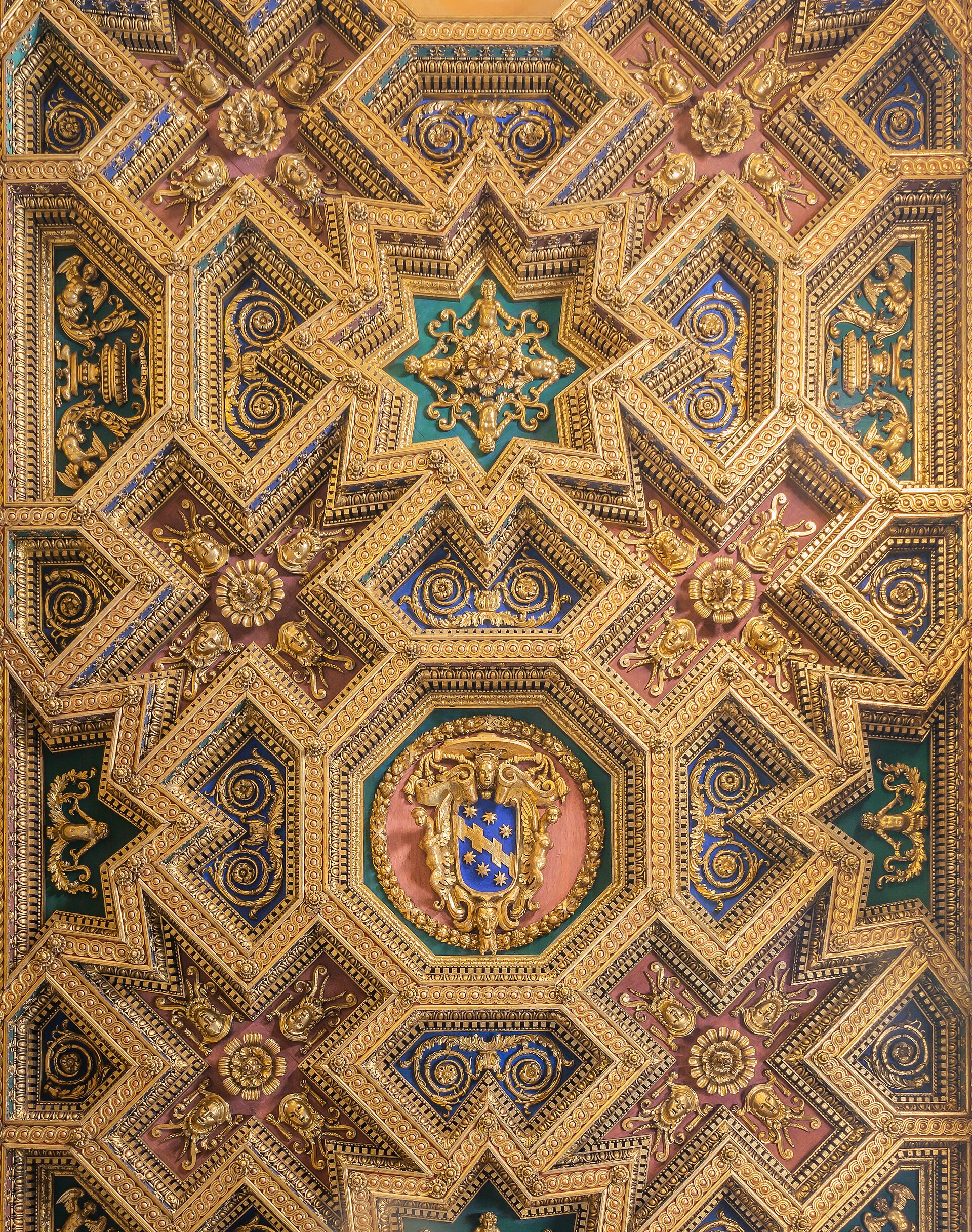
The monuments are the reason people come, but the neighborhoods are why they fall in love. Trastevere, across the Tiber, is the postcard: cobbled lanes, ivy-hung facades, a medieval basilica on its main square and a nightlife that spills out of the wine bars after dark. Monti, tucked behind the Colosseum, is the stylish one, full of vintage shops, small trattorias and a piazza made for an evening drink. Testaccio, built around an ancient hill of broken amphorae, is the city’s great food quarter, anchored by the covered Mercato di Testaccio, open Monday to Saturday until mid-afternoon; the Testaccio food and market tour is the best way to eat through it with a local. And the Jewish Ghetto, established in 1555 and one of the oldest in Europe, is where you go for carciofi alla giudia, the crisp fried artichokes that are a Roman institution. Give yourself an aimless afternoon in each, or let the Trastevere and Jewish Ghetto food and wine tour string two of them together over fifteen tastings.
The Best Wine Bars in Rome
Rome takes its wine seriously, and the enoteca, the wine bar and shop rolled into one, is one of the city’s great institutions. Many pour by the glass from every corner of Italy, and the best of them now champion Lazio: Frascati and the other volcanic whites of the Castelli Romani, and Cesanese, which is well worth ordering when you see it. These are the fifteen wine bars in Rome we would send a friend to, grouped by neighborhood. Every one is open as of September 2026, and we have noted the two things that trip visitors up most: which ones take reservations, and which close on Sundays. Settle in for an aperitivo in the early evening, or make a proper meal of it at one of the enotecas that cook as well as they pour.
Centro Storico: Navona, Campo de’ Fiori and Piazza del Popolo
Enoteca Cul de Sac (Piazza di Pasquino 73) has been pouring since 1977 and keeps one of the longest lists in the city, around 1,500 labels, a minute from Piazza Navona. It opens daily from noon until late; there is no online booking, so phone ahead at weekends or arrive early for the terrace. Rated 4.3 on Google across more than 2,600 reviews.
Il Goccetto (Via dei Banchi Vecchi 14) is the classic standing-room bar for a glass and a plate of cheese, run for 40 years in a former bishop’s residence with the bottles stacked to the ceiling. No reservations, closed Sundays, Monday evening only. Rated 4.5 on Google across more than 1,000 reviews.
L’Angolo Divino (Via dei Balestrari 12) sits behind Campo de’ Fiori and has been an enoteca since 1946 and a wine bar since 1996, now in the third generation with sommelier Massimo Crippa behind the counter. The list leans organic, the hot and cold Roman plates are proper food, and it stays open until after midnight. Walk in, or book for a guided tasting. Rated 4.5 on Google across more than 800 reviews.
Il Vinaietto (Via del Monte della Farina 38) is the cheapest good glass in the center: a 1960s vino-e-olio shop near Largo Argentina where the crowd spills onto the street with a chalkboard glass in hand. No kitchen, no reservations, no seats to speak of, closed Sundays. Rated 4.7 on Google across more than 750 reviews.
Enoteca Il Piccolo (Via del Governo Vecchio 74) has been the Navona-side local since 1980, with ten seats inside, forty on the lane and a list of about 150 labels that has drifted toward natural producers. Open daily from noon to 1 am; bookings by phone only, a day ahead. Rated 4.2 on Google across nearly 800 reviews.
Roscioli Salumeria con Cucina (Via dei Giubbonari 21) is part salumeria, part restaurant, part cellar, with 2,800 labels and carbonara that people fly in for, and it was named best trattoria in Italy by 50 Top Italy for 2026. Book a table online well ahead; seatings are timed, a card guarantee is required, and walk-ins rarely get in. Rated 4.3 on Google across more than 6,500 reviews.
Enoteca Buccone (Via di Ripetta 19) is the daytime option, a marble-countered bottega dating to 1870 and run by the Buccone family since 1969, fifty meters from Piazza del Popolo. Wine by the glass and Roman plates from 10 am to 10 pm, with lunch every day and dinner on Fridays and Saturdays. Rated 4.6 on Google across more than 670 reviews.
Monti and Termini
Ai Tre Scalini (Via Panisperna 251) is the Monti wine bar that gets busy early: a bottiglieria dating to 1895, open daily from noon to midnight, and it takes no bookings at all, so arrive before eight. Rated 4.5 on Google across more than 5,000 reviews.
Fáfiuché (Via della Madonna dei Monti 28) is the serious cellar in Monti, a father-and-son enoteca open since 2007 with around 800 labels and some 300 of them Barolo and Barbaresco, plus a Piedmont-and-Puglia kitchen and a good aperitivo deal. Evenings only, closed Sundays. Rated 4.5 on Google across more than 700 reviews.
Trimani Il Wine Bar (Via Cernaia 37b) is the bar run by Trimani, the Via Goito shop that has been selling wine since 1821 and is a five-minute walk from Termini. Lunch and dinner service, tables rather than standing room, and a deep all-Italy list; both shop and bar close on Sundays. Rated 4.2 on Google across more than 350 reviews.
Trastevere, Testaccio and Garbatella
Enoteca L’Antidoto (Vicolo del Bologna 19) is the natural-wine pick in Trastevere: a small, candlelit room with a European list of low-intervention producers, seasonal plates sourced from Lazio farms, and bottles rather than glasses. Evenings Tuesday to Saturday; reservations strongly advised. Rated 4.5 on Google across nearly 300 reviews.
Vinificio (Piazza dell’Emporio 1) is the late-night one, on the edge of Testaccio by the river, with more than 500 natural references, a sommelier-led list, DJs at weekends and around 200 covers, open until 2 am. Rated 4.3 on Google across more than 600 reviews.
La Mescita (Via Luigi Fincati 44, Garbatella, with a second room at Via Fratelli Bonnet 5 in Monteverde) is the bar Star Wine List ranks among the top three in the city. There is no printed list; owner Angelo asks what you like and pours from a natural, minimal-intervention cellar. Evenings from 6 pm. Rated 4.4 on Google across more than 600 reviews.
Prati and Flaminio
Solovino Enoteca Naturale (Via Rialto 25) is the best-rated wine bar on the Vatican side of the river, a 100 percent natural enoteca near Cipro metro with more than 1,500 labels, a RAW WINE membership and plant-forward plates. Open from 11 am, closed Sundays. Rated 4.8 on Google across nearly 200 reviews.
Mostò (Viale Pinturicchio 32) is the detour for the museum district, a small natural-wine bar near MAXXI that has poured pét-nat and Italian and French growers with oysters and pâté since 2015. Open nightly from 5:30 pm. Rated 4.5 on Google across nearly 300 reviews.
For Lazio wines specifically, VyNIQUE Enoteca Regionale del Lazio on Via Frattina near the Spanish Steps pours more than 100 wines from the region with a Lazio-only kitchen; it is more restaurant than bar, but it is the one place in the center built entirely around Frascati, Cesanese and their neighbors.
Wine Tours and Tastings From Rome
If you would rather have someone drive you into the vineyards, these are the tours we would book from the city. They run from a half day in the Frascati hills with lunch, to a pasta class and tasting with a family producer, to a full day that leaves the region altogether for Montepulciano. We earn a small commission if you book through the links below, at no extra cost to you.
A five-hour run out to the Frascati hills with a cellar visit, tastings and lunch, the classic Castelli Romani day without the driving.
Check availability on ViatorThe best-reviewed wine experience on the Frascati side of Rome: a hands-on pasta class with a family producer, a tasting of their wines and a look inside the cellar.
Check availability on ViatorThe big day out: Montepulciano and the Val d'Orcia from Rome with a winery lunch, for anyone who wants Tuscany in a single day.
Check availability on ViatorFor a longer list, see our roundup of the best wineries to visit near Rome, which covers the estates you can reach on your own.
Eat Like a Roman
Roman food is built on a handful of perfect dishes, and eating your way through them is a highlight in itself. The four great pastas are cacio e pepe (pecorino and black pepper), carbonara (egg, guanciale and pecorino, never cream), amatriciana (tomato and guanciale) and gricia, the ancestor of them all. Add supplì, the fried rice balls sold in every pizza-by-the-slice spot, thin Roman-style pizza, and gelato from an artisan gelateria rather than the fluorescent tourist tubs. Mornings mean a cappuccino and a cornetto standing at the bar, the way Romans do it. Eat where the menus are short and the locals are, and drink the house white.
Pairing tip: Frascati and the other Castelli whites are made for the salty, fatty end of the Roman table, so order them with carbonara, gricia, supplì and fried artichokes. Cesanese, with its soft tannin and dark fruit, is the glass for amatriciana, oxtail and saltimbocca.
Day Trips: Frascati and the Castelli Romani

When the city heat builds, do what Romans have always done and head for the hills. The Castelli Romani, a cluster of towns in the volcanic Alban Hills south of the center, are the closest wine country to Rome and an easy escape: regional trains on the FL4 line reach Frascati from Termini in about half an hour. Frascati is the name on the wine, a fresh, easy-drinking white poured in the town’s traditional fraschette alongside porchetta and bread; Cantina Simonetti on Piazza San Rocco and Osteria Fraschetta Trinca on Viale Balilla are two of the real ones, open evenings on weekdays and for lunch at weekends. Nearby, Castel Gandolfo overlooks the crater lake of Albano and is once again the papal summer residence, a tradition Pope Leo XIV revived in 2025. The Barberini Gardens can still be toured from April to October, booked ahead through the Vatican Museums and closed on Sundays, but access to the Apostolic Palace itself has been curtailed since the Pope moved back in, so check before you plan around it. Ariccia is famous for its porchetta, and Nemi for wild strawberries. It is a low-key, delicious day out that most visitors never make, and if you want it done for you, the Castelli Romani, Frascati and Castel Gandolfo day tour with wine tasting covers the loop with a driver.
If you have another day, Tivoli, east of the city, pairs the Renaissance fountains of Villa d’Este with the vast ruins of Hadrian’s Villa (the Tivoli day trip from Rome does both with transport), and the ancient port of Ostia Antica, closer in, is a quieter, greener alternative to Pompeii, easy by train or on a guided Ostia Antica trip by train. Both are closed or open late on Mondays (Ostia Antica is shut, Villa d’Este opens at 2 pm), so plan them for another day. Use the Rome destination hub to pull the trip together.
When to Visit
Spring (April to June) and autumn (September to October) give the best balance of weather and crowds, and autumn adds the harvest in the Castelli Romani. July and August are hot and busy, and many family-run restaurants and wine bars close for part of August, so check before you set your heart on a particular table. Winter is quiet, cool and often bright, with the shortest lines at the big sights and the cantinas at their coziest.
Practical Tips for Visiting Rome
Rome’s historic center is compact and best seen on foot, so pack good shoes and expect uneven cobbles. Book the Colosseum, the Vatican Museums, the Borghese Gallery and now the Pantheon online in advance, as same-day tickets often sell out. Carry a refillable bottle and use the nasoni, the cast-iron street fountains that run clean, cold drinking water all over the city. Wine shops will pack bottles for travel, and most enotecas will ship a case home for you if you find something you love. And build in slow time: some of the best hours in Rome are the unplanned ones, nursing a glass in a piazza as the light turns gold.
Frequently Asked Questions
How many days do you need in Rome?
Three full days is enough to see the major sights, wander a few neighborhoods and eat well. A fourth or fifth day lets you add a wine day trip to the Castelli Romani or a visit to Tivoli without rushing the essentials.
What wine is Rome known for?
Rome sits in Lazio, best known for crisp white Frascati from the nearby Castelli Romani hills. The region also produces other volcanic whites and its own red grape, Cesanese, all widely poured in the city’s wine bars and enotecas.
Is Frascati worth visiting from Rome?
Yes. Frascati and the surrounding Castelli Romani towns are about half an hour from Termini by regional train, and they make an easy, rewarding wine day trip, with cantinas pouring local white wine alongside porchetta, plus lake views and the papal gardens at Castel Gandolfo.
Do you have to pay to enter the Pantheon?
Yes. The Pantheon has charged for entry since 2023, and the ticket is 7 euros from July 2026, with reduced tickets for visitors aged 18 to 25 and free entry for under-18s and on the first Sunday of each month. Book online to skip the line.
What is the best time of year to visit Rome?
Spring (April to June) and autumn (September to October) offer the best balance of pleasant weather and manageable crowds, and autumn adds the harvest in the Castelli Romani. Summer is hot and busy, and many family-run restaurants close for part of August.
Do Rome wine bars take reservations?
Many do not. Il Goccetto, Il Vinaietto and Ai Tre Scalini are walk-in only, Cul de Sac and Enoteca Il Piccolo take bookings by phone, and Roscioli Salumeria con Cucina and L’Antidoto should be booked online well ahead. Several close on Sundays (Trimani, Il Goccetto, Il Vinaietto, Fáfiuché, Solovino), so plan Sunday around Cul de Sac, Ai Tre Scalini, Buccone or Mostò.
What are the best wine bars in Rome?
In the center, Enoteca Cul de Sac, Il Goccetto, L’Angolo Divino, Il Vinaietto, Enoteca Il Piccolo, Roscioli and Enoteca Buccone are the classics; Ai Tre Scalini and Fáfiuché in Monti and Trimani Il Wine Bar near Termini are the next stops. For natural wine, L’Antidoto in Trastevere, Vinificio in Testaccio, La Mescita in Garbatella, Solovino in Prati and Mostò in Flaminio. Most take no reservations; Roscioli and L’Antidoto need booking.