A charcuterie board is one of the most sociable things you can serve, and one of the most wine-friendly. It is also, technically, a moving target, since a good board mixes salty cured meats, rich pate, tangy and creamy cheeses, briny pickles and sweet fruit all on one plate.
The secret to pairing it is not to chase every element but to choose a versatile, high-acid wine that can dance between them. A few styles do this brilliantly.
The salt and fat of a charcuterie board call for wines with high acidity and bright fruit. Sparkling wine is the ultimate all-rounder, its bubbles and acidity cutting through the richness of everything on the board. A dry rose is nearly as versatile, and light, fruity reds like Gamay or Pinot Noir, served with a slight chill, flatter the cured meats. Avoid big, tannic reds, which clash with the salt.
Charcuterie Wine Pairings at a Glance
| Board Element | Recommended Wine | Why It Works |
|---|---|---|
| The whole board | Sparkling wine | Bubbles and acidity cut salt and fat across the board. |
| Cured meats (salami, prosciutto) | Chilled Gamay or Pinot Noir | Bright, low-tannin reds flatter the salty meat. |
| Pate and rich terrines | Off-dry Riesling | A touch of sweetness balances the richness. |
| Hard, aged cheeses | Light red or dry rose | Fresh fruit balances salty, nutty cheese. |
| Soft, creamy cheeses | Sparkling or Sauvignon Blanc | Crisp acidity cuts the cream. |
| Mixed board, easy option | Dry rose | Versatile enough for almost everything at once. |
Why High Acidity Wins
The common thread across a charcuterie board is salt and fat, from the cured meats to the rich cheeses and pate. The single most important quality in a wine that has to handle all of that is high acidity, which slices through the fat and refreshes the palate between rich, salty bites.
This is why sparkling wine is the classic choice. Its bubbles and bracing acidity make it a near-universal partner for salty, fatty food, which is also why Champagne and salty snacks are such a famous match. A dry rose offers much of the same versatility in a still wine.
Reach for Light, Not Big
The one thing to avoid with charcuterie is a big, tannic red. Salt makes tannin taste harsher and more bitter, so a powerful Cabernet can clash badly with a plate of salami. Instead, reach for light, fruity, low-tannin reds like Gamay and Pinot Noir, ideally with a slight chill, which flatter cured meats beautifully.
For a board that leans toward rich pate or pungent cheese, an off-dry Riesling is a clever choice, its gentle sweetness balancing the richness while its acidity keeps everything fresh. When in doubt, sparkling or rose will carry the whole board.
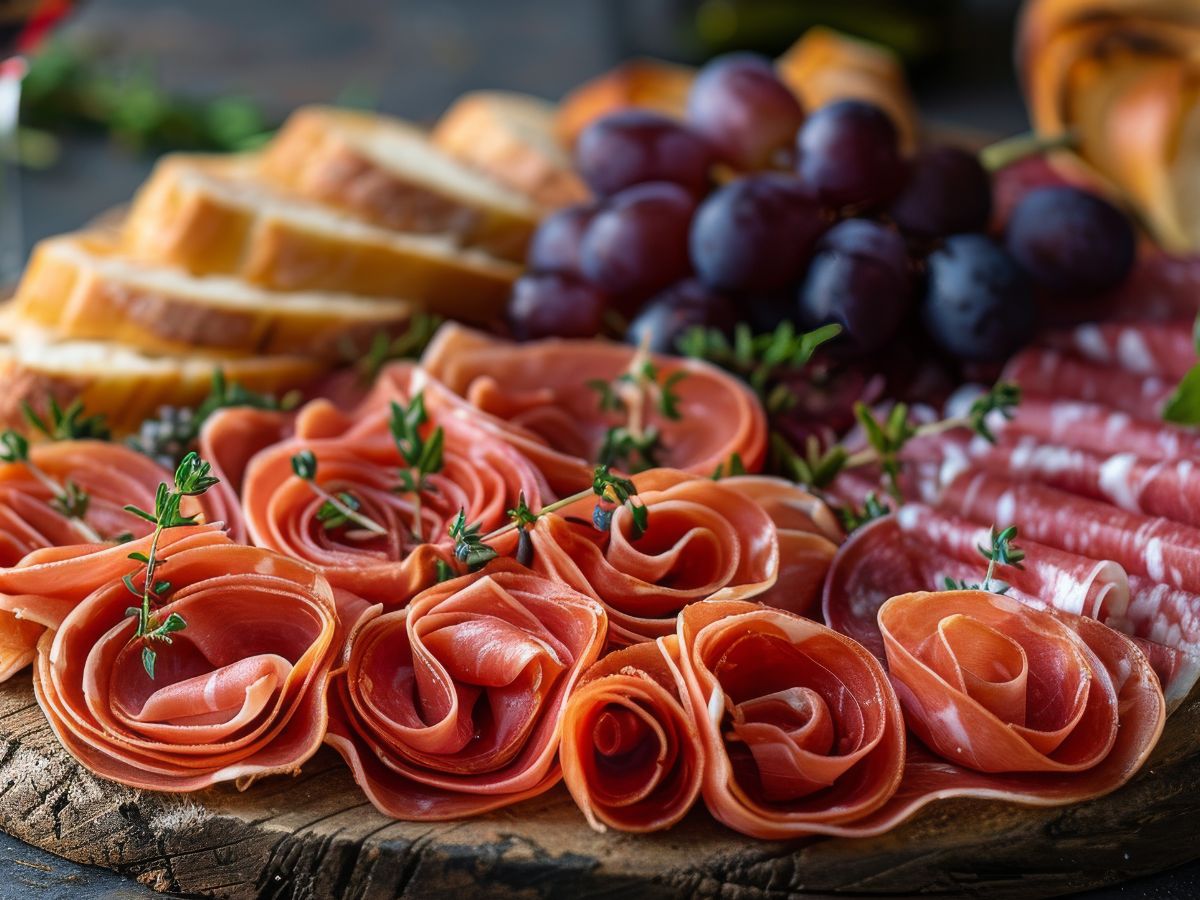
Two Charcuterie Board Ideas to Build
These two boards are designed around versatile wines. The first is a classic mixed board built for sparkling wine or rose. The second is a lighter, summery board that a chilled Gamay will love. Neither requires any cooking, just smart shopping and arranging.
 Recipe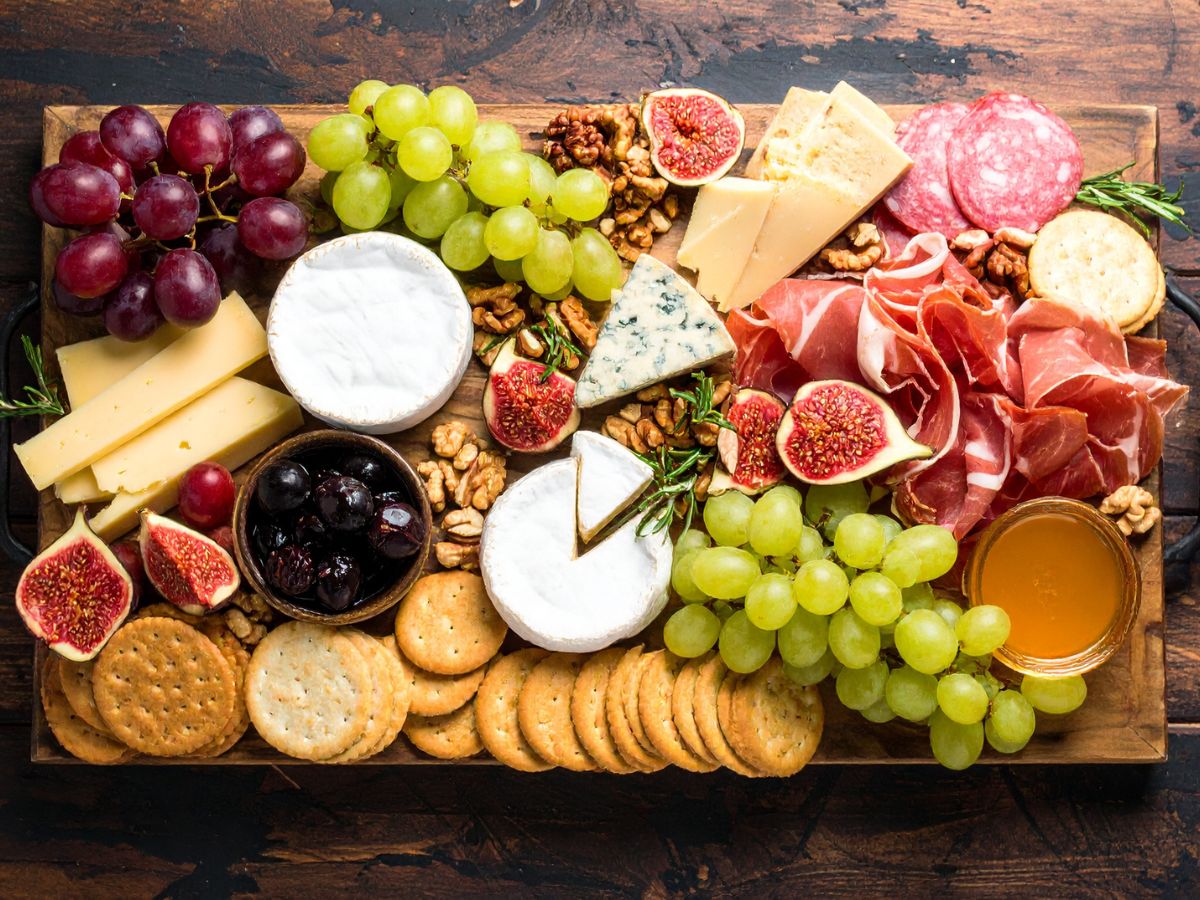
A Classic Mixed Charcuterie Board
A crowd-pleasing board built for sparkling wine or dry rose.
Ingredients
- Sliced prosciutto, salami and a cured sausage
- A soft cheese (Brie), a hard cheese (aged Gouda) and a blue
- A small bowl of pate
- Cornichons and grainy mustard
- Marcona almonds and olives
- Fresh grapes and dried apricots
- A baguette and crackers
Method
- Bring the cheeses to room temperature for about 30 minutes.
- Arrange the cheeses spaced apart, then fold and fan the cured meats between them.
- Fill in with the pate, pickles, mustard, nuts and olives in small bowls or piles.
- Tuck fresh and dried fruit into the gaps for color and sweetness.
- Add bread and crackers, and serve with sparkling wine or rose.
Pour it with: Sparkling wine or a dry rose.
Recipe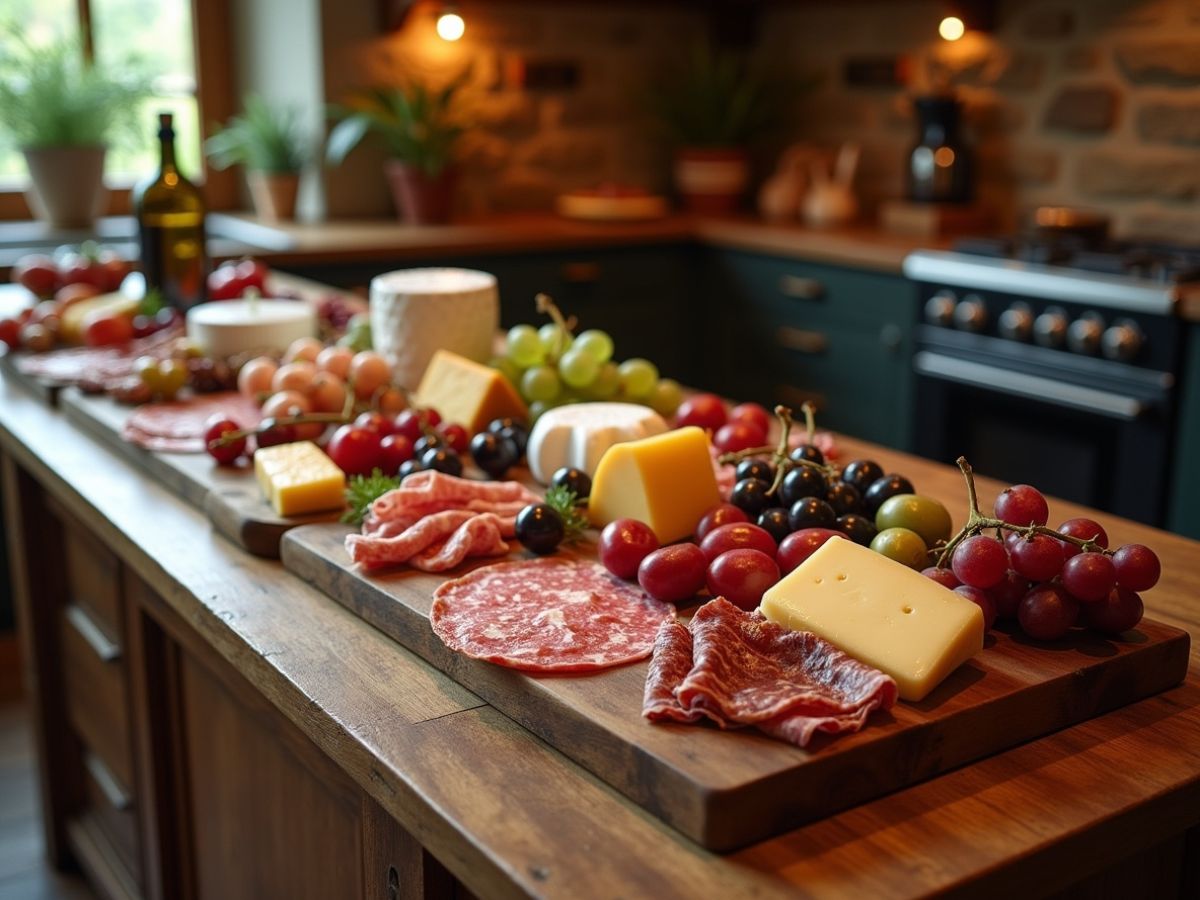
A Summery Charcuterie Board
A lighter, fruit-forward board that a chilled Gamay will love.
Ingredients
- Thinly sliced prosciutto and bresaola
- A fresh goat cheese and a young Cheddar
- Fresh figs, melon and cherries
- Marinated artichokes and olives
- Toasted baguette slices
- Honey and a handful of walnuts
Method
- Let the cheeses sit at room temperature briefly.
- Drape the cured meats loosely across a board or platter.
- Add the cheeses and surround with fresh fruit.
- Tuck in the artichokes, olives, walnuts and a small pot of honey.
- Serve with toasted baguette and a lightly chilled red.
Pour it with: A lightly chilled Gamay.
Frequently Asked Questions
What is the best wine for a charcuterie board?
Sparkling wine is the best all-round choice, as its bubbles and acidity cut through the salt and fat of everything on the board. A dry rose is nearly as versatile, and light, chilled reds like Gamay and Pinot Noir flatter the cured meats.
What wine goes with cured meats?
Light, fruity, low-tannin reds like Gamay and Pinot Noir, served with a slight chill, are ideal for salty cured meats such as salami and prosciutto. A dry rose or sparkling wine also works very well.
Should you avoid tannic red wine with charcuterie?
Yes, generally. Salt makes tannin taste harsher and more bitter, so a big, tannic red like Cabernet Sauvignon can clash with salty cured meats. Reach for lighter reds, rose or sparkling instead.
What wine goes with pate?
An off-dry Riesling is a clever match for rich pate and terrines. Its gentle sweetness balances the richness while its high acidity keeps the pairing fresh. A sparkling wine also works.
Is rose good with a charcuterie board?
Yes, a dry rose is one of the most versatile wines for a charcuterie board. It has the acidity to handle salt and fat and enough fruit to flatter meats, cheeses and pickles all at once.
Sources and further reading
- Comite Champagne, on sparkling wine with salty, rich food
- Inter Beaujolais, on Gamay with charcuterie