 ★ Top rated 4 hours 📍 Langhe Roero and Monferrato
 Nebbiolo at a Glance
Common Flavors
- Fruit
- Earth & Mineral Notes
- Additional Complexities
Structure
- Body Full
- Sugar Dry
- Tannins High
- Alcohol High (12.5% - 15.0% ABV)
- Finish Medium-Long
Food Pairings
- Meat & Poultry
- Sharp Cheeses & Rich Appetizers
The Shape of Nebbiolo
Each spoke runs from delicate (centre) to pronounced (edge). Tap a benchmark to lay a familiar grape over the top.
Nebbiolo
More About Nebbiolo
Editor's Note: Winetraveler is a reader-supported publication and this article may contain affiliate links. We review and recommend all products independently. When you buy wine through our site, we may earn a small commission at no cost to you.
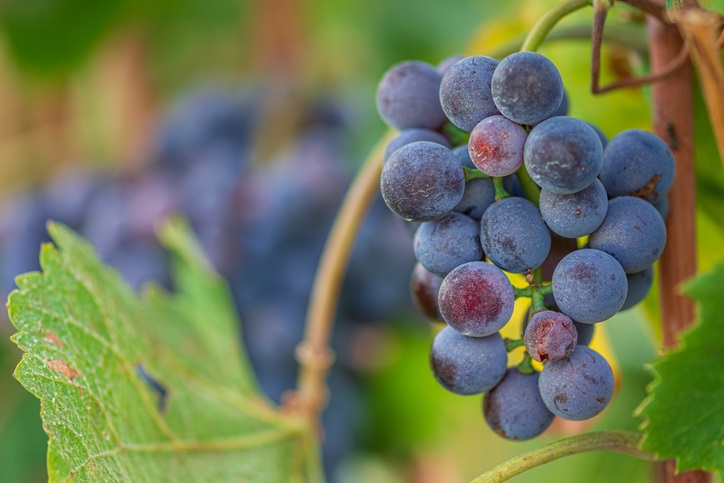
Nebbiolo is a thin-skinned red grape, mostly known for, but not limited to its production in Piedmont, which is in Northwestern Italy. Its name is derived from the Italian word for fog, nebbia. Generally speaking, Nebbiolo is known for its high tannins, high acidity, and its aromas of red cherries, tar and rose pedals.
Like all grapes, terroir is one of the largest factors when it comes to the expression of the grape along with the producer’s production style. These two elements are what make and differentiate how the Nebbiolo grape is expressed in the wine.
IN THIS GUIDE:
- Taste
- Pairings
- Terroir
- Aging
- Wine Recommendations
- ...and more
What Does Nebbiolo Taste Like?
Nebbiolo produces surprisingly complex red wines with seemingly disparate notes that come together to form a beautiful whole. Fruit notes include red currant, cassis, black cherry, raspberry, strawberry, and cranberry - in other words, brighter, more high-toned berry notes. Those are balanced out by secondary notes of forest floor, limestone, cracked spice, violet, rose, tar, balsamic, and truffle.
Nebbiolo Food Pairings
Nebbiolo wines make for fun and relatively easy pairing partners alongside a variety of foods. High tannins, acids, and loads of complexity mean that these wines pair well with dishes that are equally as rich and decadent.
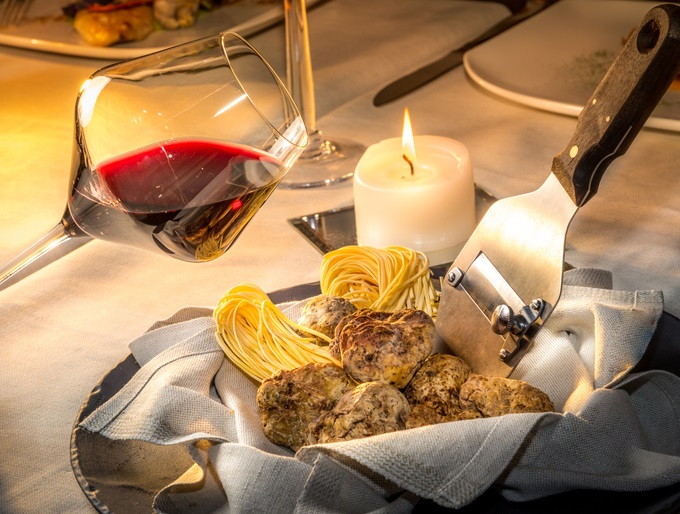
Consider big-flavored meats and poultry, roasted veggies, and game. Try out porcini-crusted beef tenderloin with truffle butter sauce. Equally as tasty and perhaps a great side dish is a risotto with garlic and Parmesan. Or, spice it up a notch with jalapeño poppers and chimichurri skirt steak.
Look for sharp cheeses and slabs of Parmesan with ground black pepper & butter steak bites.
For those in the mood for shellfish or something lighter, blue crab and corn fritters with chipotle aioli are a match made in heaven.
For vegetarian dishes, focus on the mushroomy notes and pair Nebbiolo with rich, creamy mushroom-based dishes.
RELATED: Learn About More Interesting Plant-Based Food and Wine Pairings
Climate and Terroir for Nebbiolo
Barolo & Barbaresco: King & Queen of Nebbiolo
The King and Queen of Nebbiolo are located in the Langhe region in Piedmont. Both are always 100% Nebbiolo, with the king being Barolo and the queen being Barbaresco. Just like you imagined, Barolo is the powerhouse with more tannin and structure, while Barbaresco is slightly lighter in tannin and more elegant in style.
Within these styles, there are two trains of thought when it comes to production. Some producers like to produce a more traditional style, which involves longer maceration times for more extraction from the skins and aging to take place in large Botti (large Slovenian oak barrels). These wines need much more time in the cellar before they will be ready to drink.
The other style comes from the modernist producers. These wines use shorter maceration times and will incorporate the use of Barriques (small French oak barrels). The idea behind these wines is to be ready to drink at a younger age. There is an argument for both styles, and we believe there to be a place in the market for both.
RELATED: Trending Destinations to Visit in Italy This Year
Other Nebbiolo Growing Regions
Also located in the Langhe, you can find a more approachable expression — Langhe Nebbiolo — meaning the grapes can come from anywhere in the Langhe region. These wines are lighter in style with brighter fruit, less tannin, and are significantly less expensive. These wines are typically made from the younger Nebbiolo vines.
Moving to the North is an area that’s been gaining popularity over the years — Alto Piemonte. In this area you will find the communes of Gattinara, Lessona, Bramaterra, Ghemme, Boca, Fara and Sizzano. All produce wines typically with higher acidity that are very age-worthy. These wines are typically blended with Croatina, Vespolina, and Uva Rara. Nebbiolo here is known locally as Spanna.
Moving even more North and West bordering Valle d’ Aosta you’ll find Carema – a light and dry Nebbiolo wine with high acidity. Its appellation is very small but definitely worth checking out.
Valtellina in Lombardy is another wonderful area for the production of Nebbiolo, boasting a rich and aromatic style with a nice structure and elegance. There are other areas in Italy that produce Nebbiolo but we find these to be the most important ones to focus on, for the moment.
How is Nebbiolo Aged?
Due to the high acid and tannins, Nebbiolo can age for decades. In fact, these wines are notoriously unapproachable when young because the acids and tannins have not yet settled in. Because of Nebbiolo’s unique flavor profile, oak treatments are usually neutral as to not impart any toasty notes.
As Nebbiolo wines age, the color can fade to a tawny orange and the leather-licorice notes become more pronounced. It’s definitely one of the more fascinating grapes to age because Nebbiolo constantly evolves over time.
Try any of these delicious Nebbiolo wines from around the world:
- Paolo Scavino, ‘Rocche dell’Annunziata Riserva,’ Barolo, Piedmont, Italy
- Produttori del Barbaresco, Barbaresco, Piedmont, Italy
- Bruno Giacosa, ‘Valmaggiore,’ Alba, Piedmont, Italy
- Gironata, Luna Matta Vineyard, Paso Robles, Central Coast, California
- Bodega Pablo Fallabrino, ‘Notos,’ Uruguay
- Las Nubes, Gran Riserva, Valle de Guadalupe, Mexico
Learn About These Other Wine Grape Varieties
An expert in all things wine and cocktails, Jared Gelband is the Wine and Beverage Director for Italian Village Restaurants, overseeing the award-winning wine cellar with over 20,000 bottles. After working as a server at Del Frisco’s Double Eagle Steakhouse, Jared quickly discovered his passion for wine and went on to pursue his Level 1 Certification with the Court Of Master Sommeliers. He spent nearly two years as a Sommelier at Eno Wine Bar before joining Italian Village Restaurants in 2016. In addition to handling wine purchases for all three restaurants, creating and crafting new cocktails, and teaching weekly wine classes for employees, Jared also focuses on developing specials and programs including a newly launched Coravin program, summer Rosé program, and more. At Italian Village, his philosophy revolves around variety, integrity and staying ahead of current trends across the U.S. and Italy. When he’s not drinking or working with wine, Jared enjoys snowboarding, golfing, traveling and exploring Chicago’s culinary scene.
Where It Grows
Taste Nebbiolo at the Source
Nebbiolo is tied to a handful of regions. Explore each as a travel destination — with wineries, tours and guides.
Editor’s spotlight
Featured Winery · Nebbiolo
Castelveder
★ 4.6
Last Updated on April 3, 2023. We will be happy to receive you in our winery and explain the method of production of the famous Franciacorta DOCG. Castelveder cellar, dug in white majolica, is located ...
Explore Castelveder →Visit
Browse all →
Wineries Known for Nebbiolo
Estates specializing in Nebbiolo, open for tastings.
Castelveder
★ 4.6 · Monticelli Brusati BS
Round Peak Vineyards
★ 4.6 · Mount Airy
Mosby Winery & Vineyards
★ 4.6 · Buellton
Gomba Cascina Boschetti
★ 4.4 · Barolo
Ca del Bosco
★ 4.4
Chateau Elan Winery & Resort
★ 4.4 · Braselton
Barboursville Vineyards
★ 4.3 · Barboursville
Michele Chiarlo Azienda Vitivinicola
★ 4.3 · Calamandrana
Book It
Tours Featuring Nebbiolo
Bookable experiences in Nebbiolo's home regions.
★ Top rated 4 hours 📍 Langhe Roero and Monferrato
★ Top rated 7 hours 📍 Asti Authentic Piedmont small producers wine tour with a Sommelier
🕑 Full-day
★ Top rated 3 hours 📍 Cinque Terre Heroic : Vineyard Trekking & Authentic Wine Tasting in Vernazza
🕑 Morning
★ Top rated 8 hours 📍 Langhe Roero and Monferrato Private Barolo Wine Tour with Winemaker
🕑 Full-day
★ Top rated 3 hours 30 minutes 📍 La Spezia La Spezia: Sunset aperitif with dinner on the boat
🕑 Morning
★ Top rated 9 hours 📍 Turin Langhe Wine & Food Tour from Turin: Barolo and More
🕑 Full-day
Nebbiolo: Frequently Asked Questions
What does Nebbiolo taste like?
Nebbiolo is prized for its paradox: pale color but powerful structure. It offers aromas of cherry, dried rose, tar, violet, and anise, plus leather and truffle with age. High tannins and bright acidity give firm structure, evolving toward dried fruit and forest-floor complexity.
Is Nebbiolo sweet or dry?
Nebbiolo is a dry red wine. It carries no residual sugar and instead impresses with grippy tannins, high acidity, and savory, floral, earthy flavors. Its perfumed aromatics of rose and cherry may suggest richness, but the palate is firmly dry and structured.
What foods pair with Nebbiolo?
Nebbiolo's high tannin and acidity call for rich, fatty foods. Classic Piedmontese pairings include braised beef (brasato al Barolo), truffle dishes, risotto, mushroom-based plates, and aged cheeses. Game, lamb, and hearty meat ragùs also stand up beautifully to its firm structure.
What wines are made from Nebbiolo?
Nebbiolo produces Italy's most prestigious reds, most famously Barolo and Barbaresco in Piedmont, both age-worthy DOCG wines. It also makes Roero, Gattinara, Ghemme, and the lighter reds of Valtellina (where it's called Chiavennasca). Rosé and sparkling versions are rare exceptions.
Where is Nebbiolo grown?
Nebbiolo is intimately tied to Piedmont in northwest Italy, especially the Langhe hills around Barolo and Barbaresco, plus northern Piedmont and Lombardy's Valtellina. Notoriously site-sensitive, it struggles elsewhere, though small successful plantings exist in California, Washington, and Australia.
How should I serve Nebbiolo?
Serve Nebbiolo at 60-65°F in large Burgundy-style glasses to capture its aromatics. Decant young Barolo and Barbaresco for one to three hours to soften firm tannins. These wines reward cellaring for a decade or more, developing extraordinary complexity over time.