 ★ Top rated 4 hours 📍 Langhe Roero and Monferrato
 Barbera at a Glance
Common Flavors
- Old World
- New World
Structure
- Body Light - Medium
- Sugar Dry
- Acid High
- Alcohol Medium
- Tannins Medium-Minus
Food Pairings
- Grilled Meats
- Chicken Marsala
- Pork
- Duck
- Truffles
- Mushrooms
The Shape of Barbera
Each spoke runs from delicate (centre) to pronounced (edge). Tap a benchmark to lay a familiar grape over the top.
Barbera
More About Barbera
Editor's Note: Winetraveler is a reader-supported publication and this article may contain affiliate links. We review and recommend all products independently. When you buy wine through our site, we may earn a small commission at no cost to you.
As the third most-planted red grape in Italy, Barbera is known for its deep color, full body and low tannin. It is traditionally grown in Northern Italy, along the low slopes and valleys of the region. If not regularly pruned, the vines can produce high amounts of grapes, making it a more affordable wine to both grow and drink. If you’re a fan of Nebbiolo or Chianti, Barbera is a classic Italian alternative to sample.
IN THIS GUIDE:
- Taste
- Terroir
- Wines to Try
- ...and more
Barbera Tasting Notes
The centuries-old vines that have grown in Northern Italy since the 1200s produce intense wines with notes of black cherry, plum, blackberry, violet, dried leaves, vanilla and baking spices. They are often light and fruit-forward, meant for immediate consumption rather than aging.
In the New World, Barbera is often juicier and fruitier, with notes of cherry, raspberry, blueberry, and blackberry, with just hints of the baking spice. Barbera is high acid and low tannin, making it an approachable red wine that goes well with food.
Wine Growing Regions for Barbera
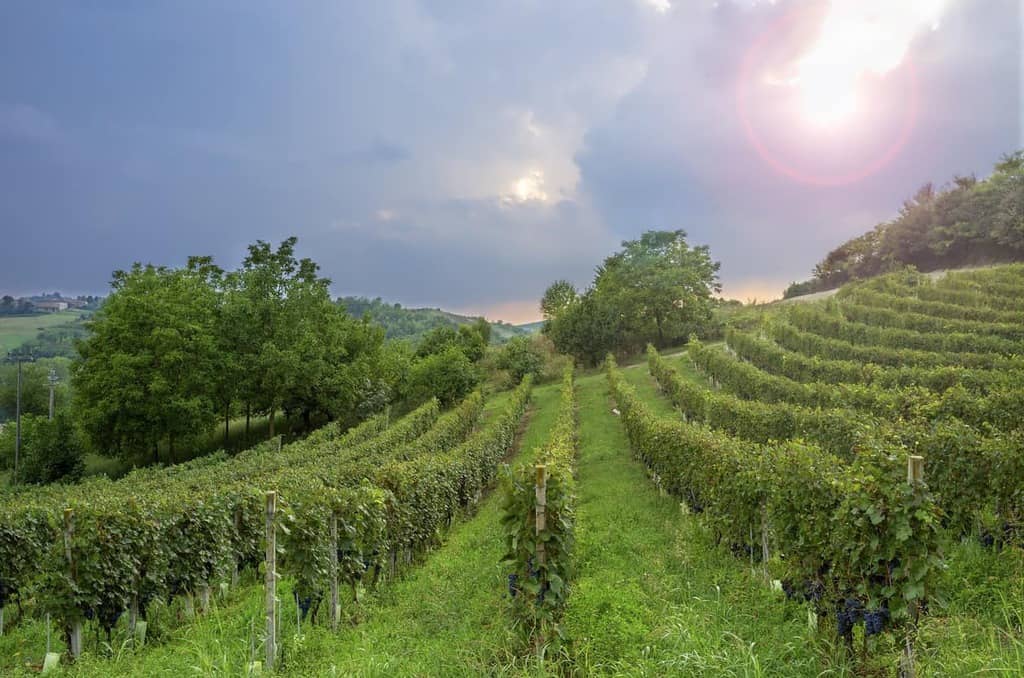
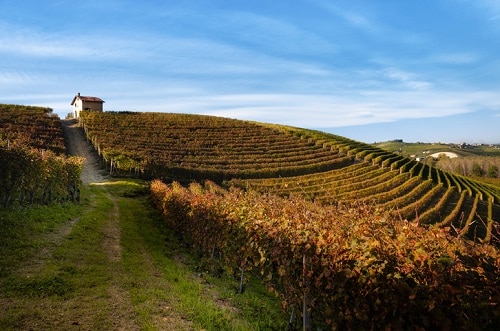
The best known region for Barbera is the Denominzione di Origine e Garantita (DOCG) Barbera d’Asti in the Piedmont region of Northern Italy. Barbera originated in this region in the 13th century and continues to flourish there.
The Piedmont region is often lauded as being one of the best wine regions in the world--the cold winds from the Alps and warming breezes of the Mediterranean keep it at the right temperatures and vines planted high on the hills get the added benefit of high levels of sunshine. Sadly, those higher hills are often reserved for Nebbiolo, and Barbera gets the lower ones. Despite this, Barbera does well in this area and produces intensely fruity and acidic wines that are more affordable than Nebbiolo.
While Barbera is famous in Italy, as larger groups of Italians began immigrating to the New World in the 19th and 20th century, they took the grape with them and began planting it in Argentina and California. It’s often used in blends, providing intense color and high acid to the cuvee.
Amador County in California in particular is becoming known for their Barbera, and they now celebrate the grape at an annual festival. You can find large plantings in the California’s Central Valley and Santa Barbara, McLaren Vale and Adelaide Hills, Australia, and Argentina’s San Juan and Mendoza regions. These New World Barbera's are fruitier and more full-bodied than their Old World counterparts, benefiting from the intense heat, particularly in Argentina. You can also find Barbera in other regions, though they are often limited in production. These regions include Washington State, Oregon, Arizona, and the Finger Lakes.
Barbera Wines to Try
- Giacomo Bologna's Bricco dell'Uccellone Barbera d’Asti: If you’re looking for a nuanced, high end Northern Italian version, this is it. This winemaker is not treating Barbera like a lesser grape than Nebbiolo, but rather is making it the star. If you want to see the true potential of this grape, check out this wine.
- Michele Chiarlo Cipressi and Oddero Barbera d’Alba provide a more affordable Piedmont Barbera that will give you the same nuance at a lower price.
- Terra d’Oro is a great winery to sample classic California Barbera. Their vintages vary from fruit forward and smooth to earthy and acidic.
- Clovely Estate was the first Australian winery to use Barbera and their old vines are producing complex and fruity versions of this varietal.
- Truro Vineyards is a total twist and surprise for this list. This Cape Cod winery (yes, Cape Cod), is producing a floral and spicy Barbera made using grapes from the Sierra Foothills but done to emphasize cooler climate notes.
Learn About These Other Grape Varieties
Kate Meyers Emery is a Finger Lakes wine evangelist, sharing the love and knowledge of her region through the classes she teaches and in her writing. She is the author of VinifeROC, a personal chronicle of her adventures in exploring the wines of New York, with a particular focus on Rochester and the Finger Lakes. Follow her wine adventures on Instagram at @kmeyersemery.
If you enjoyed this itinerary, consider joining the Winetraveler Facebook Group for additional insight and travel inspiration around the world. You can also pre-register for the Winetraveler Wine Club to receive unique wines and itinerary suggestions to your door.
Where It Grows
Taste Barbera at the Source
Barbera is tied to a handful of regions. Explore each as a travel destination — with wineries, tours and guides.
Editor’s spotlight
Featured Winery · Barbera
Jeff Runquist Wines
★ 4.6
Last Updated on May 20, 2024. Jeff Runquist Wines is a small producer of single vineyard designated red table wines from throughout California. Most of his wines are produced in limited quantities and all of ...
Explore Jeff Runquist Wines →Visit
Browse all →
Wineries Known for Barbera
Estates specializing in Barbera, open for tastings.
Book It
Tours Featuring Barbera
Bookable experiences in Barbera's home regions.
★ Top rated 4 hours 📍 Langhe Roero and Monferrato
★ Top rated 7 hours 📍 Asti Authentic Piedmont small producers wine tour with a Sommelier
🕑 Full-day
★ Top rated 3 hours 📍 Cinque Terre Heroic : Vineyard Trekking & Authentic Wine Tasting in Vernazza
🕑 Morning
★ Top rated 8 hours 📍 Langhe Roero and Monferrato Private Barolo Wine Tour with Winemaker
🕑 Full-day
★ Top rated 3 hours 30 minutes 📍 La Spezia La Spezia: Sunset aperitif with dinner on the boat
🕑 Morning
★ Top rated 9 hours 📍 Turin Langhe Wine & Food Tour from Turin: Barolo and More
🕑 Full-day
Barbera: Frequently Asked Questions
What does Barbera taste like?
Barbera offers bright cherry and red plum flavors with subtle notes of dried herbs and licorice. Its signature is vibrant, mouthwatering acidity paired with soft, low tannins, giving a juicy, food-friendly character. Oak-aged versions add spice, vanilla, and richer dark-fruit depth.
Is Barbera sweet or dry?
Barbera is almost always made as a dry red wine. Its naturally high acidity gives a fresh, tart impression, but there is no residual sugar in typical bottlings. The lively acidity can make the fruit taste vivid, though the wine itself finishes crisp and dry.
What foods pair best with Barbera?
Barbera's high acidity and low tannins make it ideal with tomato-based dishes, pizza, lasagna, and rich pasta. It also pairs beautifully with cured meats, mushroom risotto, roasted poultry, and hard cheeses. The acidity cuts through fatty, savory foods and refreshes the palate.
How does Barbera compare to Sangiovese?
Both are high-acid Italian reds, but Barbera has notably softer, lower tannins than the firmer, more structured Sangiovese. Barbera tends toward juicier dark-cherry fruit, while Sangiovese shows more earthy, savory, and tannic grip. Barbera is generally rounder and more approachable young.
Where is Barbera grown?
Barbera originates in Piedmont, northwest Italy, where Barbera d'Asti and Barbera d'Alba are the most famous appellations. It is widely planted across Italy and has significant plantings in California, Argentina, and Australia, adapting well to warm climates while retaining its acidity.
How should I serve Barbera?
Serve Barbera slightly cool, around 60-64°F (16-18°C), to highlight its fresh acidity and fruit. Everyday versions need no decanting, but richer oak-aged bottlings benefit from 30 minutes of air. Use a medium-bowled red wine glass to concentrate the bright, cherry-driven aromatics.