
Wine is meant to be with food – that’s the point of it.
Cozy comfort dishes are rich, fatty, and often sweet-savory, so the wine's job is to reset the palate and echo the warmth: pick acidity and bubbles to cut cream and fried fat, and fruit-forward, moderate-tannin reds to complement roasted and braised flavors rather than fight them.
Comfort Food & Wine Pairings at a Glance
| Food | Recommended Wine | Why It Works |
|---|---|---|
| Baked mac & cheese | Unoaked Chardonnay or Champagne/sparkling | Acidity and CO2 bubbles scrub coating dairy fat off the palate; Chardonnay's body matches the richness without oak weight that clashes with cheese |
| Fried chicken | Brut sparkling (Champagne, Cava) or off-dry Riesling | Bubbles and high acid cut fried-batter grease and refresh between bites; Riesling's residual sugar balances salt and crust |
| Meatloaf (ketchup-glazed) | Zinfandel or Merlot | Zinfandel's ripe berry fruit and moderate tannin mirror the tomato-glaze sweetness; soft Merlot tannin binds the ground-beef proteins and fat |
| Beef stew / pot roast | Syrah/Shiraz or Côtes du Rhône (GSM) | Savory peppery Syrah echoes braised umami-rich meat; tannin grips the collagen-rich fat and dark fruit lifts the long-cooked flavors |
| Mashed potatoes (buttery) | Oaked Chardonnay | Buttery texture and toasty oak resonate with butter and cream; enough acidity underneath keeps the pairing from turning heavy |
| Grilled cheese & tomato soup | Sangiovese or Barbera | High natural acidity matches the tomato soup's acidity (so the wine isn't flat) while cutting the melted-cheese fat |
| Cheeseburger | Zinfandel or Cabernet Sauvignon | Cabernet's firm tannin is softened by burger fat and protein; Zinfandel's jammy fruit complements char and sweet-savory sauce |
| Pepperoni pizza | Sangiovese (Chianti) or Montepulciano | Bright acidity balances tomato sauce and cuts mozzarella grease; savory red fruit and spice echo the pepperoni and herbs |
| Lasagna | Sangiovese or Nebbiolo (Barbera as value) | Acidity handles the tomato-and-cheese layers while medium tannin and savory fruit stand up to rich meat ragù |
| Roast chicken | Chardonnay or Pinot Noir | Chardonnay's weight matches roasted white meat and crisp skin; light Pinot Noir has acidity and delicate fruit to suit chicken without overpowering it |
| Chili con carne | Zinfandel or Syrah | Fruit-forward, low-to-moderate tannin reds tame chili heat (high tannin amplifies burn); ripe fruit complements cumin, tomato and slow-cooked beef |
| Shepherd's pie | Syrah or Malbec | Earthy dark-fruited reds echo lamb/beef and gravy; supple tannin cuts the mashed-potato butter and meaty richness underneath |
~ Julia Child
Wine is to food what bees are to a garden, and according to Julia, is a necessity. Yet the science of pairing food and wine can be something of a dry read for most of us. With comfort foods, acids and fats and salt can get tangled up in your taste buds and mess with your flavor compass. While the best adventures are often found in exploration, there are some easy-to-follow basics to help you achieve good results.
If you go back to the Greeks and Romans, they talk about all three – wine, food, and art – as a way of enhancing life. ~ Robert Mondavi
When wine was more sanitary than water it was a regular part of our diets, although with less focus on molecular matching. Food and wine were regional, making for fewer unpleasant pairings. Sangiovese was drunk with cured local meats and Côtes-du-Rhône went well with rabbit stew. Simple, right? Add today’s global village to the equation, layer on an international cellar at most liquor retailers and top it off with our expanding culinary options in grocers or at restaurants, and flavor matching can quickly become a recipe for confusion.
Food and wine. Decide which is the soloist, which is the accompanist. ~ Michael Broadbent
Food and Wine Pairing Basics
The chemistry gets complicated but there are simple guidelines to consider when wine and food pairing – comfort or otherwise. And it’s important to decide which of the two will take center stage on your table. Is it a special bottle and you’re looking for food to showcase the wine’s best attributes? Or maybe that comfort food fix comes first. Choose who will lead this culinary foxtrot and get familiar with some of the pairing basics.
Acid: whatever level of acidity is in your food, the wine should always have more – watch for hidden acids like vinegar/vinaigrettes, citrus in dressings, and fruits.
Sweetness: forget what you might have heard about ‘red wine and chocolate’ and remember that the wine should be sweeter than what you’re eating – think late harvest or icewines with desserts, or fortified wines.
Flavor & Intensity: if wine and food is an orchestra, all the instruments need to be heard – a quiet violin Pinot Noir can be easily overwhelmed by a robust roast, so find a wine with more persistence (or a bolder Pinot).
- Big reds love bold (or gamey) meats: there’s a reason lamb and Shiraz like to spend quality time together.
- White wines adore subtlety: there are no tannins to cut through that big flavor profile, so white wines like to play on their more subtle nuances.
Bitter is better with fat: tannins in red wines can at times translate to bitterness and a nice helping of fat can smooth harsher edges – this is part of why bigger reds do well with those juicy steaks.
Get saucy: focus on the flavors in the sauce to guide your wine selection – a buttery sauce on that salmon might benefit from a rich Chardonnay, and the spicy zip of a curry will welcome a lower alcohol off-dry Gewürztraminer.
Opposites attract: if you’re not sure just how buttery that sauce is, try something to cut through the fat – like a higher-acid white, rosé, or sparkling wine.
Remember the alcohol: part of the weight and intensity equation, alcohol can be sneaky in a well-balanced wine; that boozy warmer climate Viognier might not fit your filet of sole, but could fare well with a hefty risotto.
When I pair food and wine, I start with the food.
If I have a beautiful roasted bird, I might choose a Cabernet or Pinot Noir, or maybe a Syrah, depending on the sauce and what is in my cellar. ~ Jacques Pepin
Comfort Food Favorites: Wines To Pair with Various Dishes
Macaroni and cheese
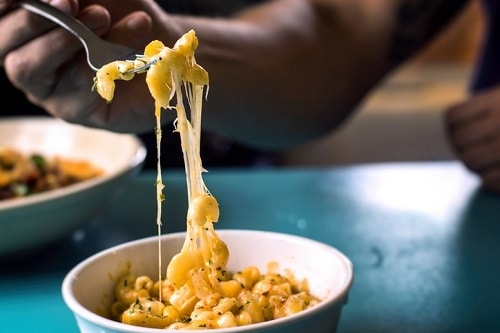
A cool weather comfort classic, and not the out-of-the-box kind but that bubbling melted gruyère and nostrala/fontina dish. Choose a higher acid, off-dry Riesling or Grüner Veltliner from Austria, Germany, or British Columbia (Canada); rosé (Cabernet Franc or Pinot Noir) from a cool climate like the Pacific Northwest (Washington) or Eastern Canada/US (Ontario/Finger Lakes); try a traditional method sparkling wine because you can.
Classic: Austrian Grüner
Adventurous: Crémant de Bourgogne
Risottos
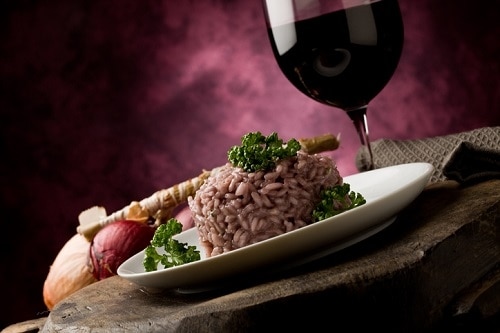
Earthy with mushrooms and creamy from cheeses, homemade risotto is like getting a warm hug on a cold day. Depending on what you choose (or don’t choose) to add, you have some flexibility. Bring on the lighter-bodied red wines, like a Pinot Noir or Gamay; if white wine is in the house choose a Chardonnay or Chablis (because everyone should have a chard on hand), or that weightier Viognier.
Classic: Gamay
Adventurous: something orange (wine, that is)
RELATED: What Is Orange Wine? (It’s Not What You Think)
Pork Loin Roasts
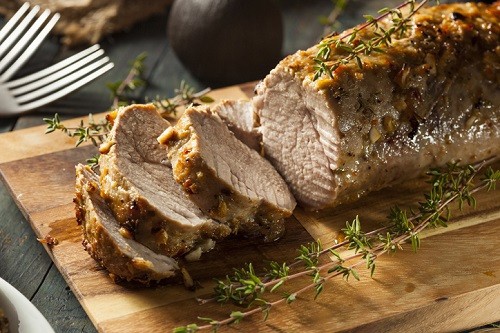
This classic loves the classics, and that means Burgundy is its best friend. Red or white. The fat can handle the acidity of Chenin Blanc or Riesling. And go back to that food intensity principle – the richer the dish (or sauce), the bolder the wine you can choose, like an herbaceous and earthy Cabernet Franc.
Classic: Finger Lakes Cabernet Franc
Adventurous: New World Chenin Blanc (bonus points if it’s sparkling)
RELATED: 9 Amazing Finger Lakes Wineries Producing Sparkling Wine in New York
Lasagnas
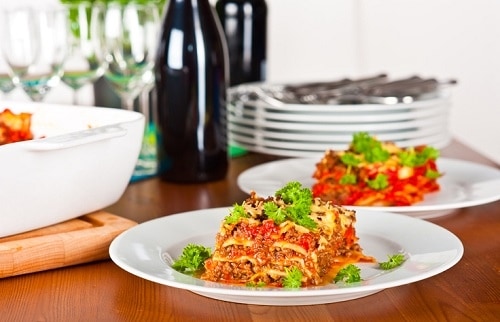
Meats and cheeses and that acidity from tomatoes, oh my. Treat lasagna like a meaty pasta and go Italy: Sangiovese, Chianti, Nebbiolo, Barbera. Head into the new world with Merlot or Cabernet Sauvignon. Remember the fresh mozzarella.
Classic: Chianti
Adventurous: Nebbiolo
Hearty Stews
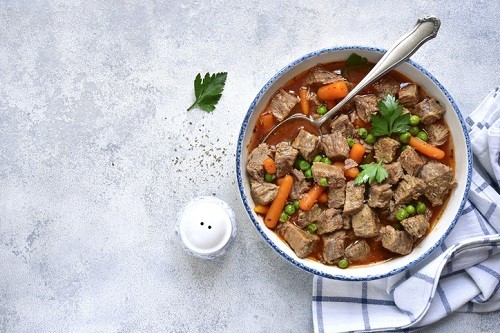
Because the protein in stews can vary wildly, think old-school local flavor matching. If your stew has a French flair, grab a bottle from a similar region. Spanish flavors call for Rioja. Or match the protein intensity with the wine intensity. Richer meats can handle a robust red from Argentina and lamb calls for Syrah/Shiraz.
Classic: Rioja
Adventurous: British Columbia Syrah
RELATED: A Guide to Rioja Spain’s Wines and Sub-Regions
Like the theater, offering food and hospitality to people is a matter of showmanship, and no matter how simple the performance, unless you do it well, with love and originality, you have a flop on your hands. ~ James Beard
Still craving more? Be sure to also take a look at our in-depth pizza and wine pairing guide.
You are reading “How To Pair Wines with Cozy Comfort Foods” Back To Top
comfort food and wine pairing suggestions
[jetpack_subscription_form title=”Get Articles Like These Directly in Your Inbox!” subscribe_text=”Subscribe to Winetraveler and receive notifications when new articles are published. It’s free!” subscribe_button=”Sign Me Up!”]
How to Pair Comfort Food & Wine Pairings
- Lead with acidity: creamy, cheesy, fatty comfort food needs a high-acid wine to cut richness and reset the palate, or the dish feels heavy.
- Pair sparkling with anything fried: bubbles plus high acid mechanically scrub batter grease — why Champagne and Cava flatter fried chicken and fritters.
- Choose medium-bodied, moderate-tannin reds for braises and roasts: Syrah, Zinfandel, and Grenache have the fruit and structure to match slow-cooked meat.
- Go off-dry for tomato and sweet-savory glazes: a little residual sugar balances ketchup, BBQ sauce and tomato acidity so the wine isn't sour or thin.
- Match weight to weight: light dishes with lighter wines (roast chicken + Pinot Noir), hearty dishes with fuller wines (pot roast + Syrah).
- Keep it fruit-forward, not austere: cozy food wants generous ripe wines; go easy on tannin and alcohol with spicy dishes because both intensify chili heat.
Frequently Asked Questions
What wine goes best with mac and cheese?
Unoaked Chardonnay or a brut sparkling works best. Their acidity and, in sparkling, the bubbles cut through the coating dairy fat and reset your palate, while the wine's body matches the dish's richness without heavy oak that would clash with the cheese.
What red wine pairs with comfort food?
Fruit-forward, moderate-tannin reds like Zinfandel, Syrah, Merlot, and Sangiovese are ideal. They have enough acidity to cut richness and enough ripe fruit to complement roasted, braised, and tomato-based dishes without harsh tannin fighting the food.
Should comfort food wine be sweet or dry?
Mostly dry, but keep a slightly off-dry option handy. Dry acidic wines cut fat on creamy and fried dishes. A touch of residual sugar (off-dry Riesling, ripe Zinfandel) is better for tomato glazes and BBQ, where a bone-dry wine tastes sour.
What wine goes with fried chicken?
Sparkling wine is the classic match. The carbonation and high acidity slice through the greasy fried batter and refresh the palate. Off-dry Riesling is an excellent still alternative, since its slight sweetness balances the salt and crispy crust.
Why does acidity matter with rich food?
Acidity acts like a squeeze of lemon: it cleanses fat and cream from your palate so each bite tastes fresh again. A low-acid wine against a creamy or fried dish tastes flabby and heavy, while a high-acid wine keeps the pairing lively.
What wine pairs with chili or spicy comfort food?
Choose a fruit-forward red low-to-moderate in tannin and alcohol, such as Zinfandel or Grenache. High tannin and alcohol amplify chili burn, whereas ripe juicy fruit soothes the spice and complements cumin, tomato and slow-cooked beef.
Collect your Winetraveler passport — tap the regions & grapes you’ve tasted. Your stamps follow you across the whole site.
- Curious1 stamps
- Explorer3 stamps
- Connoisseur6 stamps
- Sommelier12 stamps
- Vigneron20 stamps
Your stamps are saved on this device.