
John Breymaier is a co-owner and sommelier at Friends Lake Inn in Chestertown, NY. Not only is his in-house restaurant recognized as one of the best in North America (DiRoNA) for its delectable New American/French-influenced cuisine, the wine cellar has also been honored as Best of Excellence by Wine Spectator magazine.
Spring calls for fresh, high-acid, lighter wines — Sauvignon Blanc, dry rosé, Grüner Veltliner and sparkling — to match green vegetables, herbs, spring lamb and lighter fare after winter's heavier reds.
Spring Wine Pairings at a Glance
| Food | Recommended Wine | Why It Works |
|---|---|---|
| Asparagus (grilled or steamed) | Grüner Veltliner, dry, unoaked | Grüner's white-pepper and green-herb notes echo asparagus's vegetal pyrazines; very high acid cuts the sulfurous compounds that make asparagus fight most wines |
| Fresh peas & mint | Sauvignon Blanc (Loire/Sancerre) | Sauvignon's grassy green-pea aroma mirrors the dish; bright acid lifts the sweetness of young peas |
| Spring greens salad with vinaigrette | Dry rosé (Provence) | Rosé's high acid matches the vinaigrette so the wine doesn't taste flat; light body won't bury delicate leaves |
| Artichokes | Dry Assyrtiko or high-acid Vermentino | Artichoke's cynarin makes most wines taste sweet/metallic; a bone-dry very high-acid white resists that distortion |
| Fava beans (with pecorino) | Verdicchio or unoaked Chardonnay | Nutty savory favas mirror Verdicchio's almond note; acidity balances the salty, fatty pecorino |
| Spring lamb (roasted, herb-crusted) | Pinot Noir or young Grenache | Lighter red tannins frame lamb's fat without overwhelming its delicacy; red-fruit and herbal notes complement rosemary/thyme |
| Radishes & fresh goat cheese | Sauvignon Blanc or Chenin Blanc | Searing acid slices the tangy lactic goat cheese; herbaceous notes echo the peppery radish |
| Morel mushrooms | Village-level red Burgundy (Pinot Noir) | Earthy umami morels resonate with Pinot's forest-floor character; moderate tannin and bright acid keep it light |
| Salmon (poached or grilled) | Dry rosé or lighter Pinot Noir | Rosé/light Pinot has enough body and red fruit for salmon's oiliness while acid cleanses the palate; avoids clashing tannin |
| Deviled eggs / brunch dishes | Brut sparkling (Champagne/Cava) | Bubbles and acidity scrub egg-yolk richness; effervescence refreshes between rich bites |
| Strawberries & rhubarb | Off-dry Riesling or Moscato d'Asti | Residual sugar matches the dessert's sweetness (a dry wine would taste sour); high acid mirrors tart rhubarb |
| Herb-roasted chicken | Unoaked Chardonnay or dry Riesling | Medium-bodied high-acid white matches chicken's mild richness; citrus and orchard-fruit notes lift spring herbs without oak clashing |
It features 25,000 bottles of wine from around the globe with a focus on French, Italian, and Napa, California. Here are his tips on food & wine pairings for spring, plus some insights on the Finger Lakes region and its varietals.
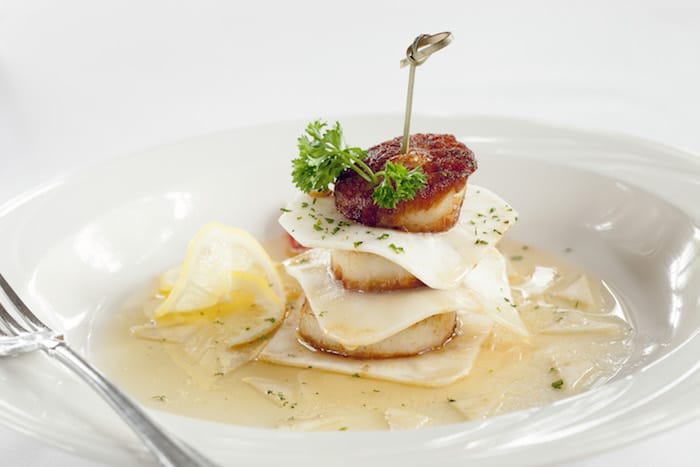
What are some basic rules of thumb for food & wine pairing with lighter dishes served in spring?
Lighter foods need wines that are lighter in body. Body is determined larger by three factors: oak aging, alcohol level, and tannins. Lighter wines are typically aged in stainless steel or concrete vats, and therefore don’t pick up extra body from tannins or other compounds found in oak barrels.
Look for wines with alcohol levels below 13.5%. Pinot Grigio, Sauvignon Blanc, Chenin Blanc, or Riesling are good examples of whites that work in this category. Finally, tannins add body to wine, so for light wines look for wines from grapes with fewer tannins. Most white wines fit this category, except for some Chardonnays and Sauvignon Blancs (especially Fumé Blanc) that spend some time in oak.
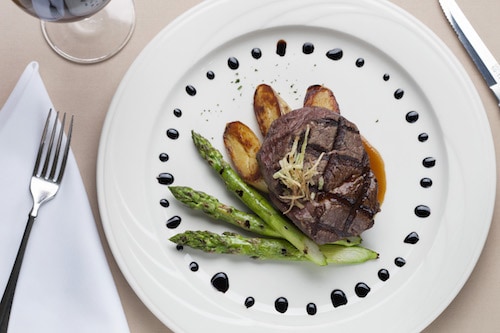
Some people lean toward more whites as the weather gets warmer, but there are plenty of light reds that are ideal during this time too. What are some of your favorites, and why?
Some of my favorite light reds are Beaujolais, Sangiovese, Pinot Noir, and Côtes Du Rhône. Why? Because they go great with the type of food you want to eat in spring. When I say Beaujolais I’m not talking about the Beaujolais Nouveau that you drink with Thanksgiving dinner. I’m talking about one of the Cru Level Beaujolais that despite its light body can age for as long as ten years in your cellar. This wine goes great with lunch meat platters or other types of charcuterie and is crisp and refreshing on a warm spring day.
Sangiovese is great with a light pasta sauce or pizza. The bright acidity pairs perfectly with tomato sauce, and it tastes like Italy!
Côtes Du Rhône is made in the Rhône region of France and is a typically a blend of Grenache, Syrah, and Mourvèdre, though other grape varieties are permitted. Côtes Du Rhône goes well with light dishes that contain beef, pork, game, duck, lamb, sausage, or veal.
Of course, Pinot Noir is probably the best known light red wine with low tannin and alcohol and red fruit flavors like raspberries and cranberries. Pinot Noir from Burgundy, France is more earth forward and is great with food, or you can choose Pinot from warmer climate like Sonoma, California for more fruit-forward styles. Either way, Pinot Noir goes great with light chicken or duck-centric dishes or other low fat proteins.
The inn offers exceptional food & wine experiences, including tasting dinners with some focus on the Finger Lakes. What inspires you about the region?
The Finger Lakes is best known for Riesling made in the German style. Its cold weather climate and proximity to moderating temperatures from the various lakes are a major reason for this fact. Above this point, the Finger Lakes has a growing reputation for other varietals that are unique in the wine world.
One is Vidal, which is made in either an ice wine or dry style. Another varietal is a red grape called Saperavi. Saperavi originally comes from the Republic of Georgia, a former Soviet State, and loves very cold climates. The wine made from Saperavi is full-bodied, soft on the palate with black fruit flavors, and has bright acidity. Saperavi pairs nicely with lamb dishes or other types of stews.
What is one of your favorite food & wine pairings for spring?
Lemon peppered salmon with seared asparagus paired with a Gruner Veltliner. Gruner Veltliner is a crisp white wine from Austria, like Sauvignon Blanc, with a characteristic flavor of white pepper.
Friends Lake Inn Restaurant Events in the Finger Lakes
Wine pairing dinners at Friends Inn take place September through June. The delectably themed four-course dinners are paired with four wines and are part of a package that includes a one-night stay for two in a cozy guest room; signature turndown service; and a full country breakfast for two in the morning. During the event, attendees enjoy a lively discussion with the inn’s owners and the winemakers of the selections featured.
Friends Lake Inn is also one one of many Bed & Breakfast’s in wine regions throughout the United States. Check them out if you’re looking to tour other AVAs and stay at unique wine-focused accommodation.
How to Pair Spring Wine Pairings
- Lighten up after winter: pivot from heavy reds to high-acid whites, dry rosé and sparkling that match spring's fresher dishes.
- Match green pyrazine notes: asparagus, peas and herbs share aromas with Sauvignon Blanc and Grüner Veltliner, so those wines mirror rather than fight the vegetables.
- Watch asparagus and artichokes: both distort wine (sulfur compounds; cynarin) — reach for very high-acid bone-dry whites and avoid oak and tannin.
- Spring lamb takes a lighter red: Pinot Noir or young Grenache so soft tannins frame the meat without burying its delicacy.
- Pour sparkling for brunch: bubbles and acidity cut eggs, pastry and cream.
- Mind sweetness in dessert: with strawberries and rhubarb, use an off-dry wine so it isn't left tasting sour against the sugar.
Frequently Asked Questions
What wine goes best with asparagus?
Grüner Veltliner or Sauvignon Blanc. Both carry green herbaceous pyrazine notes that echo asparagus, and their very high acidity cuts through the sulfurous compounds that make the vegetable clash with richer or oaked wines.
Why is asparagus so hard to pair with wine?
Asparagus contains sulfur compounds and a vegetal green flavor that make many wines taste metallic or off. A bone-dry, unoaked, high-acid white with matching herbal notes works best; oak and tannin make it worse.
What is the best wine for spring lamb?
A lighter red like Pinot Noir or a young Grenache. Their softer tannins frame the lamb's fat without overpowering its springtime delicacy, and red-fruit and herbal notes complement rosemary and thyme crusts.
Is rosé a good spring wine?
Yes. Dry rosé, especially from Provence, has the acidity to handle vinaigrettes and salmon, enough body for grilled fare, and a light, fresh profile that suits warmer weather and green-forward spring menus.
What wine pairs with artichokes?
A bone-dry, very high-acid white such as Assyrtiko or Vermentino. Artichokes contain cynarin, which makes most wines taste oddly sweet or metallic; a crisp, neutral, dry white resists that effect better than tannic or oaked wines.
What sparkling wine is best for spring brunch?
A Brut Champagne, Cava or Crémant. The bubbles and high acidity scrub away the richness of eggs, pastries and cream, refreshing the palate between bites and pairing cleanly with lighter brunch dishes.


Collect your Winetraveler passport — tap the regions & grapes you’ve tasted. Your stamps follow you across the whole site.
- Curious1 stamps
- Explorer3 stamps
- Connoisseur6 stamps
- Sommelier12 stamps
- Vigneron20 stamps
Your stamps are saved on this device.