 ★ Top rated 3 hours 30 minutes 📍 San Vicente de la Sonsierra
 Private Vineyards Tour in San Vicente de la Sonsierra
🕑 Morning

Malvasia is a white wine grape from Greece. Explore where to taste it, the wineries that specialize in it, and the tours that visit its home regions.
Each spoke runs from delicate (centre) to pronounced (edge). Tap a benchmark to lay a familiar grape over the top.
Malvasia is considered one of the most ancient grape varietals, but what IS it? Or maybe, the better question is, what ISN'T it? Malvasia has been around for so long that there are debates about whether or not it's a grape or a place. Its name is thought to be derived from the Greek port of Monemvasia, which in medieval times was a seaport primarily dedicated to wine export. In the 14th century when the Venetians ruled this region, they exported so much Malvasia that the name of the port was changed to Malvasia; even wine shops and taverns in Venice were called Malvasia.
Due to its popularity, Malvasia was traded rapidly and was soon grown and vinified not only in Monemvasia but also in Italy, Spain, Madeira, and on the Canary Islands. And much like the use of the name Champagne to universally denote all sparkling wine before 2006, all wines regardless of varietal source that imitated Malvasia's sweet flavor profile were named "Malvasia."
According to contemporary research, there are at least 18 different significant varietals with "Malvasia" in its primary name that aren't genetically related. It's also made in styles ranging from sparkling to passito and in all the colors of the wine rainbow. Plus, there are about 100 synonyms named differently within the individual countries and regions with different flavor profiles. It isn't surprising that there is so much confusion.
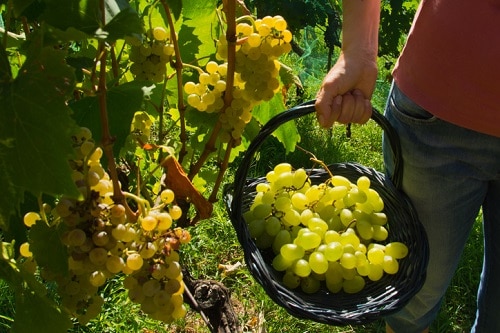
Nowadays, most Malvasia grapes vinified are white, and with so many sub-varieties, it’s hard to generalize a flavor profile. The better white wines are characterized by a bouquet of honeysuckle, jasmine, and tropical fruit with flavors of ripe pear, citrus, peach, honey, star anise, and Asian spices. These styles are typically light and crisp with mild tannins and low acidity. They are regularly blended with other wines to add aromatics and freshness, while sweet styles have aromas reminiscent of apricot, gooseberry, vanilla, butterscotch, and toasted almond with flavors of pineapple, caramel, and ginger and have a luscious, viscous beeswax texture.
The red (or black) varieties are characterized by a bouquet of dried roses, forest floor, Moroccan spice, orange peel with flavors of ripe plums, candied red currant, dark chocolate, baking spices, and black tea. They are light to medium-bodied, with medium tannins and medium acidity, almost always blended to other wines are a predominate grape in both Port and Madeira wines.
The most accessible Malvasia to US consumers is Mavasia di Bianca (aka Bianca di Piemonte) mainly grown in California. Producers of this varietal include Ballentine in Napa, Birichino in Monterey, Palmina in Santa Ynez Valley, Kenneth Volk, and Wild Horse in San Bernabe.
In Italy, it’s mostly cultivated in Lazio and is also found in Emilia-Romagna, Liguria, Tuscany, Campania, Umbria, and Sardinia. Malvasia is scarcely vinified on its own and largely mixed amongst many other wines throughout Italy. For example, it’s blended with Trebbiano to make Vin Santo and Sangiovese for the rosé style wine Occhio di Partridge. In Spain, it’s combined with Viura to make Lopez de Heredia’s opulent Viña Tondonia, and of course, it’s one of the main varietals used in the making of Madeira. And just like its many names, the number of wines that include Malvasia throughout the world is overwhelming.
Monemvasia Malvasia– Greece
Malvasia– USA
Malvasia – Italian
Malmsey – UK
Malvoisie – French
Malvagia – Spanish
Malvasier – German
Malvasijie – Croatian
Malvelzevec – Slovenian
Grapes with that have Malvasia in their name:
Malvasia Bianca di Basilicata (Basilicata)
Malvasia Bianca di Candia (Lazio, Emilia-Romagna)
Malvasia Bianca di Piemonte (California)
Malvasia Bianca Lunga (Toscana)
Malvasia Branca de São Jorge (Madeira)
Malvasia de Colares (Lisboa)
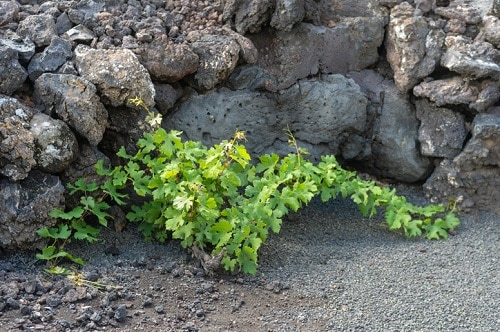
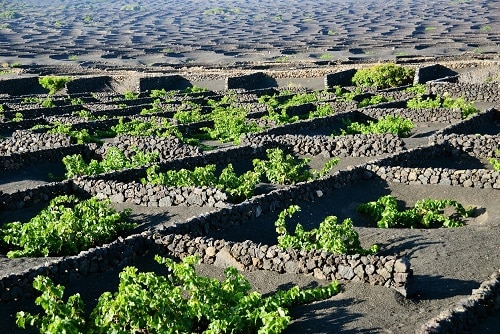
Malvasía de Lanzarote (Canary Islands)
Malvasia del Lazio (Lazio)
Malvasia di Candia Aromatica (Emilia-Romagna, Kríti)
Malvasia di Casorzo (Piemonte) – RED
Malvasia di Lipari (Italy, Portugal, Spain, Croatia)
Malvasia di Schierano (Piemonte) – RED
Malvasia Fina (Madeira)
Malvasia Nera di Basilicata (Basilicata) – RED
Malvasia Nera di Brindisi (Puglia) – RED
Malvasia Nera Lunga (Asti) – RED
Malvasia Preta (Douro) – RED
Malvazija Istarska (Croatia)
Learn About These Other Wine Grape Varieties
Jeff or “JB” is a native to the San Francisco Bay area and wants to live in a world where wine is served with every meal. As a beverage and food professional with more than 20 years of experience, he’s contributed to The Food Lover’s Guide to Wine; The Pho Cookbook (James Beard Award Best Signal Subject 2018); Unforgettable: The Bold Flavors of Paula Wolfert's Renegade Life (James Beard Award Lifetime Achievement Award 2018); Manresa: An Edible Reflection; Happiness is on the Plate: Episode #1; Wine Spectator; Wine Enthusiast; The Wall Street Journal; San Francisco Chronicle; and GQ Magazine. When he’s not “tasting” and eating he’s writing about food and beverage or developing recipes in his laboratory (AKA: kitchen).
Malvasia is tied to a handful of regions. Explore each as a travel destination — with wineries, tours and guides.
Audarya® looks to the tradition, with a new look, we make wines tied to the territory, with native grape varieties, but modern, for a spirited and curious public. ◆ From the Winetraveler community Been to ...
Explore Audarya →Estates specializing in Malvasia, open for tastings.
Bookable experiences in Malvasia's home regions.
★ Top rated 3 hours 30 minutes 📍 San Vicente de la Sonsierra
★ Top rated 6 hours 📍 Burgos
★ Top rated 5 hours 📍 Pamplona
6 hours 📍 Burgos
★ Top rated 8 to 9 hours 📍 Pamplona
★ Top rated 9 hours 📍 Pamplona Malvasia is an aromatic white grape offering flavors of apricot, peach, orange blossom, honeysuckle, and dried herbs, with a musky, floral perfume and often a touch of nuttiness. Styles vary widely, but a fragrant, sometimes waxy or honeyed character is a common thread.
Malvasia is made in both dry and sweet styles. Dry versions are aromatic and full-bodied with orchard-fruit and floral notes, while sweet examples, including fortified and passito wines, show rich honeyed, raisiny flavors. Historically Malvasia was famed for its luscious sweet Mediterranean wines.
Dry Malvasia pairs with seafood, roast chicken, aromatic dishes, and soft cheeses, its florality complementing herb-driven and lightly spiced fare. Sweet Malvasia suits desserts, dried fruit, nuts, and blue cheeses. Its perfumed character makes it a good match for Mediterranean and Middle Eastern cuisine.
Malvasia is actually a large family of related grapes making diverse wines: dry aromatic whites in Friuli and Croatia, sweet passito and fortified wines in Italy and Madeira (Malmsey), and a component in blends across the Mediterranean. Both still and sparkling versions exist.
Malvasia is grown across the Mediterranean and beyond, including Italy (Friuli, Lazio, Emilia-Romagna, the islands), Croatia's Istria, Portugal's Madeira, Spain, and Greece, where the name may have originated. It also appears in California and South America, reflecting its ancient, widespread history.
Serve dry Malvasia chilled, around 48-52°F, to capture its aromatic freshness. Sweet and fortified styles are best slightly cool, around 55°F, in small glasses as a dessert wine. Drink aromatic dry versions young; fortified Madeira Malmsey can last for decades.

Collect your Winetraveler passport — tap the regions & grapes you’ve tasted. Your stamps follow you across the whole site.
Your stamps are saved on this device.
